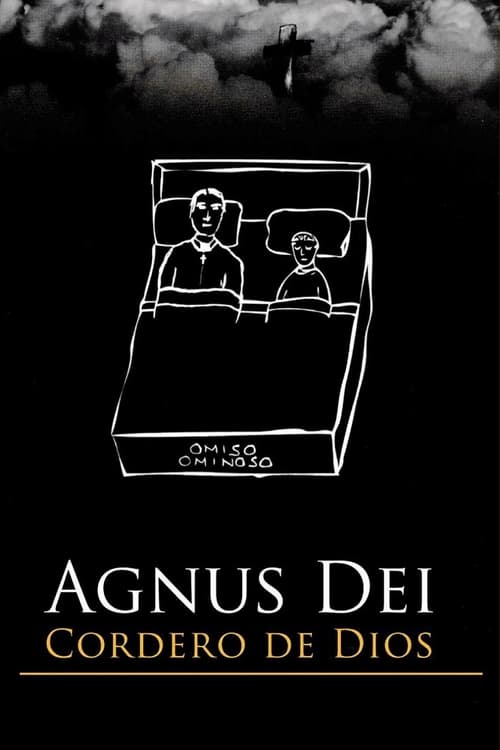
Agnus Dei: The Lamb of God
2011
No user ratings available yet
Representation score: 8.5 out of 10
Representation Score
Excellent
2012
TV-14Director
Alex Gibney
Runtime
106 minutes
Average Rating
No ratings yetNew Showbiz Analysis
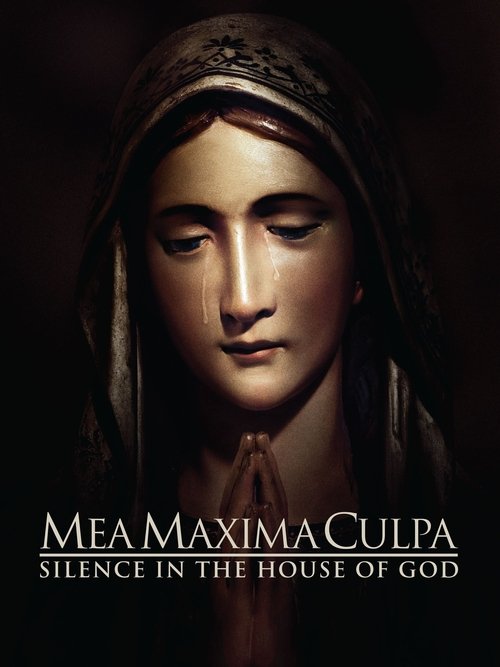
Alex Gibney’s documentary functions primarily as a sophisticated critique of institutional authority. It succeeds by deconstructing the power dynamics of the Catholic Church, prioritizing systemic justice over religious preservation. While the film does not heavily focus on traditional identity-based representation, its narrative structure is progressive. It effectively exposes how established hierarchies use authority to mask corruption and misconduct. The work is more concerned with the mechanics of institutional failure than with specific multi-layered lenses, resulting in a score that reflects its investigative depth rather than demographic breadth.
Category Breakdown
The film focuses on the systemic sexual abuse of minors rather than LGBTQ identities. It does not specifically address non-binary gender narratives, but it does critique traditional sexual morality within a religious context.
The documentary provides a strong critique of patriarchal structures. It breaks down the idea of a stable male leader by showing how masculine authority is used to maintain silence and complicity.
The film includes diverse representation, focusing on the mechanics of institutional power. Victims and perpetrators come from various backgrounds, but race is not used as a central lens for analyzing multiple aspects of identity.
The film excels in critiquing Western institutions by portraying the Catholic Church as a corrupt entity. It prioritizes investigative truth over religious dogma and traditional moral hierarchies.
The narrative touches on the psychological trauma and mental health consequences of abuse. Survivors are shown as agents of change and whistleblowers rather than subjects of inspiration porn.
Present on Screen
Limited or Absent
Official Synopsis
Alex Gibney explores the charged issue of pedophilia in the Catholic Church, following a trail from the first known protest against clerical sexual abuse in the United States and all way to the Vatican.
2011

2006
2008
2021
2004
2016

2019
2018
No reviews yet. Be the first to share your thoughts on this movie!
Use the rating form above to leave a star rating and optional review.