Playing Hide and Seek
2020
No user ratings available yet
Representation score: 7.0 out of 10
Representation Score
Excellent
2011
Director
Alejandra Sánchez
Runtime
84 minutes
Average Rating
No ratings yetNew Showbiz Analysis
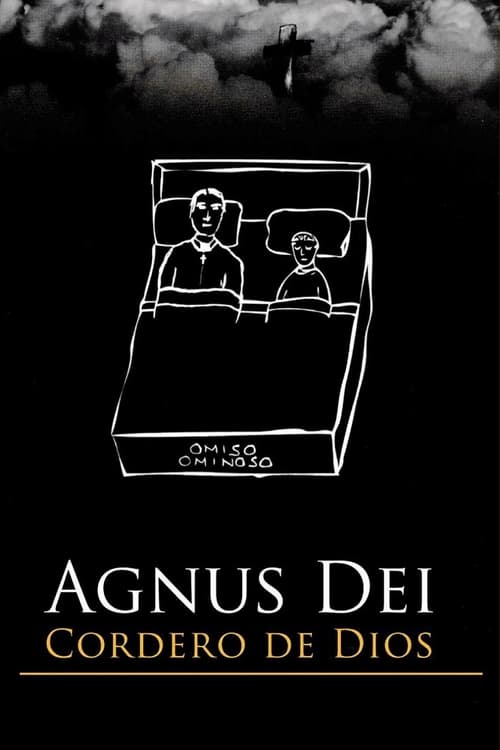
Agnus Dei: The Lamb of God is a provocative documentary that shifts the focus from religious institutions to the individual survivor. By centering on Jesús Romero’s journey, the film deconstructs the sanctity of the priesthood and exposes the structural protections that allow clerical abuse to persist. The film excels in its cultural critique, using personal testimony to challenge traditional power hierarchies and masculine archetypes within the clergy. While it provides a platform for discussing sensitive themes like trauma and systemic corruption, it remains focused on the mechanics of abuse and institutional impunity rather than broader identity politics.
Category Breakdown
The film examines the trauma caused by sexual abuse and focuses on the power dynamics within a strict institutional setting rather than celebrating LGBTQ identities.
By empowering a male survivor to challenge a male-dominated hierarchy, the film subverts traditional patriarchal structures. It also dismantles the archetype of the moral leader by revealing corruption among clerical leaders.
As a Spanish-language production, the film offers a non-Anglo-centric perspective on institutional corruption, focusing on a Latin American viewpoint.
The film portrays the Catholic Church as a system capable of protecting those who commit abuse, challenging its moral authority. It emphasizes individual truth over religious doctrine.
The documentary addresses the psychological trauma and long-term effects of abuse, highlighting the protagonist's significant role in pursuing justice despite his psychological struggles.
Present on Screen
Limited or Absent
Official Synopsis
Jesús was sexually abused by a priest when he was 11 years old. As an adult, he decided not only to denounce his aggressor, but also to find him and confront him. This is a story that reveals the impunity of the Catholic Church for acts of pederasty committed by some of its members, while Jesús Romero offers the testimony of his life.
2020

2006
2004

2021
2012

2019

2019
2012
No reviews yet. Be the first to share your thoughts on this movie!
Use the rating form above to leave a star rating and optional review.