After Innocence
2005
No user ratings available yet
Representation score: 8.5 out of 10
Representation Score
Limited
2012
Not RatedDirector
Joe Berlinger, Bruce Sinofsky
Runtime
121 minutes
Average Rating
No ratings yetNew Showbiz Analysis
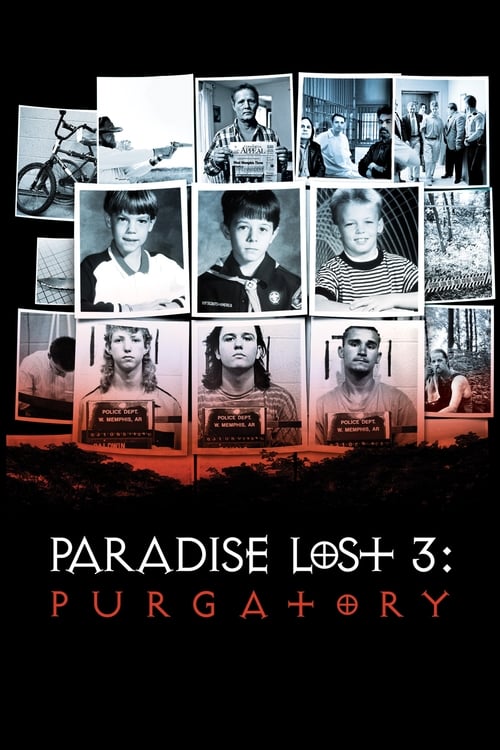
Paradise Lost 3: Purgatory is a focused critique of institutional power rather than a broad look at diverse demographics. It challenges the idea of the infallibility of the American judicial system by examining the West Memphis Three case. However, the film lacks diversity in personal identity representation. It is heavily male-centric and does not include LGBTQ+ perspectives, limiting its scope regarding social the way different parts of someone's identity overlap. Ultimately, the documentary’s strength lies in its cultural deconstruction of 'official' truths. It offers a deep, skeptical examination of how legal technicalities and state power shape human lives.
Category Breakdown
The documentary does not include any LGBTQ+ characters or stories. It focuses solely on the legal journeys of the main subjects and their families.
The film centers around male defendants and legal professionals. Female characters have minor roles and do not significantly challenge traditional gender roles.
The movie looks at how systemic biases and social hierarchies affect justice in Arkansas. While the main subjects are white, it explores issues of identity and legal vulnerability.
The film criticizes Western institutions by showing the flaws and biases in the judicial system. It questions the perceived infallibility of state authority and institutional truth.
There is no significant focus on visible or invisible disabilities. These elements are not part of the main narrative about legal proceedings.
Present on Screen
Limited or Absent
Official Synopsis
A further investigation into the arrest of three teenagers convicted of killing three young boys in Arkansas who spent nearly 20 years in prison before being released after new DNA evidence indicated they may be innocent.
2005
2015
2015
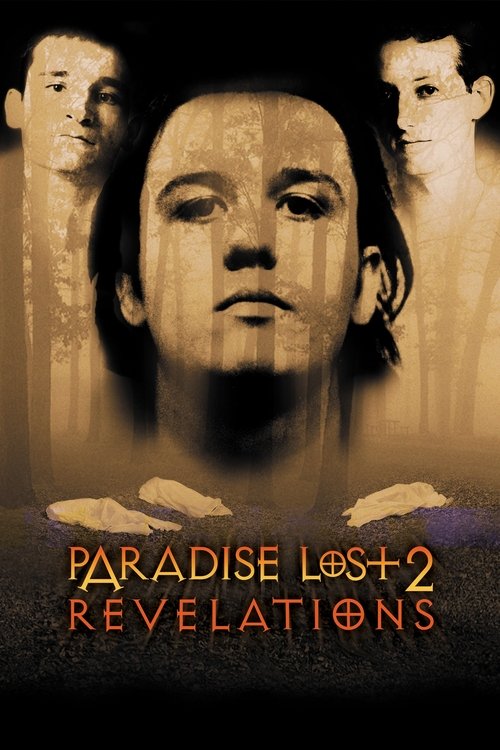
2000
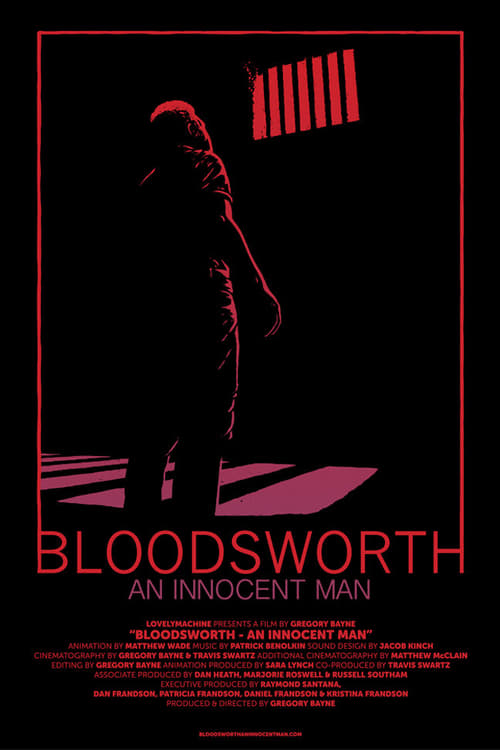
2015
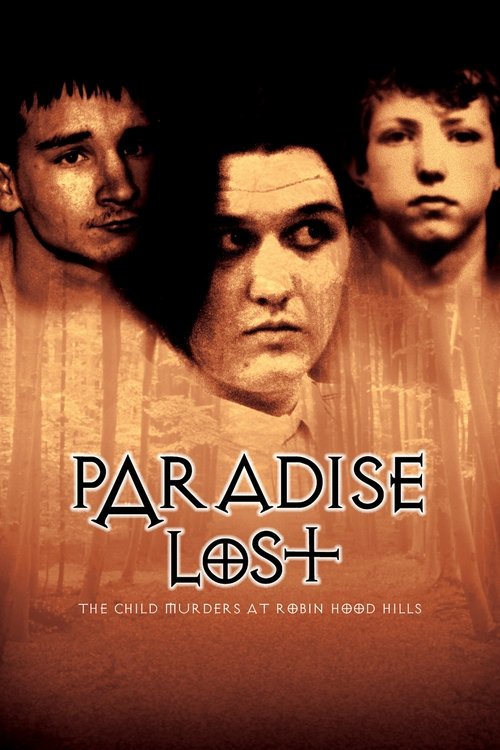
1996
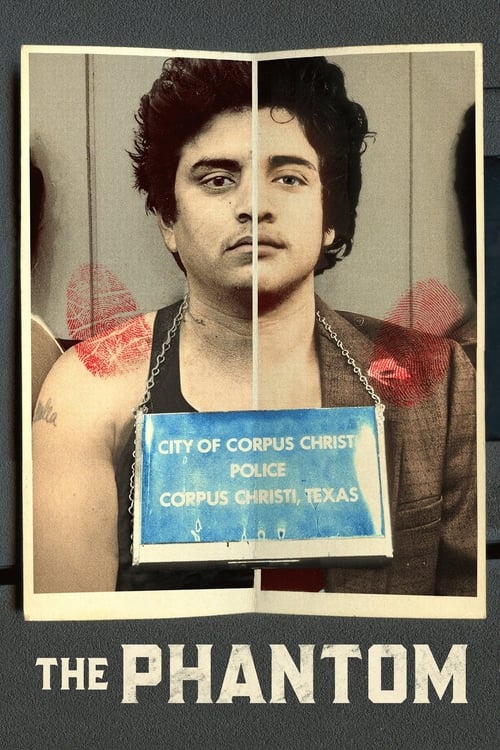
2021

2020
No reviews yet. Be the first to share your thoughts on this movie!
Use the rating form above to leave a star rating and optional review.