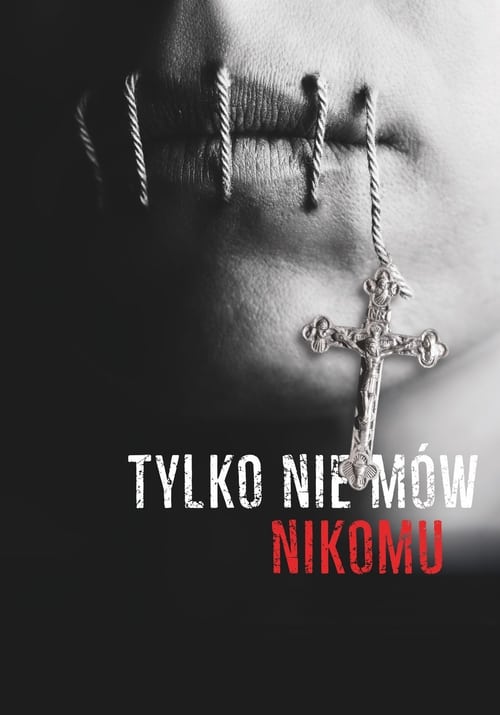
Tylko nie mów nikomu
2019
No user ratings available yet
Representation score: 8.2 out of 10
Representation Score
Good
2020
Director
Tomasz Sekielski
Runtime
87 minutes
Average Rating
No ratings yetNew Showbiz Analysis
Playing Hide and Seek is a pointed investigative documentary that prioritizes systemic critique over broad demographic representation. Its primary strength lies in its willingness to dismantle the perceived infallibility of a major Western institution, specifically the Polish Catholic Church. By centering the lived experiences of survivors, it challenges established patriarchal and religious power structures. However, the film's scope is geographically and culturally narrow. Because it focuses on a specific Polish context, it lacks racial and ethnic diversity. The narrative is driven by the weight of institutional trauma rather than a diverse array of social identities. Ultimately, the film succeeds as a tool for social deconstruction. It trades broad inclusivity for a deep, concentrated look at how systemic oppression affects individuals within a specific cultural framework.
Category Breakdown
The film examines the complexities of sexuality through the lens of sexual trauma and institutional complicity. It provides a platform for silenced voices, though it centers on abuse rather than identity celebration.
By centering male victims, the documentary challenges traditional hierarchies and notions of masculine invulnerability. It highlights how patriarchal institutions can exploit individual vulnerability.
The investigation is localized within the Polish social landscape. It does not prioritize racial or ethnic blending, focusing instead on specific regional cultural and religious fabrics.
The narrative deconstructs the Polish Catholic Church, portraying it as an entity capable of systemic corruption. It prioritizes the truth of victims over the sanctity of religious authority.
The film addresses the psychological impact of trauma and invisible mental health struggles. However, characters are framed as survivors rather than through a lens of specific disability ability to act.
Present on Screen
Limited or Absent
Official Synopsis
The documentary follows the story of two brothers who were sexually abused by the same priest of Polish Catholic Church.
2019

2021
2011

2006
2004
2016

2019

2019
No reviews yet. Be the first to share your thoughts on this movie!
Use the rating form above to leave a star rating and optional review.