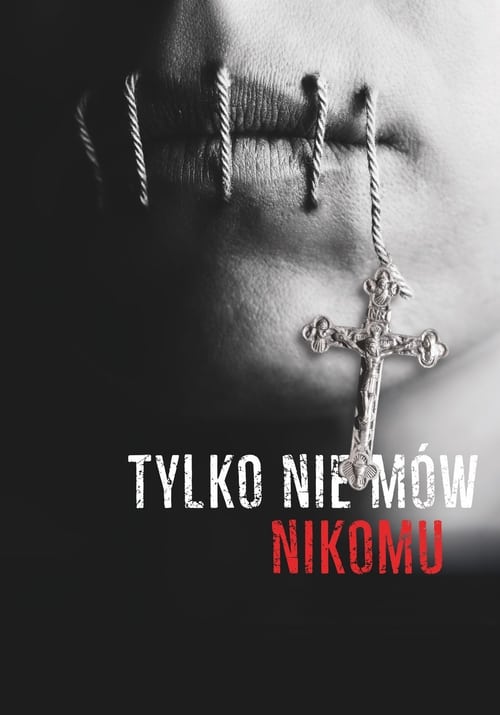
Tylko nie mów nikomu
2019
No user ratings available yet
Representation score: 8.2 out of 10

Representation Score
Excellent
2019
Director
Eric Quintin, Marie-Pierre Raimbault
Runtime
94 minutes
Average Rating
No ratings yetNew Showbiz Analysis
This documentary succeeds by centering the voices of nuns, effectively challenging the traditional, male-dominated power structures of the Catholic Church. By shifting the focus from clerical authority to the victims, it provides a necessary disruption of religious hierarchies. While the film offers a global perspective on systemic abuse, it lacks specific demographic depth regarding racial and ethnic diversity. The investigation's breadth is suggested by its worldwide scope, but individual multi-layered stories are not explicitly detailed. Ultimately, the film serves as a powerful institutional critique. It prioritizes the deconstruction of established social and religious structures, though it remains limited in its explicit representation of LGBTQ+ identities and specific disability-related ability to act.
Category Breakdown
The film touches on sexual abuse within the Church, which can intersect with the suppression of non-traditional identities. However, it does not include any explicit LGBTQ+ storylines or clearly defined LGBTQ+ main characters.
The documentary highlights the role of women by amplifying the voices of nuns. It challenges patriarchal religious hierarchies by focusing on the experiences of women within a male-dominated institution.
The film reports allegations from around the world, indicating a global scope. However, it does not provide specific evidence of a diverse cast or detailed studies of multi-layered characters.
The film offers a sophisticated critique of the Catholic Church as a Western institution. It deconstructs religious authority, presenting the Church as a place of systemic corruption and oppression.
The narrative addresses the psychological trauma and mental health issues stemming from abuse. However, it does not depict characters with specific physical or neurodivergent disabilities exercising significant control over their lives.
Present on Screen
Limited or Absent
Official Synopsis
Church and sexual abuse of minors has long been an issue. But in addition to the paedophilia scandals, other revelations are shaking the Catholic Church: allegations from across the world of nuns being sexually abused by priests. In February 2019, Pope Francis acknowledged the abuse for the first time. This documentary gives an insight into an issue in the Catholic Church that has remained largely unreported.
2019

2006
2011

2021
2020
2016
2012
2019
No reviews yet. Be the first to share your thoughts on this movie!
Use the rating form above to leave a star rating and optional review.