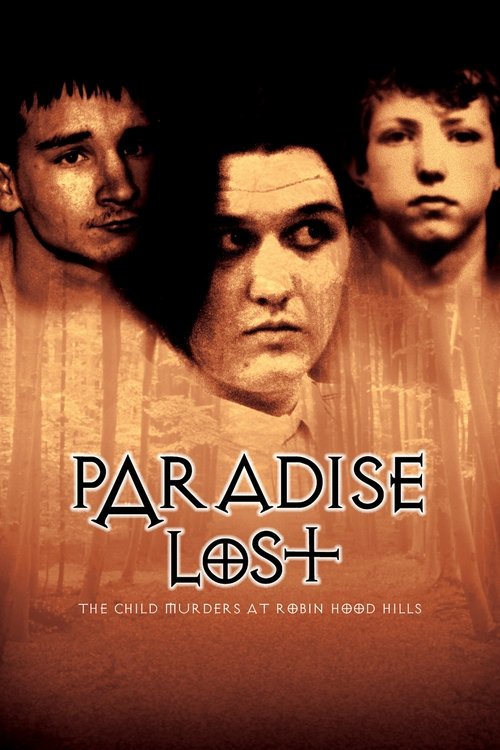
Paradise Lost: The Child Murders at Robin Hood Hills
1996
No user ratings available yet
Representation score: 2.9 out of 10

Representation Score
Fair
2006
NRDirector
Amy J. Berg
Runtime
101 minutes
Average Rating
No ratings yetNew Showbiz Analysis
Amy J. Berg’s documentary serves as a specialized investigative work that primarily critiques institutional power. It disrupts the cliché of religious moral authority by exposing systemic corruption within the Catholic Church. While the film scores low in traditional demographic metrics like LGBTQ+ and racial representation, it achieves significant impact through its cultural critique. It deconstructs traditional religious hierarchies to favor victim advocacy. The narrative remains focused on the dynamics of male authority and the vulnerability of those under its care, making it a study of institutional failure rather than a broad demographic survey.
Category Breakdown
The film does not center on LGBTQ+ identities or narratives. It focuses on predatory behavior within a religious hierarchy without featuring queer-coded character arcs.
The narrative emphasizes the exploitation of children and the systemic protection of a male perpetrator. It highlights the failure of patriarchal institutional leadership.
The film focuses on the internal corruption of a specific religious institution. It does not prioritize multi-layered racial or ethnic diversity as a central thematic element.
The film offers a profound critique of the Catholic Church. It portrays the institution as a corrupt, self-preserving entity that prioritizes its own survival over human rights.
The film touches upon the psychological trauma of victims and the perpetrator's mental state. These are framed through criminal pathology rather than an exploration of disability with ability to act.
Present on Screen
Limited or Absent
Official Synopsis
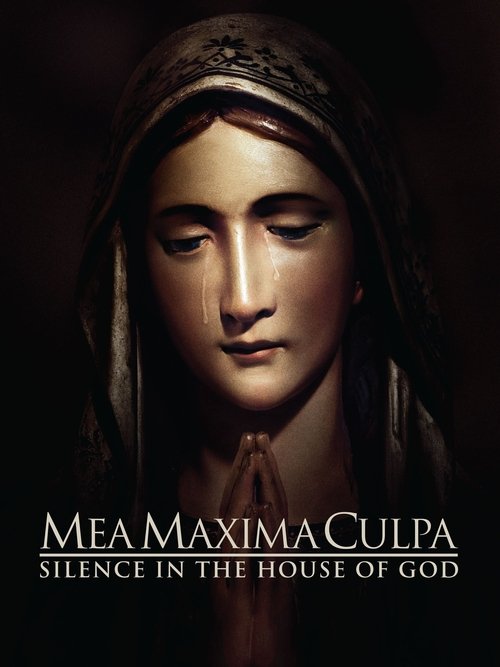
Documentary filmmaker Amy Berg investigates the life of 30-year pedophile Father Oliver O'Grady and exposes the corruption inside the Catholic Church that allowed him to abuse countless children. Victims' stories and a disturbing interview with O'Grady offer a view into the troubled mind of the spiritual leader who moved from parish to parish gaining trust ... all the while betraying so many.
1996
2000

2008
2015
2017

2011
2012
2019
No reviews yet. Be the first to share your thoughts on this movie!
Use the rating form above to leave a star rating and optional review.