Fireworks
1954
No user ratings available yet
Representation score: 2.5 out of 10
Representation Score
Excellent
1956
Not RatedDirector
Eldar Ryazanov
Runtime
78 minutes
Average Rating
No ratings yetNew Showbiz Analysis
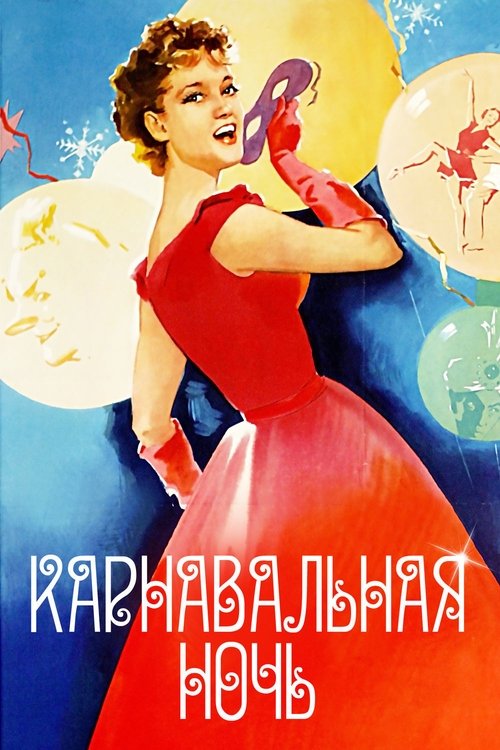
Carnival Night is a spirited celebration of communal joy that functions as a subtle rebellion against bureaucratic rigidity. It portrays a collective struggle for creative autonomy, particularly through its capable female characters who resist institutional interference. However, the film is limited by its historical context, showing a lack of diverse representation. The cast is largely homogeneous, and there is no explicit representation of LGBTQ+ identities or disability. Ultimately, the film's strength lies in its cultural subversion. It uses the concept of a 'carnival' to champion individual expression over the stifling, report-driven expectations of authority figures like Ogurtsov.
Category Breakdown
The film lacks explicit depictions of non-binary gender identities or same-sex relationships, reflecting the social and cinematic constraints of the 1950s Soviet era.
Female performers and staff play a significant role in driving the narrative, acting as the primary architects of the celebration against patriarchal bureaucratic interference.
The cast depicts a relatively homogeneous Soviet society, focusing on class and institutional identity rather than multi-ethnic or racial variety.
The story offers a sophisticated critique of institutionalism by prioritizing spontaneous social joy over rigid, state-sanctioned formality. It champions unofficial human connections over official morality.
There is no evidence of characters with visible or invisible disabilities being used as plot devices. The narrative focuses primarily on the social dynamics of the institute staff.
Present on Screen
Limited or Absent
Official Synopsis
It is the New Year's Eve and the employees of an Economics Institute are ready with their annual New Year's entertainment program. It includes a lot of dancing and singing, jazz band performance and even magic tricks. Suddenly, an announcement is made that a new director has been elected and that he is arriving shortly. Comrade Ogurtsov arrives in time to review and disapprove of the scheduled entertainment. To him, holiday fun has a different meaning. He imagines speakers reading annual reports to show the Institute's progress over the year, and, perhaps, a bit of serious music, something from the Classics, played by the Veterans' Orchestra. Obviously, no one wants to change the program a few hours before the show, much less to replace it with something so boring! Now everyone has to team up in order to prevent Ogurtsov from getting to the stage. As some of them trap Ogurtsov one way or another, others perform their scheduled pieces and celebrate New Year's Eve.
1954
1941
1947
1951
1946
1967
1957
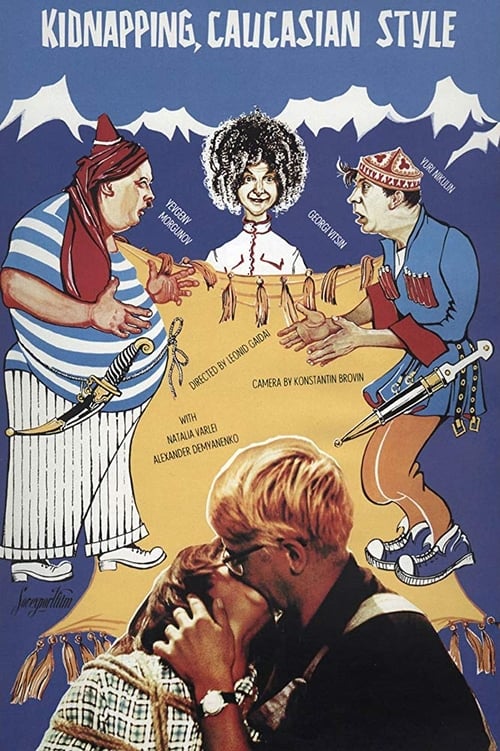
1967
No reviews yet. Be the first to share your thoughts on this movie!
Use the rating form above to leave a star rating and optional review.