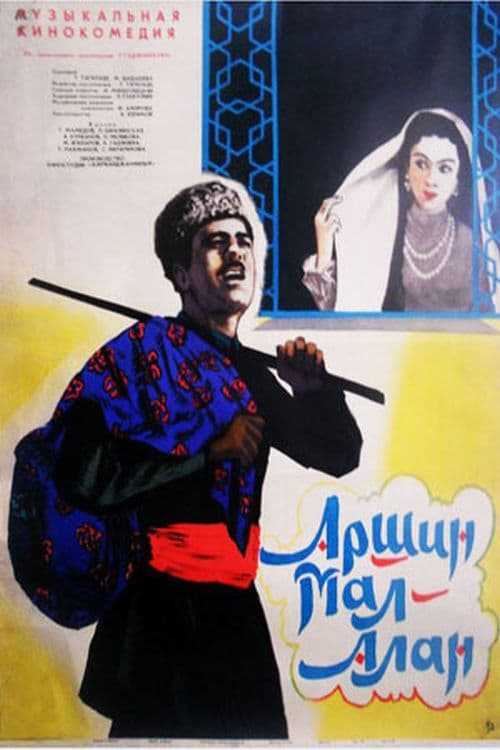
Arshin Takes a Wife
1945
No user ratings available yet
Representation score: 3.4 out of 10

Representation Score
Limited
1947
Director
Grigori Aleksandrov
Runtime
104 minutes
Average Rating
No ratings yetNew Showbiz Analysis
Spring is a culturally specific work that excels in its ideological commitment to secularism and communal progress. It uses the musical comedy genre to celebrate the working class and critique Western individualism. However, the film lacks modern diversity, operating within a homogeneous and traditional framework that does not include LGBTQ+ identities, diverse racial backgrounds, or disabilities. Ultimately, the film reflects its era, emphasizing state-aligned social cohesion over a broad spectrum of human identity.
Category Breakdown
The film follows the social norms of the 1940s Soviet era, focusing on traditional courtship and romance without any depiction of same-sex relationships.
The protagonist showcases intelligence and scientific prowess, but the plot relies on a look-alike cliché that emphasizes traditional feminine roles and romantic fulfillment.
The cast is primarily Slavic and uniform, reflecting the historical Moscow setting. The film does not explore racial or ethnic diversity.
The narrative emphasizes secularism and collective progress, promoting anti-capitalist sentiments by highlighting the working and student classes through a unified social identity.
There is no representation of physical or neurodivergent disabilities. Characters are shown as able-bodied participants in Soviet social and professional life.
Present on Screen
Limited or Absent
Official Synopsis
A drab woman scientist, working on machine to harness solar energy, and a pert concert singer look-alike being courted to play her in a movie swap identities and find personal growth, professional success, love, and happiness.
1945
1938

1933
1966
1956
1952
1938
1939
No reviews yet. Be the first to share your thoughts on this movie!
Use the rating form above to leave a star rating and optional review.