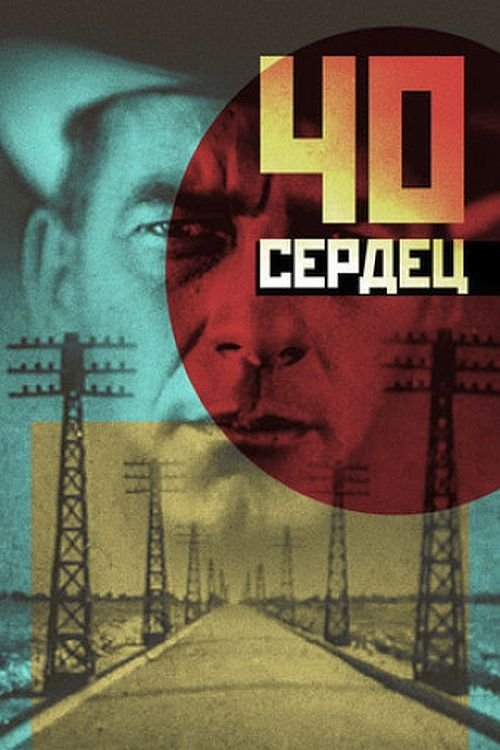
Forty Hearts
1931
No user ratings available yet
Representation score: 4.4 out of 10
Representation Score
Fair
1932
Director
Esfir Shub
Runtime
56 minutes
Average Rating
No ratings yetNew Showbiz Analysis
Esfir Shub’s documentary serves as a powerful tool for social transformation, using montage to reconstruct historical reality. It excels by showcasing women in technical roles and celebrating a multi-ethnic, collective identity. However, the film strictly adheres to the ideological requirements of its era, lacking any representation of LGBTQ+ identities or disabilities. Ultimately, the film's strength lies in its radical cultural positioning, which advocates for a complete restructuring of social and economic power by framing religious and capitalist systems as obsolete.
Category Breakdown
The film focuses entirely on the collective industrial struggle within early Soviet ideological parameters. There are no queer narratives or representations of non-straight identities.
Women are shown as active participants in the technical and industrial workforce. The film emphasizes their ability to drive the story through labor and intellect rather than domestic roles.
The film features a diverse cast of Slavic and Central Asian populations, highlighting the collective participation of various ethnic groups in the modernization process.
The narrative promotes secularism and scientific materialism over religious structures. It presents the Soviet industrial project as a direct ideological alternative to Western capitalist models.
The documentary lacks a significant focus on visible or invisible disabilities. It prioritizes the depiction of the able-bodied proletarian worker as the engine of progress.
Present on Screen
Limited or Absent
Official Synopsis
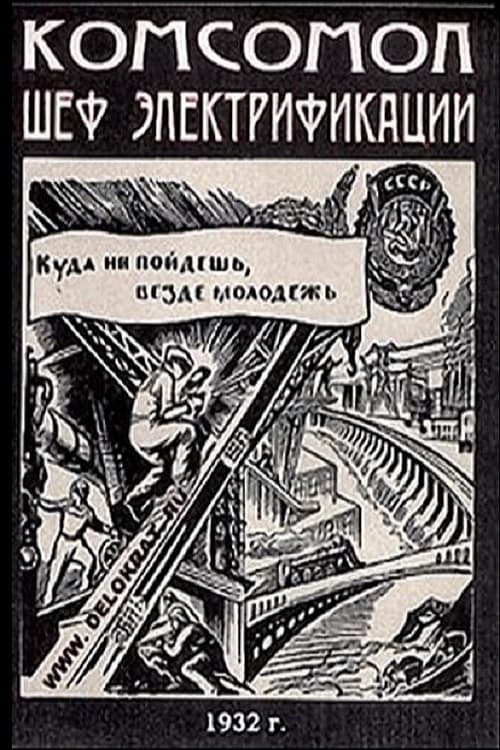
In this pioneering documentary, one of the earliest Soviet sound films, Shub shot a contemporary chronicle of the progress of establishing electricity across the Soviet nation, a struggle spearheaded by the Komsomol.
1931

1929
1922

1927
1922

1922
1923
1924
No reviews yet. Be the first to share your thoughts on this movie!
Use the rating form above to leave a star rating and optional review.