A Touch of Fever
1993
No user ratings available yet
Representation score: 4.6 out of 10
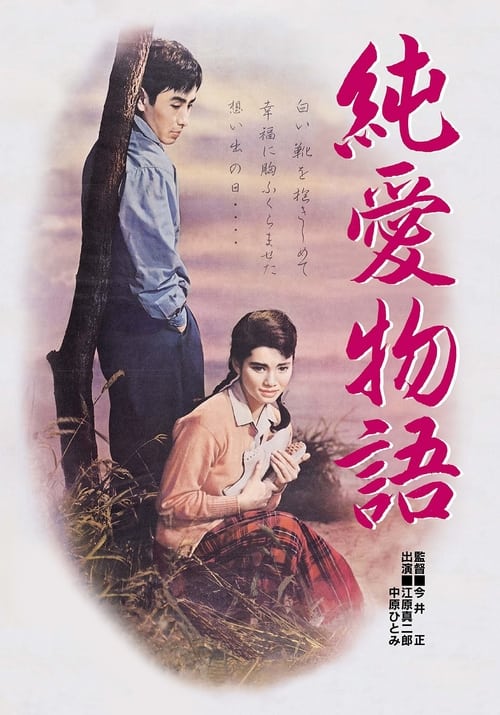
Representation Score
Fair
1957
Director
Tadashi Imai
Runtime
133 minutes
Average Rating
No ratings yetNew Showbiz Analysis
The film explores socioeconomic alienation typical of its time, rather than identity politics. It excels in portraying the struggles of those on the margins of society, such as thieves and laborers. By highlighting the tension between personal desires and systemic oppression, it questions the stability of social institutions. However, the work remains confined by the dramatic clichés of its era. Gender and disability are often used to serve the tragic narrative rather than offering nuanced character development. The absence of LGBTQ+ representation and the homogeneous cast reflect the social limitations of the period.
Category Breakdown
The film focuses solely on a heterosexual relationship and does not depict any non-cisgender identities or challenge the assumption that everyone is straight.
Mitsuko demonstrates emotional strength and plays a significant role in driving the story. However, the narrative emphasizes her suffering and follows traditional gender roles.
The cast is ethnically uniform, reflecting a specific Japanese context. It avoids Western casting norms but does not include diverse ethnic representation.
The story provides a detailed look at institutional power, focusing on outcasts and laborers to challenge idealized views of society.
Mitsuko’s deteriorating health drives the tragic storyline. The film uses her illness primarily as a plot device rather than exploring her lived experience.
Present on Screen
Limited or Absent
Official Synopsis
Junai Monogatari AKA Story of Pure Love is about two poor youths, Mitsuko and Kando, rebelling against society in various ways, who are desperately trying to be together despite tortuous circumstances. The film depicts their lives as thieves, menial laborers who can get little pay, society outcasts, and of course, lovers. Junai Monogatari depicts, mostly, their struggles within the Japanese reformatory system and Mitsuko's worsening sickness.
1993

1938

1963

1954
1976
1960
1961

1964
No reviews yet. Be the first to share your thoughts on this movie!
Use the rating form above to leave a star rating and optional review.