The Road Home
1946
No user ratings available yet
Representation score: 3.0 out of 10
Representation Score
Fair
1955
Director
Rados Novakovic, Kåre Bergstrøm
Runtime
95 minutes
Average Rating
No ratings yetNew Showbiz Analysis
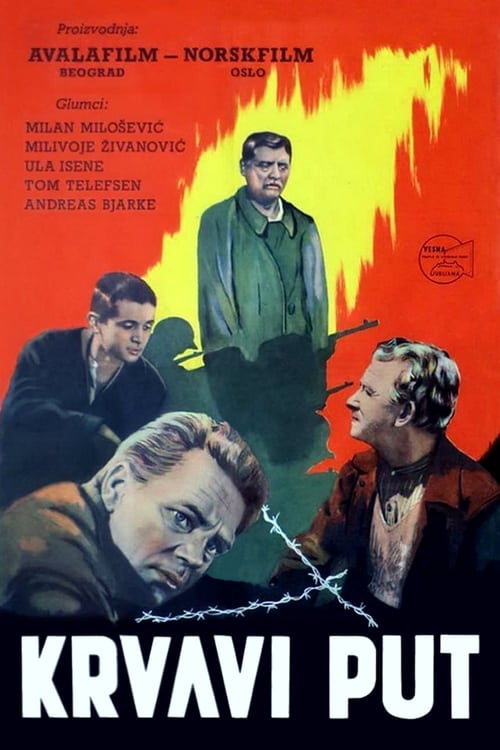
The Blood Road is a mid-century war drama that emphasizes geopolitical complexity rather than modern identity politics. Set against the backdrop of the Yugoslav Partisan struggle against Nazi occupation, the film incorporates a multi-ethnic cast. However, it adheres to the traditional masculine archetypes of the 1950s and lacks any representation of LGBTQ+ identities or characters with disabilities. Ultimately, the film's diversity lies in its thematic resistance to systemic oppression and its depiction of cross-border solidarity, despite the absence of contemporary social nuances.
Category Breakdown
The film does not include any explicit LGBTQ+ characters or narratives. Its structure focuses on the 1950s war genre, prioritizing national survival over identity exploration.
The story centers on masculine archetypes of combat and endurance within the Partisan movement. It does not depict any subversion of gender hierarchies or non-traditional roles.
The film features Yugoslav Partisans, Nazi occupiers, and Norwegian civilians, creating a diverse cast. This disrupts homogeneous experiences by highlighting the struggles of multiple ethnicities.
The film highlights resistance against Nazi occupation by focusing on local community support and solidarity. It emphasizes social unity and mutual aid.
There is no evidence of the film depicting characters with physical or mental disabilities.
Present on Screen
Limited or Absent
Official Synopsis
Yugoslav Partizans, captured by Nazis, are sent to concentration camps in distant Norway. The local population help some Partizans survive or flee to neutral Sweden.
1946
1945
1963

1977
1958
1964

1955
1987
No reviews yet. Be the first to share your thoughts on this movie!
Use the rating form above to leave a star rating and optional review.