The Godfather Legacy
2012
No user ratings available yet
Representation score: 2.5 out of 10
Representation Score
Fair
2008
NRDirector
Constantine Nasr
Runtime
105 minutes
Average Rating
No ratings yetNew Showbiz Analysis
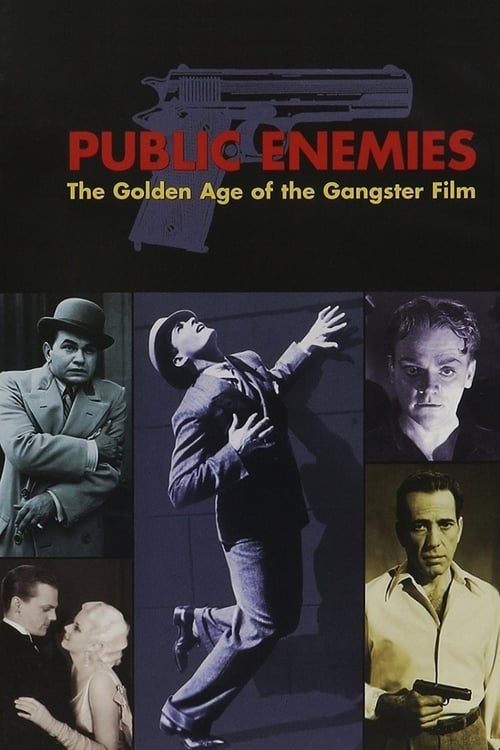
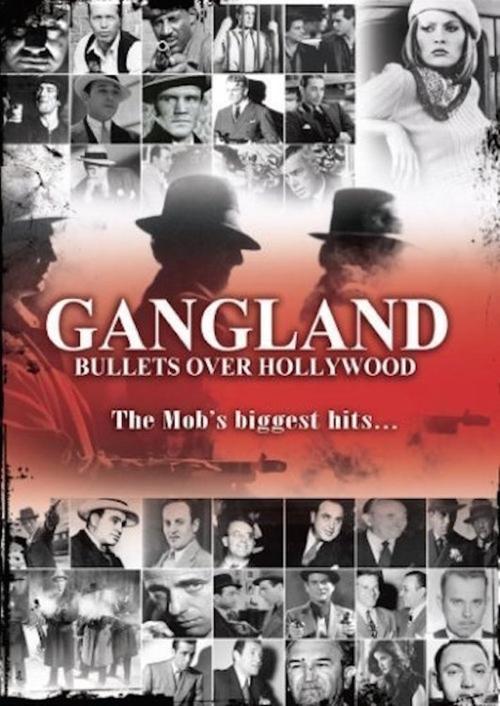
Public Enemies serves as a scholarly historical retrospective rather than a tool for social subversion. It excels at analyzing how the gangster genre reflected the socioeconomic tensions and ethnic textures of early 20th-century America. However, the film is tethered to the traditional hierarchies of the era it examines. It documents the reinforcement of masculine leadership and submissive femininity without offering modern subversions of these clichés. While the documentary provides a sophisticated look at systemic corruption and immigrant identities, it lacks representation for LGBTQ+ individuals and people with disabilities, reflecting the limitations of its historical subject matter.
Category Breakdown
The film focuses on the 1930s gangster era, which followed strict conventions assuming everyone was straight or cisgender. There are no LGBTQ+ characters or narratives in the archival footage or the retrospective framework.
The documentary highlights rigid gender hierarchies, focusing on the 'moll' archetype. Women are largely relegated to domestic or supportive roles within the male-dominated narratives being studied.
The film examines how the genre shaped Italian-American and Jewish-American identities. It explores the immigrant experience and how ethnicity intersected with urban crime during this era.
The documentary critiques the failures of the American Dream and capitalist structures. It frames organized crime as a response to broken institutions and systemic socioeconomic dysfunction.
There is no significant focus on neurodivergence or physical disabilities. The scope remains centered on class, ethnicity, and gendered power dynamics within the crime genre.
Present on Screen
Limited or Absent
Official Synopsis
Produced for Turner Classic Movies, this documentary looks at the early days of the gangster film.
2012
1967
1990
2015

2016

1995
2005
1973
No reviews yet. Be the first to share your thoughts on this movie!
Use the rating form above to leave a star rating and optional review.