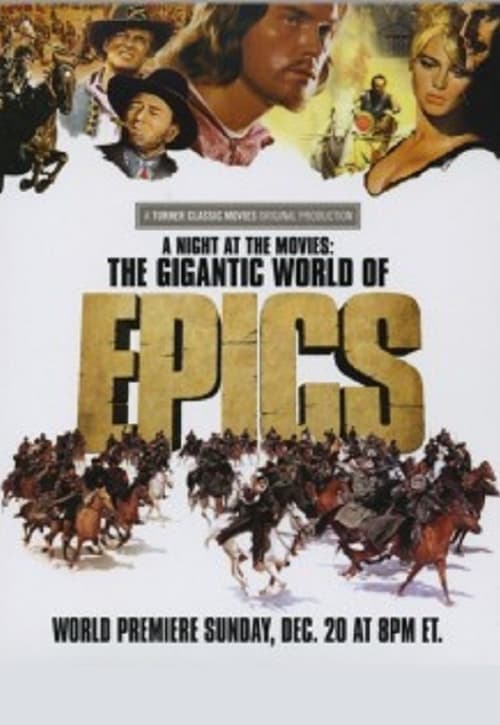
A Night at the Movies: The Gigantic World of Epics
2009
No user ratings available yet
Diversity score: 2.3 out of 10
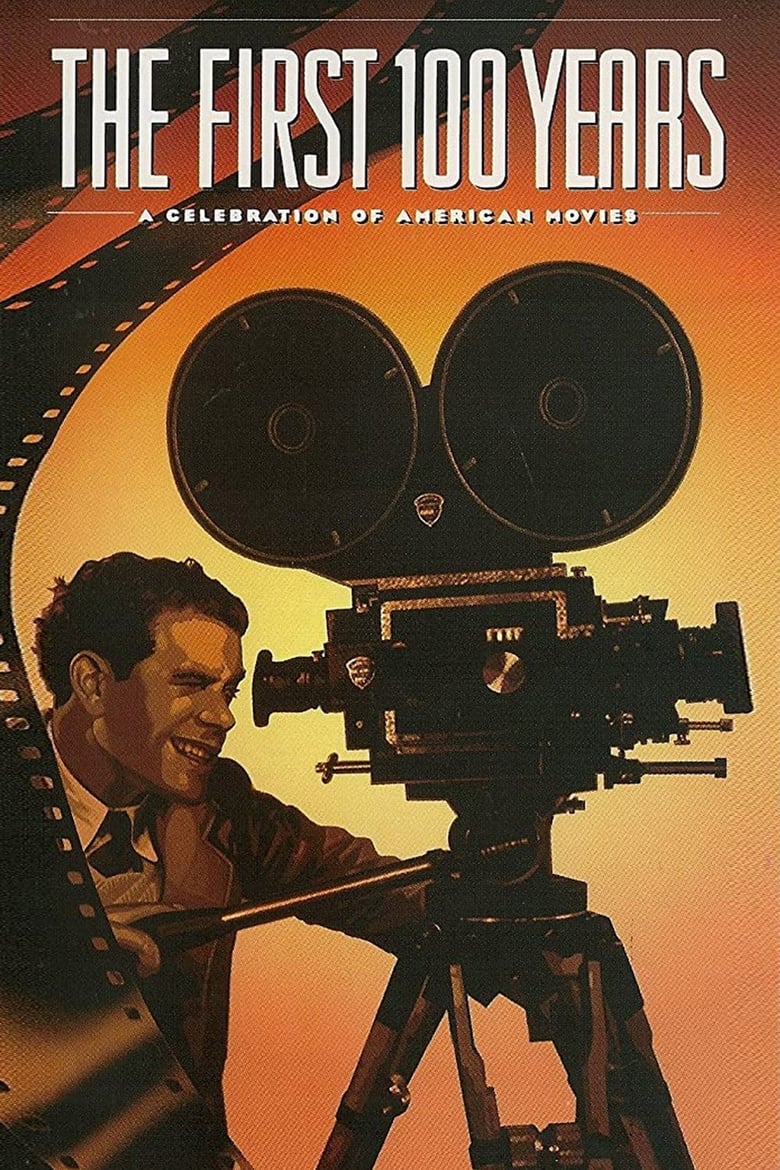
1995
Director
Chuck Workman
Runtime
90 minutes
Average Rating
No ratings yetSynopsis
Based on the first centenary of the largest exporter of films in the world, that is Hollywood, is the story told by its protagonists, actors and writers and other people who made life in this business, interspersing images of famous movies.
Overall Score
Limited
Category Breakdown
LGBTQ+ Representation
The film functions as a historical survey that does not center queer identities. While archival clips may contain non-heteronormative subtext, the documentary lacks a focused lens on LGBTQ+ agency.
Gender Representation
The documentary traces the evolution of gender archetypes from the silent era through New Hollywood. It observes traditional gender hierarchies rather than actively subverting them through its own narrative voice.
Racial & Ethnic Diversity
The film acknowledges historical segregation and evolving casting practices within the industry. However, it presents these elements as chronological progression rather than engaging in deep analysis of systemic exclusion.
Religious & Cultural Diversity
The narrative architecture remains a traditionalist appreciation of Western cinematic achievement. It focuses on Hollywood's role as a global cultural exporter rather than exploring diverse cultural perspectives.
Disability Representation
The film does not prioritize the agency of neurodivergent or physically disabled characters. Representation appears limited to incidental inclusions within archival clips without a dedicated narrative theme.
Strengths
Areas for Improvement
AI Analysis
This documentary serves as a chronological retrospective of Hollywood's first century, focusing on technical milestones and genre evolution. It acts as a mirror to the industry's history, capturing the evolution of various tropes and archetypes as they appeared on screen. Because the film maintains a celebratory tone toward the established studio system, it avoids critical deconstruction of systemic power dynamics. It prioritizes the history of the medium over a deep analysis of intersectional identity or systemic exclusion. Ultimately, the work functions as a traditional historical survey. It documents how representation changed over time without using its own voice to critique the historical lack of diversity or the industry's systemic biases.
2009

2020
2005

2025
2009
1990
1994
2017
2000
1973
2004

2002
No reviews yet. Be the first to share your thoughts on this movie!
Use the rating form above to leave a star rating and optional review.