Scorsese on Scorsese
2004
No user ratings available yet
Representation score: 1.3 out of 10
Representation Score
Fair
1973
Director
Richard Schickel
Runtime
57 minutes
Average Rating
No ratings yetNew Showbiz Analysis
This documentary serves as a historical preservation of cinematic craft rather than a tool for social commentary. It prioritizes the technical and stylistic contributions of Howard Hawks within the classical Hollywood era. The film’s strength lies in its examination of gendered strength. By analyzing the 'Hawksian woman,' it provides a meaningful look at female characters who maintain intellectual parity and verbal dominance alongside male leads. However, the work remains tethered to the homogeneous social frameworks of the 1930s–1950s. It lacks engagement with LGBTQ+ identities, racial diversity, or disability, reflecting the era's limited representation.
Category Breakdown
The documentary focuses solely on Howard Hawks' professional work and biography. It does not mention LGBTQ+ identities or queer narratives, staying focused on the heterosexual and cisgender norms of the mid-20th-century studio system.
The film highlights the 'Hawksian woman,' showcasing actresses like Lauren Bacall who play significant roles in driving the story. It emphasizes female competence and challenges traditional gender hierarchies through equal dialogue.
The study examines a period marked by a lack of racial diversity in mainstream casting. It does not center characters of color or engage with themes of racial diversity.
The analysis celebrates Western cinematic history and the mechanics of the studio system. It reinforces traditional Hollywood structures without promoting specific religious or nationalist dogmas.
The film does not center on disability, neurodivergence, or chronic illness. Archival clips focus on professional competence and physical action rather than the ability to act of individuals with disabilities.
Present on Screen
Limited or Absent
Official Synopsis
A documentary filmography of Howard Hawks, including lengthy footage of Hawks himself discussing his films and many clips from his best-known pictures.
2004
1995
2007
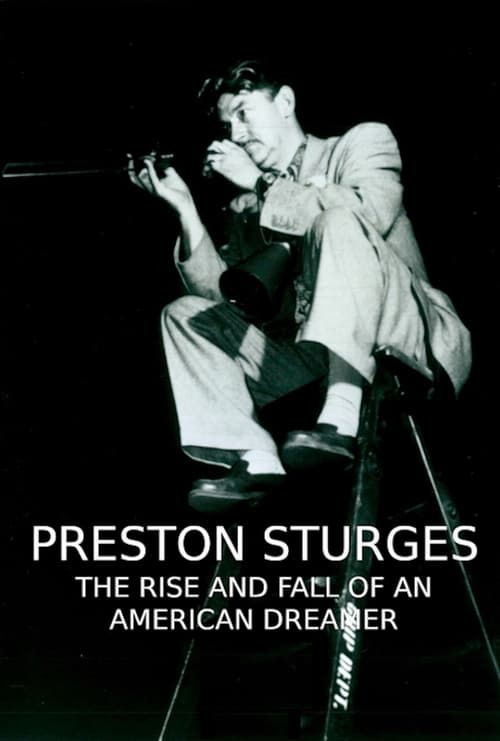
1990
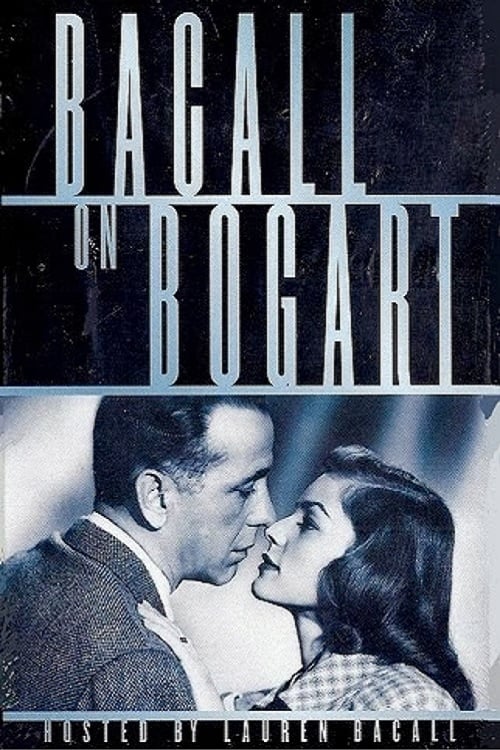
1988
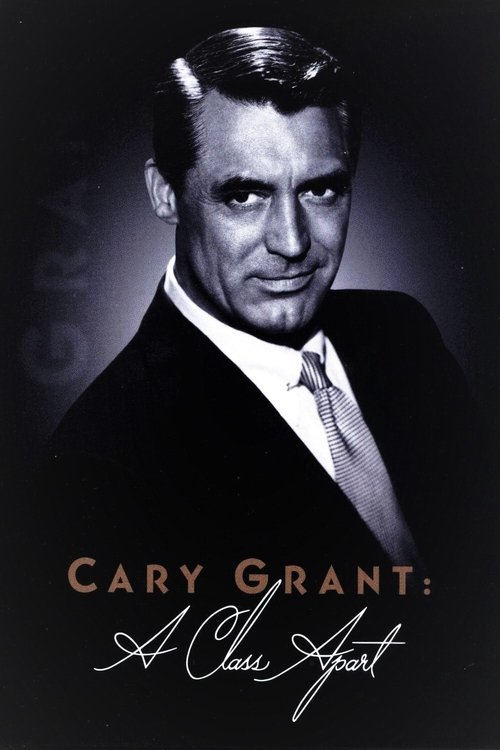
2004
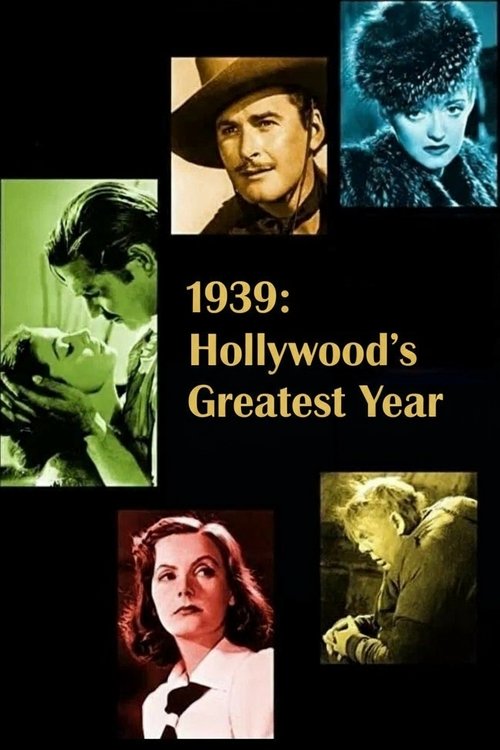
2009
2002
No reviews yet. Be the first to share your thoughts on this movie!
Use the rating form above to leave a star rating and optional review.