Lock-Up: The Prisoners of Rikers Island
1994
No user ratings available yet
Representation score: 7.5 out of 10
Representation Score
Good
1989
Director
Jon Alpert
Runtime
55 minutes
Average Rating
No ratings yetNew Showbiz Analysis
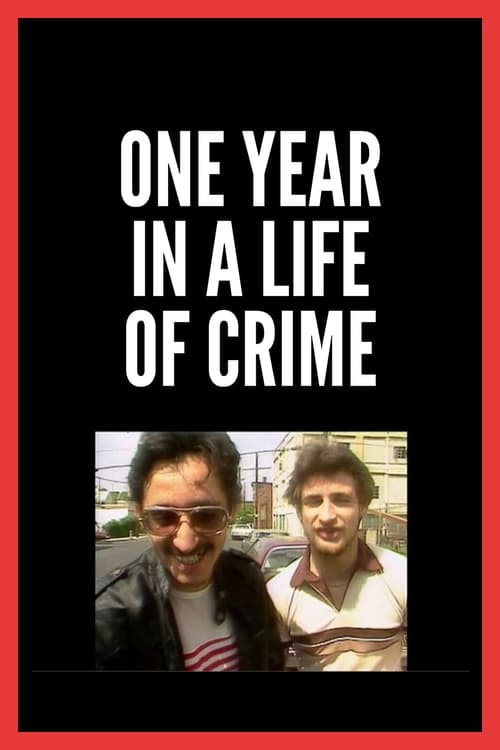
Jon Alpert’s documentary provides a gritty, intimate look at the lives of three professional criminals navigating urban exclusion. It succeeds by presenting the homeless population as complex actors rather than mere statistics. The film's strength lies in its storytelling that reflects multiple aspects of identity and its critique of capitalist structures. By documenting the necessity of theft for survival, it challenges traditional Western notions of morality and social order. However, the film's scope is limited by its narrow demographic focus. The heavy emphasis on a male-dominated subculture and the absence of LGBTQ+ narratives restrict the breadth of its social commentary.
Category Breakdown
The documentary focuses on the specific subculture of street-level survival. It does not include identifiable LGBTQ+ narratives or non-cisgender identities.
The film centers almost exclusively on the male experience of homelessness and petty crime. This narrow focus limits the range of gender perspectives presented.
The film excels in centering underrepresented racial identities within the urban landscape. Characters like Pops provide significant roles in driving the story.
The documentary offers a significant critique of Western capitalist structures. It frames survivalist theft as a response to systemic failure rather than individual moral failings.
The film provides a raw depiction of the intersection between socioeconomic status and mental or physical health. It treats addiction and instability as integral lived realities.
Present on Screen
Limited or Absent
Official Synopsis
Their job is stealing, their lives a cruel dead end. Director Jon Alpert takes his cameras undercover for this hard-hitting look at men who live by theft and suffer addiction. Focusing on a year in the lives of three professional criminals, this gritty profile—which includes hidden-camera footage of actual thefts—exposes the "petty" crimes that are paralyzing America.
1994
2015
2021

2012

2010

1998
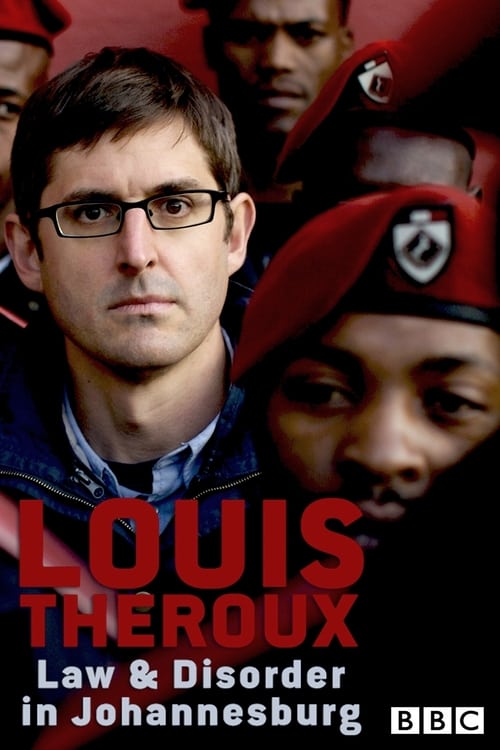
2008

2015
No reviews yet. Be the first to share your thoughts on this movie!
Use the rating form above to leave a star rating and optional review.