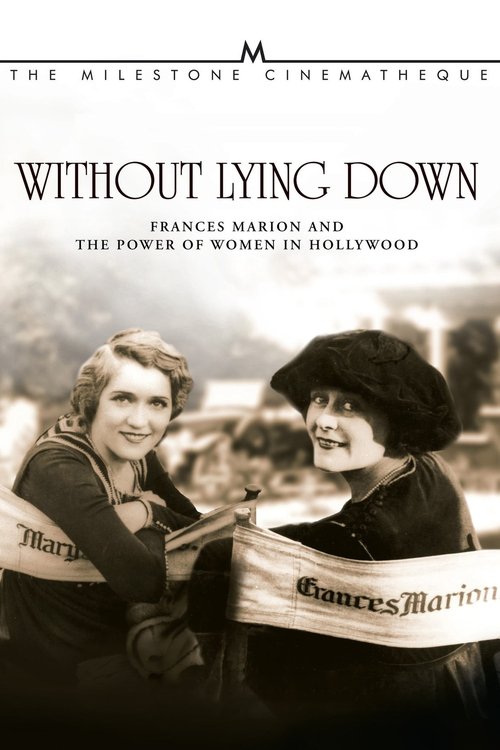
Without Lying Down: Frances Marion and the Power of Women in Hollywood
2000
No user ratings available yet
Representation score: 7.7 out of 10

Representation Score
Fair
2003
PGDirector
Hugh Munro Neely
Runtime
56 minutes
Average Rating
No ratings yetNew Showbiz Analysis
Complicated Women serves as a historical look at the Pre-Code era, specifically analyzing how films between 1929 and 1934 challenged social hierarchies. The documentary excels at breaking down gender norms, moving beyond the 'virgin or vamp' dichotomy to show women with multifaceted personalities and professional independence. However, the film's scope is limited. While it offers a detailed exploration of the subversion of patriarchal structures, it lacks broader diversity. The historical focus on the Hollywood studio system seems to overlook significant racial and ethnic diversity, and there is no mention of disability representation. Ultimately, the film is a specialized study of gender and moral relativism. It succeeds in its niche of examining how early sound-era filmmaking challenged domesticity and traditional morality before the Hays Code era.
Category Breakdown
The documentary looks at characters who defied traditional expectations of purity. It explores archetypes that existed outside the strict moral boundaries later enforced by censorship.
The film focuses on overturning traditional gender hierarchies. It highlights women as independent actors with significant roles, jobs, and complex romantic lives rather than passive objects.
The focus remains on female archetypes within the 1930s Hollywood studio system. There is little indication of significant attention to racial or ethnic diversity.
The narrative uses a revisionist lens to challenge the singular Christian morality of later decades. It portrays Pre-Code characters as unapologetic and sympathetic.
The film provides no specific details regarding the depiction of physical or neurodivergent characters.
Present on Screen
Limited or Absent
Official Synopsis
Looks at the stereotype-breaking films of the period from 1929, when movies entered the sound era, until 1934 when the Hays Code virtually neutered film content. No longer portrayed as virgins or vamps, the liberated female of the pre-code films had dimensions. Good girls had lovers and babies and held down jobs, while the bad girls were cast in a sympathetic light. And they did it all without apology.
2000

1998
2020
2008
2018
2001

1998
2007
No reviews yet. Be the first to share your thoughts on this movie!
Use the rating form above to leave a star rating and optional review.