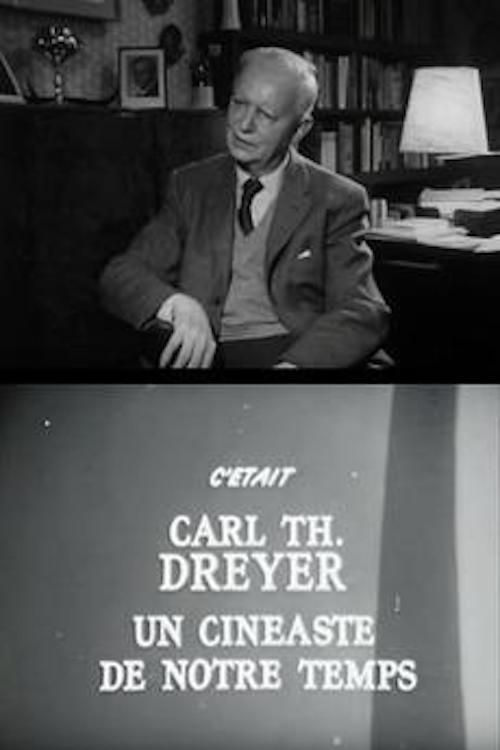
Cinéastes de notre temps : Carl Th. Dreyer
1965
No user ratings available yet
Representation score: 3.3 out of 10

Representation Score
Limited
1982
Director
Erik Frohn Nielsen
Runtime
117 minutes
Average Rating
No ratings yetNew Showbiz Analysis
This documentary serves an academic and archival purpose, focusing on the aesthetic legacy of Danish filmmaker Carl Th. Dreyer. Its intent is historical preservation rather than social commentary. Therefore, it does not actively seek to challenge contemporary social hierarchies or promote multi-layered identity politics. The film's diversity is limited by its specific subject matter, which is rooted in the European cinematic tradition. While Dreyer's films offer profound psychological explorations of female characters, the documentary's framework adheres to traditional scholarship. Ultimately, the work functions as a specialized study of film history. It prioritizes the preservation of high-culture heritage over the deconstruction of traditional Western values or the representation of diverse social identities.
Category Breakdown
The documentary focuses on Dreyer's filmography and explores non-traditional emotional landscapes. However, it does not include explicit narratives or character arcs that are clearly related to LGBTQ+ experiences.
The film highlights the psychological depth and active roles of Dreyer's female characters. However, it remains focused on the traditional academic perspective of the 'Great Man' theory of cinema.
The narrative centers on Western art-house traditions and the European film canon. There is no indication of a non-Anglo-Saxon majority cast or exploration of multi-layered racial dynamics.
The documentary engages with themes of spiritualism and existentialism found in Dreyer's work. It celebrates the high-culture heritage associated with Western institutions without critiquing them.
There is no information about the depiction of physical or neurodivergent disabilities in this documentary.
Present on Screen
Limited or Absent
1965

1999

1979

2007

1998

1998

1955

1990
No reviews yet. Be the first to share your thoughts on this movie!
Use the rating form above to leave a star rating and optional review.