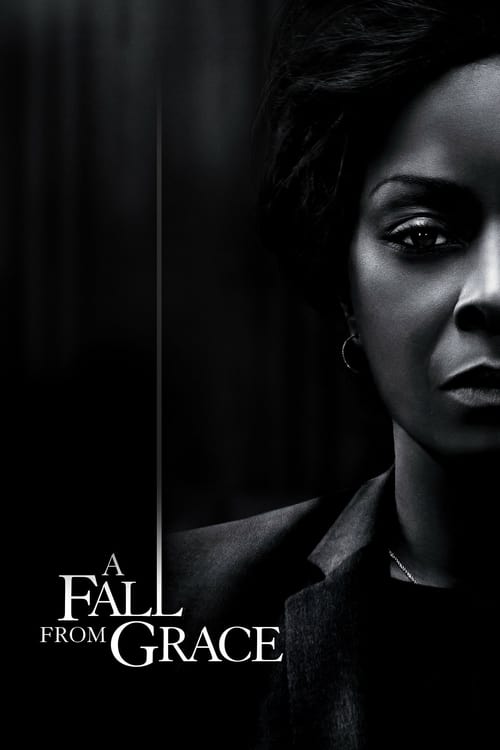
A Fall from Grace
2020
No user ratings available yet
Representation score: 3.6 out of 10

Representation Score
Fair
1993
RDirector
Sidney Lumet
Runtime
107 minutes
Average Rating
No ratings yetNew Showbiz Analysis
Sidney Lumet’s thriller excels in challenging traditional gender roles by focusing on a woman’s active role in a high-stakes courtroom setting. The film moves beyond passive victimhood to explore complex female motivations and intellectual strength. However, the film is limited by a traditional casting approach that lacks racial and cultural diversity. The reliance on a predominantly white cast and the absence of LGBTQ+ or disabled characters result in a narrow demographic scope. Ultimately, the film's strength lies in its sophisticated critique of the fallibility and subjectivity of legal institutions. However, it falls short in representing a broad range of demographics.
Category Breakdown
The film does not include any visible LGBTQ+ characters or storylines. The plot focuses on traditional family and romantic relationships rather than non-straight identities.
A female protagonist navigates a male-dominated legal environment, showing strong intellect and control over her own story. The film passes the Bechdel test through important conversations between women.
The cast is primarily white, which is typical for 1990s legal dramas. Despite being set in New York, the main storyline lacks significant exploration of diverse backgrounds.
The story examines moral relativism and questions the infallibility of legal systems. It portrays justice as a subjective idea rather than a fixed standard.
There are no prominent depictions of physical or neurodivergent disabilities. The story focuses solely on the psychological and legal aspects of the crime.
Present on Screen
Limited or Absent
Official Synopsis
Before a criminal lawyer knows what has happened, she is forced to defend a wife killer she knows is guilty.
2020

1989
1985
1985
1996
2004
1996
1990
No reviews yet. Be the first to share your thoughts on this movie!
Use the rating form above to leave a star rating and optional review.