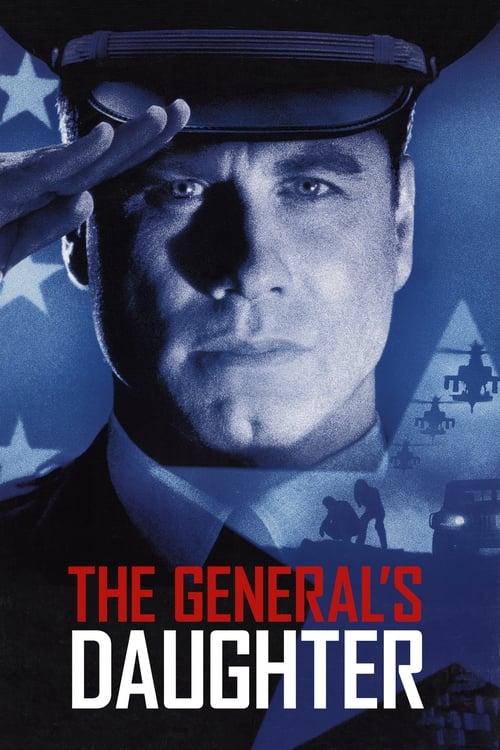
The General's Daughter
1999
No user ratings available yet
Representation score: 2.1 out of 10

Representation Score
Limited
2002
PG-13Director
Carl Franklin
Runtime
115 minutes
Average Rating
No ratings yetNew Showbiz Analysis
High Crimes succeeds as a sophisticated critique of institutional integrity. By centering a Black protagonist in an investigative role, the film moves beyond simple procedural clichés to challenge systemic corruption and the 'blue wall of silence'. While the film provides a strong multi-layered critique of race and state-sanctioned violence, it remains limited in other areas. The narrative operates within a male-dominated framework and offers no engagement with LGBTQ+ or disability-related storylines. Ultimately, the film's strength lies in its refusal to present a heroic state archetype. Instead, it presents a complex landscape where institutional survival often takes precedence over individual truth and rights.
Category Breakdown
The film does not include any LGBTQ+ characters or narratives, focusing solely on professional and legal themes without addressing non-straight identities.
A female attorney plays a key role in driving the plot, showcasing professional empowerment. However, the overall environment is still dominated by traditional masculine power structures.
The film centers around a Black protagonist who holds an investigative role, challenging stereotypes by using his ability to act to critique institutions that typically marginalize people of color.
The narrative questions the reliability of Western institutions, depicting military and law enforcement as susceptible to corruption. It explores a worldview defined by moral relativism and systemic ambiguity.
There is no indication of visible or invisible disabilities being used as central plot devices or character traits.
Present on Screen
Limited or Absent
Official Synopsis
A female attorney learns that her husband is really a marine officer who has been AWOL for fifteen years and accused of murdering fifteen civilians in El Salvador. Believing her husband when he tells her that he's being framed as part of a U.S. Military cover-up, the attorney defends him in a military court.
1999

1989
1996
2004
1999
1982
2020
1959
No reviews yet. Be the first to share your thoughts on this movie!
Use the rating form above to leave a star rating and optional review.