Primal Fear
1996
No user ratings available yet
Representation score: 4.7 out of 10
Representation Score
Fair
1995
RDirector
Arne Glimcher
Runtime
102 minutes
Average Rating
No ratings yetNew Showbiz Analysis
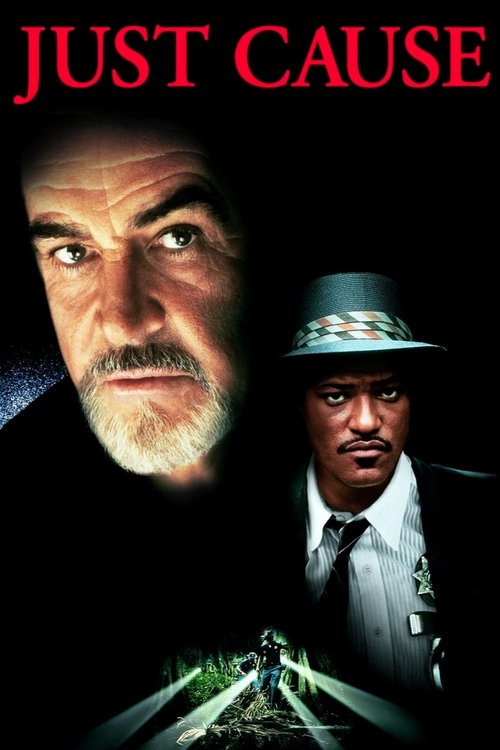
Just Cause operates as a mid-1990s legal thriller that uses a central murder case to explore racialized power dynamics. By focusing on a Black man's struggle against the death penalty, the film brings racial justice issues to the forefront. However, the film adheres to traditional genre clichés, especially concerning gender. The primary drivers of the plot are male-centric, and there is no explicit LGBTQ+ representation or multi-layered complexity. Despite this, it effectively critiques institutional authority through a conventional framework.
Category Breakdown
The film does not include any explicit LGBTQ+ characters or stories. The main plot revolves around a murder case and focuses on traditional interpersonal and systemic conflicts.
The story centers on a male professor and a male defendant. Female professionals might appear, but the primary drivers of the plot follow conventional male-centric structures.
The film highlights racial dynamics by focusing on a Black man facing the death penalty. It explores tensions between high-status institutions and systemic legal inequalities.
The narrative examines systemic corruption and the fallibility of Western judicial institutions. It questions the validity of previous convictions and the rigidity of the law.
There is no indication of disability, neurodivergence, or chronic illness affecting the character arcs or plot progression.
Present on Screen
Limited or Absent
Official Synopsis
A Harvard professor is lured back into the courtroom after twenty-five years to take the case of a young black man condemned to death for the horrific murder of a child.
1996

2004
1994
1989
1999
1983

1993

1989
No reviews yet. Be the first to share your thoughts on this movie!
Use the rating form above to leave a star rating and optional review.