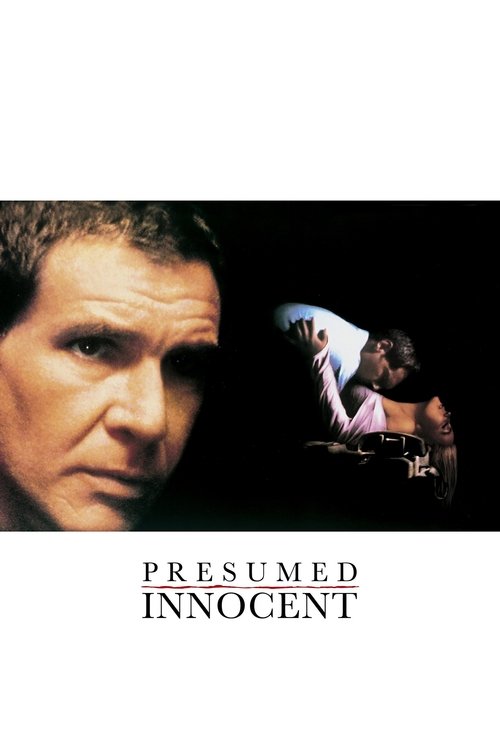
Presumed Innocent
1990
No user ratings available yet
Representation score: 1.6 out of 10
Representation Score
Fair
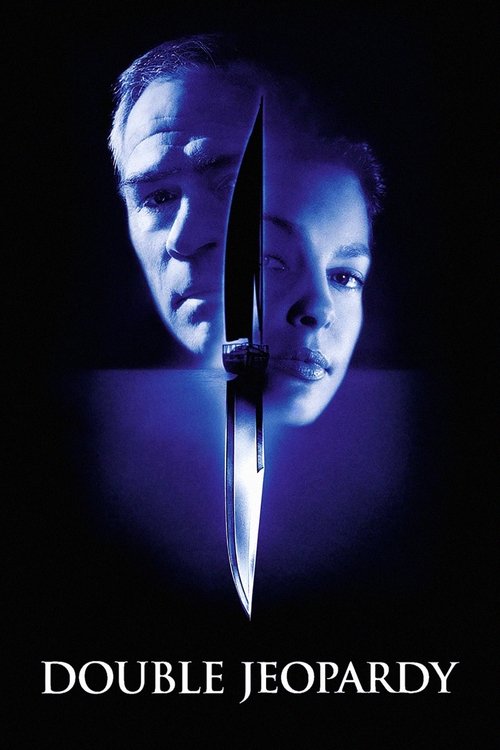
1999
RDirector
Bruce Beresford
Runtime
105 minutes
Average Rating
No ratings yetNew Showbiz Analysis
Double Jeopardy focuses on individual ability to act rather than broad demographic diversity. It successfully transforms a female protagonist from a passive victim into an active seeker of justice. However, the film remains confined to a narrow demographic, lacking significant racial, LGBTQ+, or disability representation. While it challenges traditional legal frameworks, it does not fully engage with broader cultural or identity-based diversity.
Category Breakdown
The film does not include any LGBTQ+ characters or non-cisgender identities. The main conflict revolves around a traditional marriage.
Libby Parsons breaks away from the 'damsel in distress' stereotype by rejecting passive roles. She is portrayed as intelligent and resourceful, taking charge of the plot.
The cast is predominantly white, focusing on a white protagonist and antagonist. The film does not engage with diverse racial or ethnic perspectives.
The story questions the reliability of Western legal systems. It portrays traditional institutions as potentially corrupt, justifying the protagonist's actions as a reclaiming of power.
The film does not significantly address visible or invisible disabilities. Characters are defined by their socio-legal status and psychological resilience.
Present on Screen
Limited or Absent
Official Synopsis
Libby Parsons, wrongly convicted of her husband Nick's murder, thinks he is still alive. She survives the long years in prison with two burning desires sustaining her -- finding her son and solving the mystery that destroyed her once-happy life. Standing between her and her quest, however, is her parole officer, Travis Lehman. Libby poses a challenge to the cynical officer, one that forces him to face up to his own failings while pitting him against his superior and law enforcement colleagues, as she plunges into a desperate fight for justice, survival, and revenge.
1990
1989
1999
2009
1995
2004

2002
1987
No reviews yet. Be the first to share your thoughts on this movie!
Use the rating form above to leave a star rating and optional review.