Cutter's Way
1981
No user ratings available yet
Representation score: 3.4 out of 10
Representation Score
Fair
1991
RDirector
Alan Rudolph
Runtime
104 minutes
Average Rating
No ratings yetNew Showbiz Analysis
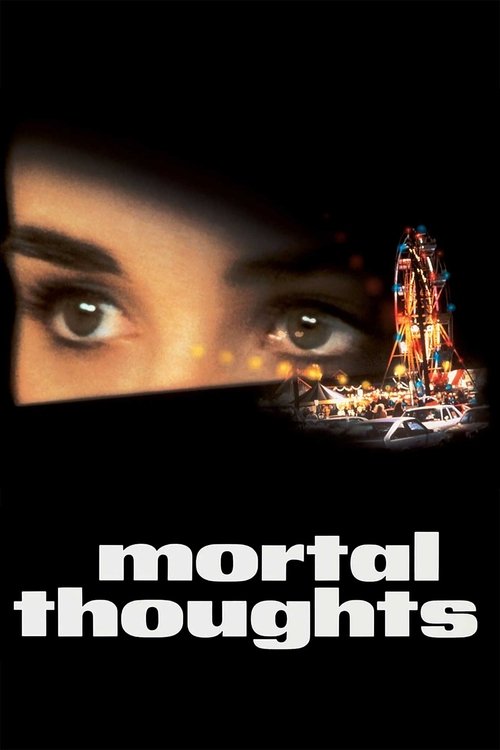
Mortal Thoughts operates as a character study that breaks down social norms rather than upholding them. It centers on the consequences of a dysfunctional, detestable man. However, the film is limited by a lack of demographic variety. It does not include visible LGBTQ+ representation or a diverse cast. Ultimately, the work emphasizes atmospheric, psychological complexity over explicit social inclusion, resulting in a score that highlights its thematic depth but narrows demographic scope.
Category Breakdown
The film does not include explicit references to LGBTQ+ identities or relationships that go beyond the assumption that everyone is straight or cisgender. The story revolves around personal conflicts and potential murder.
The film challenges traditional gender roles by showing the male protagonist as abusive and incompetent. Women like Joyce and Cynthia take on more significant roles in observing and potentially shaping the plot.
The cast follows a typical structure found in 1990s mystery-thrillers. There is no indication of a diverse or non-Anglo-Saxon majority cast.
The story avoids a single moral viewpoint, instead presenting a situation where ethical decisions depend on the circumstances. It criticizes traditional justice systems through a cynical, postmodern perspective on social order.
There are no characters with physical, neurodivergent, or mental health disabilities in the verified context.
Present on Screen
Limited or Absent
Official Synopsis
A loathsome man ends up dead, but it's not clear who's to blame. If ever a person got what he deserved, it's James Urbanksi, an abusive drunk who steals from his wife, Joyce, and promises her close friend Cynthia Kellogg that she'll be the next target of his rage. At a group outing, James bleeds to death after someone cuts his throat. But because he's such a terrible human being, police aren't sure which of his acquaintances decided to kill him.
1981
1973

1993
1983
1996

1986
1988
1955
No reviews yet. Be the first to share your thoughts on this movie!
Use the rating form above to leave a star rating and optional review.