Wild Things
1998
No user ratings available yet
Representation score: 3.7 out of 10
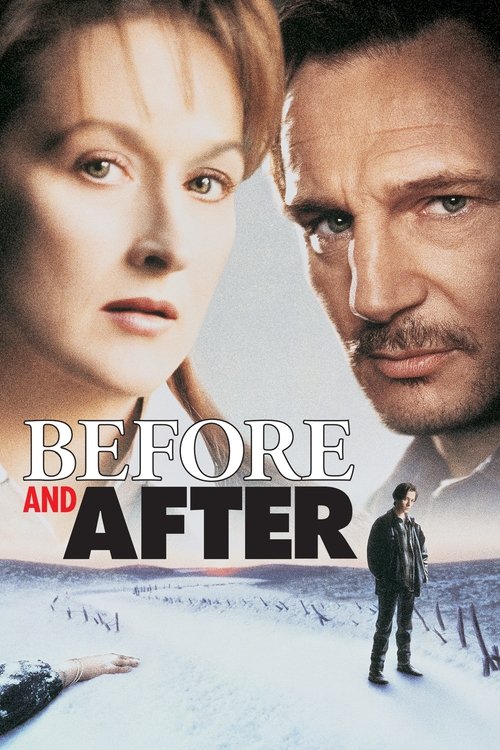
Representation Score
Fair
1996
PG-13Director
Barbet Schroeder
Runtime
108 minutes
Average Rating
No ratings yetNew Showbiz Analysis
Barbet Schroeder’s film is a sophisticated deconstruction of the crime genre, focusing on systemic issues rather than straightforward resolutions. It uses race and class as central themes to explore how societal structures impact legal outcomes. While it lacks representation for LGBTQ+ individuals and characters with disabilities, it avoids the clichés of traditional crime dramas by challenging simplistic moral answers.
Category Breakdown
The film focuses on traditional heterosexual families and does not include any non-straight or non-cisgender identities. It does not critique the assumption that everyone is straight or cisgender.
The film portrays women as active participants in the story rather than passive victims. It highlights their emotional resilience and ability to act in dealing with grief and trauma.
The story centers on the experiences of both Black and white families, examining how the legal system perpetuates systemic inequality and racial tension.
The film critiques the legal system as a flawed institution that favors certain classes. It suggests that truth can be subjective and influenced by systemic biases.
There is no significant evidence of characters with visible or invisible disabilities driving the narrative or serving as central plot points.
Present on Screen
Limited or Absent
Official Synopsis
Two parents deal with the effects when their son is accused of murdering his girlfriend.
1998
1989
2017
2001

2016
1999

2001
2020
No reviews yet. Be the first to share your thoughts on this movie!
Use the rating form above to leave a star rating and optional review.