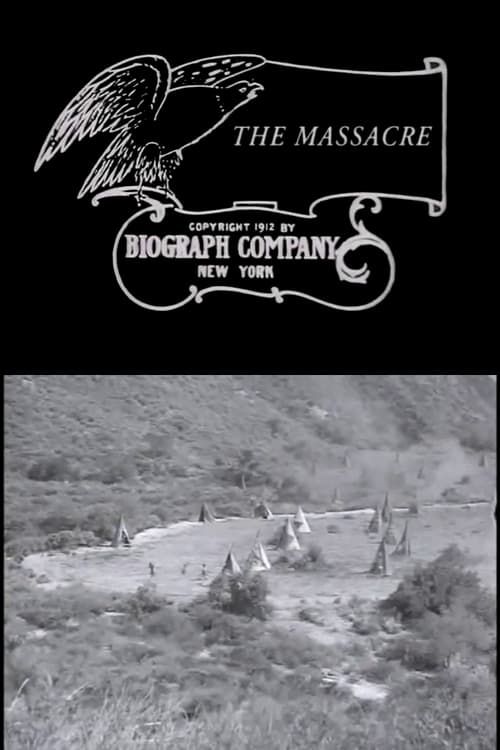
The Massacre
1912
No user ratings available yet
Diversity score: 1.6 out of 10
1908
Director
D.W. Griffith
Runtime
8 minutes
Average Rating
No ratings yetSynopsis
A Boer woman and her daughter are captured by Zulu warriors.
Overall Score
Limited
Category Breakdown
LGBTQ+ Representation
The film lacks any evidence of non-heteronormative identities. It adheres to the rigid social structures typical of early 20th-century cinema.
Gender Representation
Female characters serve as the emotional core but are defined by their vulnerability. The narrative positions the Boer woman and daughter as subjects needing rescue.
Racial & Ethnic Diversity
The story relies on a conflict between Boer settlers and Zulu warriors. This framework suggests a reliance on colonial-era tropes that frame indigenous groups as antagonists.
Religious & Cultural Diversity
The plot reinforces Western colonial narratives by prioritizing the protection of the settler family. It lacks any systemic or secular critique of the era's social order.
Disability Representation
There is no indication of characters with visible or invisible disabilities within the film.
Strengths
Areas for Improvement
AI Analysis
The Zulu's Heart is a product of its historical era, functioning primarily to reinforce traditional hierarchies and colonial-era social structures. The narrative architecture lacks intersectional complexity or any attempt to subvert established norms. While the film centers on female characters, they are depicted through a lens of passivity and peril. This reinforces traditional gender roles rather than presenting women as agents of power. Furthermore, the depiction of Zulu warriors suggests a reliance on 'othering' non-Western cultures. The film serves to uphold the sanctity of the Western family unit against an externalized threat.
1912
1913
1924
1903
1982
1973
1926
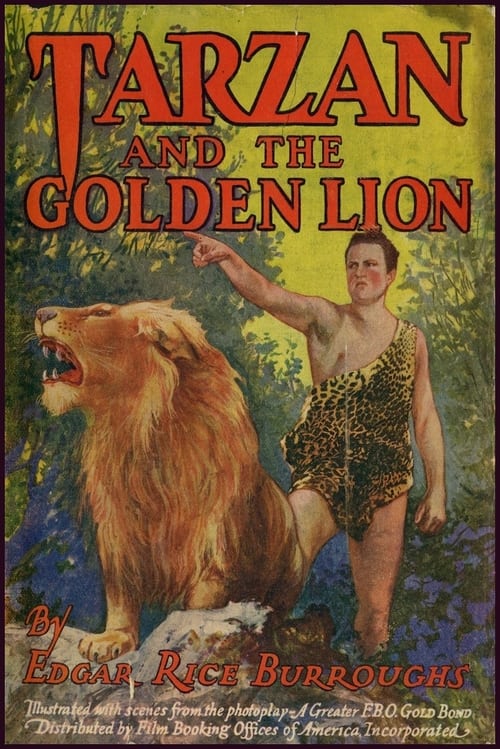
1927
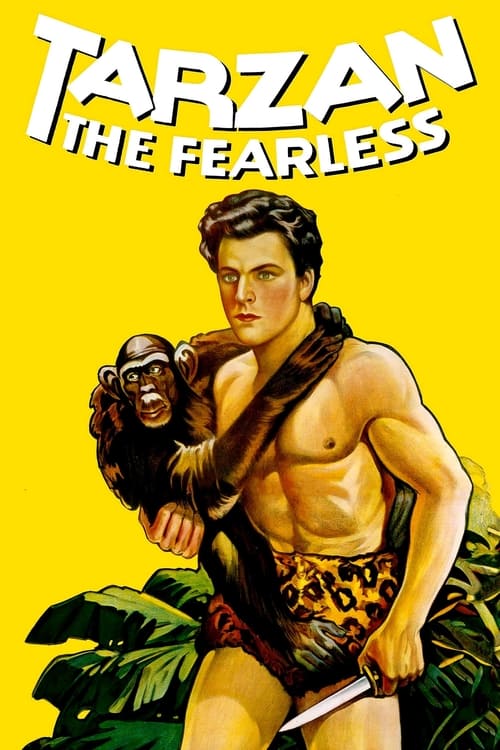
1933
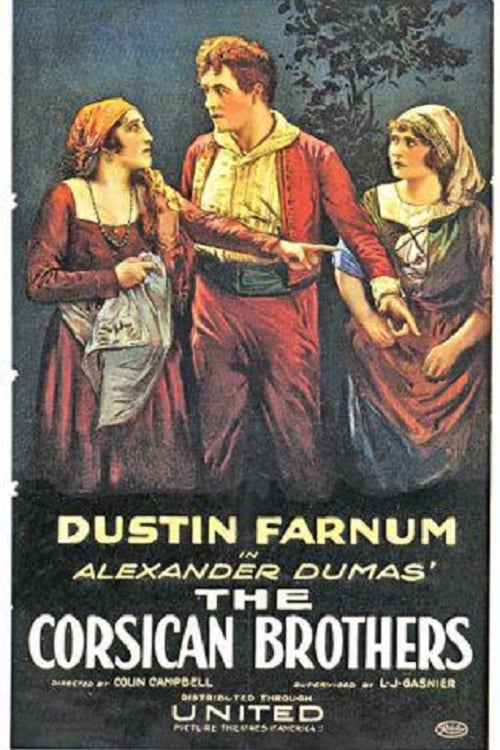
1920

1926
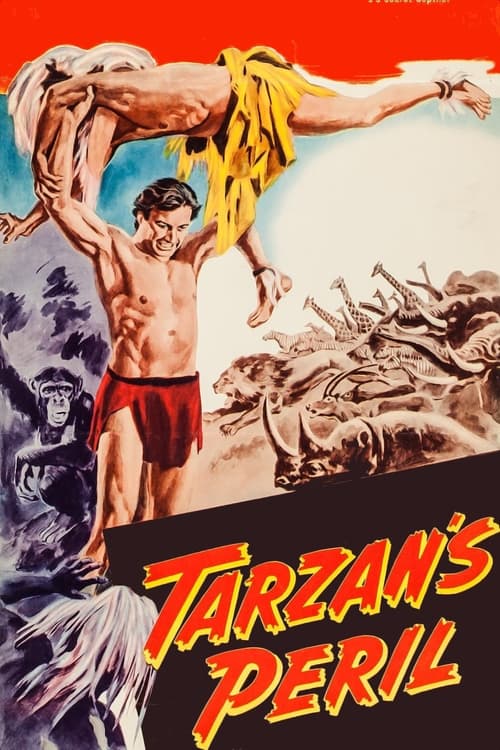
1951
No reviews yet. Be the first to share your thoughts on this movie!
Use the rating form above to leave a star rating and optional review.