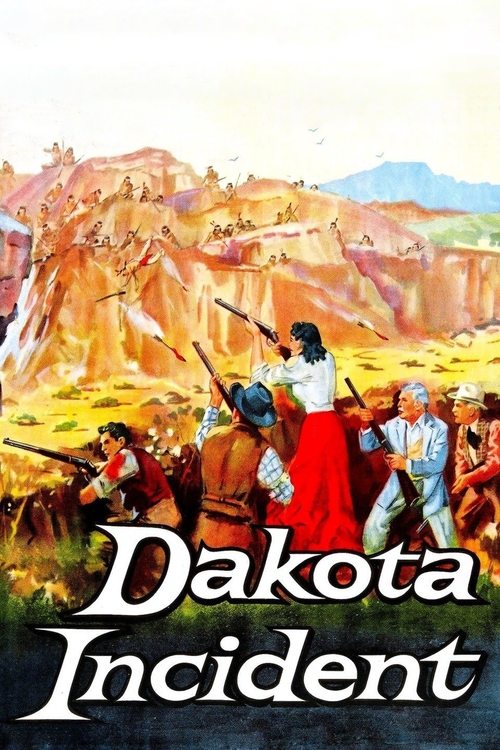
Dakota Incident
1956
No user ratings available yet
Representation score: 1.3 out of 10
Representation Score
Minimal
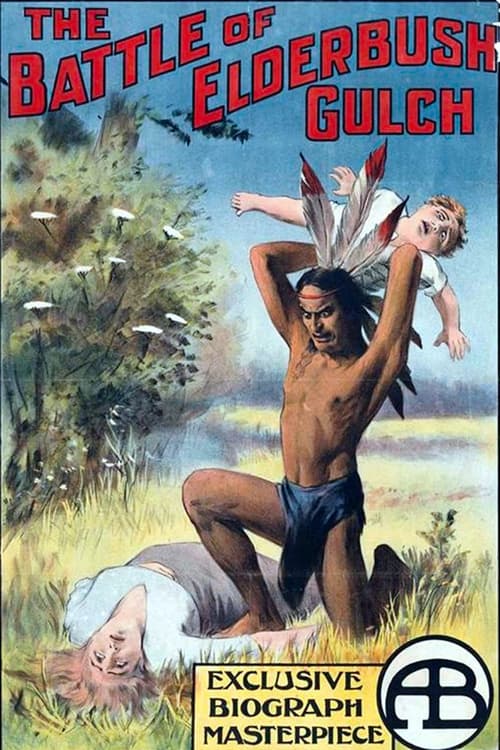
1913
NRDirector
D.W. Griffith
Runtime
29 minutes
Average Rating
No ratings yetNew Showbiz Analysis
This early Western film reinforces traditional social and racial hierarchies through a settler-colonial perspective. It prioritizes the survival of the white community, depicting Indigenous people as antagonists rather than complex individuals. Gender roles are strictly binary, with women serving as catalysts for male action rather than independent drivers of the plot. The film lacks complexity in representing diverse identities, functioning as a foundational text for conventional genre clichés. Ultimately, the film validates Western expansion by presenting the defense of the domestic unit against perceived external threats. It offers no challenge to the dominant social structures of the time.
Category Breakdown
The film contains no LGBTQ+ characters or queer relationships, sticking closely to the heterosexual norms of the early 20th-century frontier.
Women are portrayed as needing protection, often embodying the 'damsel in distress' cliché. Physical combat and leadership are reserved for male characters.
The story focuses on settlers, portraying Native Americans as external threats. White actors in makeup represent Indigenous peoples, lacking authenticity.
The film highlights the contrast between 'civilized' towns and the 'wild' frontier. It upholds the traditional family structure and the survivalist mindset of settlers.
There is no representation of disabilities, either visible or hidden. Characters are defined by their physical abilities needed for frontier life.
Present on Screen
Limited or Absent
Official Synopsis
Two young girls are sent away to live with their uncle, which sets off a chain of events resulting in an Indian attack on the town.
1956
1912
1956
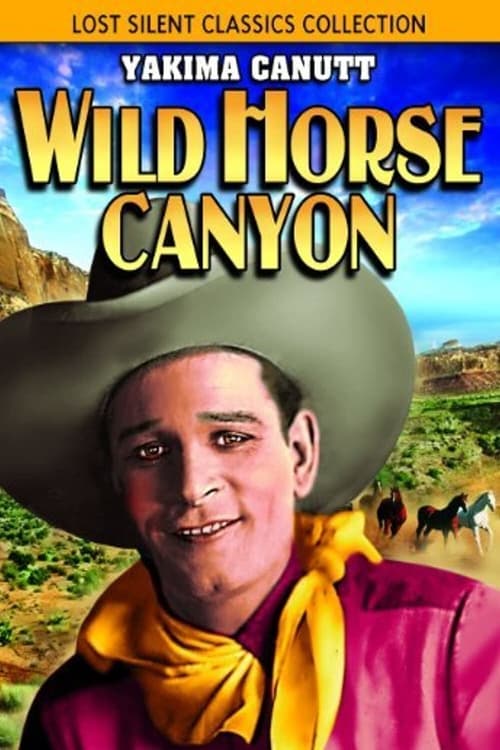
1925
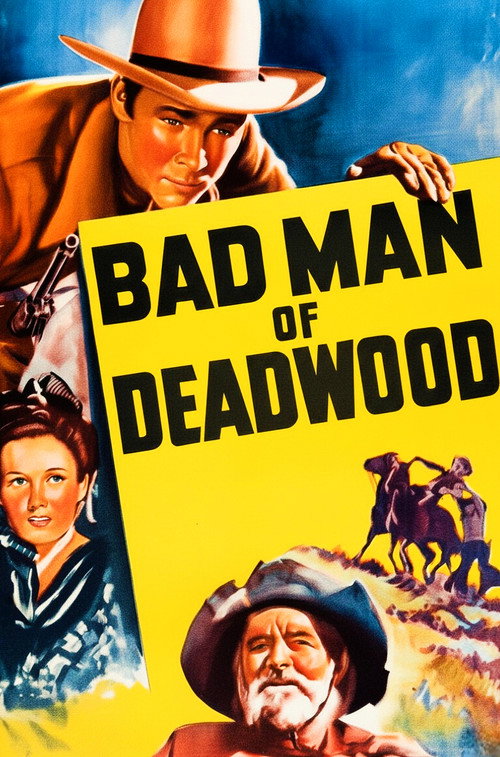
1941
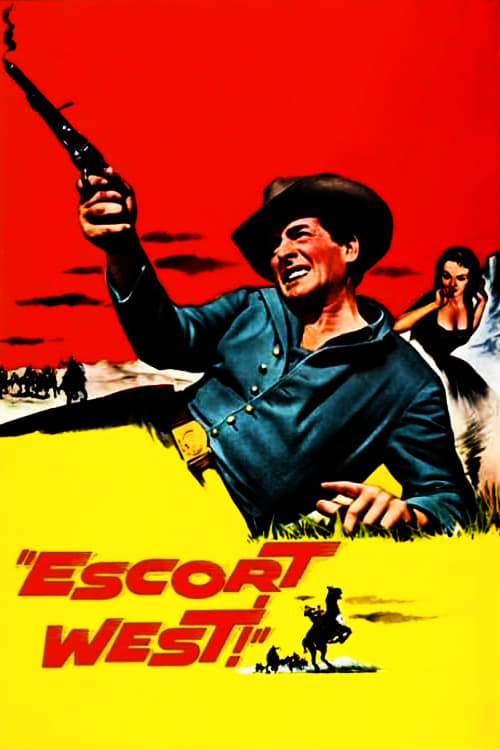
1959
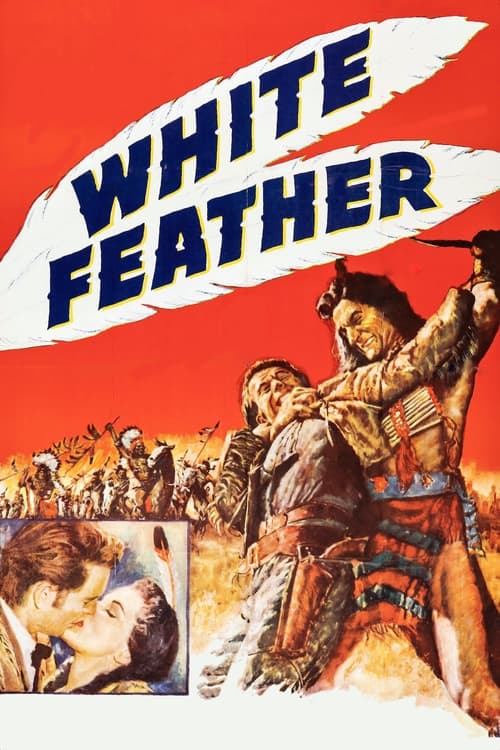
1955
1958
No reviews yet. Be the first to share your thoughts on this movie!
Use the rating form above to leave a star rating and optional review.