
The Lurking Peril
1919
No user ratings available yet
Representation score: 1.1 out of 10
Representation Score
Minimal
1920
PassedDirector
Colin Campbell
Average Rating
No ratings yetNew Showbiz Analysis
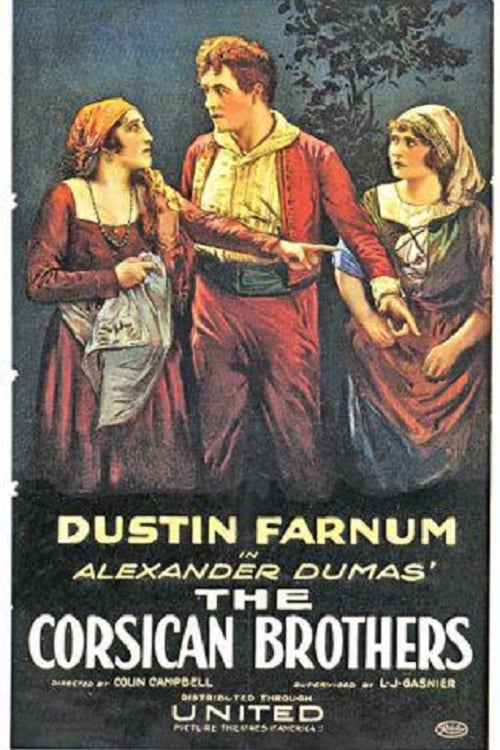
This silent era melodrama adheres strictly to the social and cinematic conventions of the early 20th century. The narrative structure is built on 19th-century romanticism and fraternal archetypes, reinforcing traditional social hierarchies. The film relies heavily on established masculine archetypes and straight-centered romantic structures, offering no disruption to the period's standard cinematic clichés. It focuses on themes of vengeance and familial loyalty, reflecting the historical constraints of its time. The production lacks characters who reflect more than one aspect of diversity, presenting a world defined by traditional Western clichés and homogeneous casting norms.
Category Breakdown
The film does not include any LGBTQ+ identities or queer subtext. The story focuses solely on the brotherly bond and romantic interests of female characters.
Female characters mainly serve as catalysts for male protagonists, acting as rivals or figures needing protection. The story emphasizes masculine control through revenge and duels.
The cast is predominantly white, consistent with the production standards of the 1920s and the European setting. There is no evidence of racial blending or deviation from homogeneous casting norms.
The narrative prioritizes Western clichés of honor, vengeance, and romantic melodrama. It uses Corsican settings to drive a plot centered on traditional 19th-century notions of justice.
No characters with visible or invisible disabilities are shown taking control of their own stories. The brothers' telepathic connection serves as a supernatural plot device rather than exploring neurodivergence.
Present on Screen
Limited or Absent
1919

1931

1926

1935

1937

1932
1930

1940
No reviews yet. Be the first to share your thoughts on this movie!
Use the rating form above to leave a star rating and optional review.