White Light/Black Rain: The Destruction of Hiroshima and Nagasaki
2007
No user ratings available yet
Representation score: 7.1 out of 10
Representation Score
Excellent
2010
Director
Hidetaka Inazuka
Runtime
53 minutes
Average Rating
No ratings yetNew Showbiz Analysis
The documentary stands out by challenging Western-centric historical narratives and offering a respectful, dignified portrayal of the long-term effects of radiation exposure. It centers a non-Western perspective, allowing a person of color to shape the historical understanding of the atomic bombings. While the film does not explicitly address LGBTQ+ or gender-challenging themes, it avoids perpetuating harmful stereotypes. Its strength lies in its layered approach to historical trauma and its critique of systemic institutional violence. Ultimately, the film succeeds as a compelling biographical exploration that goes beyond a simple recounting of history to critique the devastating outcomes of state-level military decisions.
Category Breakdown
The documentary does not specifically focus on LGBTQ+ identities or non-straight relationships. Instead, it centers on Yamaguchi's personal history and the broader impacts of nuclear warfare.
The narrative primarily highlights the male experience of Yamaguchi. While it does not challenge traditional gender roles, it avoids reinforcing patriarchal dominance by emphasizing shared human suffering.
The film offers a powerful reclamation of the Japanese perspective. By focusing on a non-Western survivor, it challenges the traditional Western-centric view of historical events.
The film critiques Western military dominance and the institutions that allow nuclear proliferation. It portrays the atomic strikes as a result of systemic failures in global power structures.
The film presents a nuanced look at the physical and mental health issues caused by radiation exposure. It handles Yamaguchi’s trauma with respect, avoiding sensationalism while documenting his experiences as a survivor of the atomic bombing.
Present on Screen
Limited or Absent
Official Synopsis
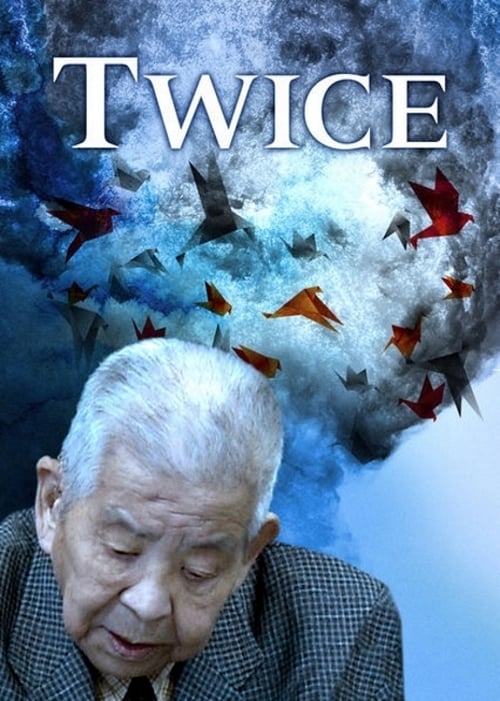
Tsutomu Yamaguchi is a hibakusha. A survivor of both atomic bomb blasts in 1945. First at Hiroshima, then again at Nagasaki. Now nearing 90, Yamaguchi finally speaks out. Breaking taboos of shame and sorrow, he responds to a call to fight for a world without nuclear weapons by telling his story, so that no one else will ever have to tell one like it again. Twice reconstructs Yamaguchi’s experiences in 1945 Japan, interviews him on the after-effects of exposure and documents the last five years of the late-blooming activist’s life.
2007
1989
1945
1983
2001
2015
2007
2016
No reviews yet. Be the first to share your thoughts on this movie!
Use the rating form above to leave a star rating and optional review.