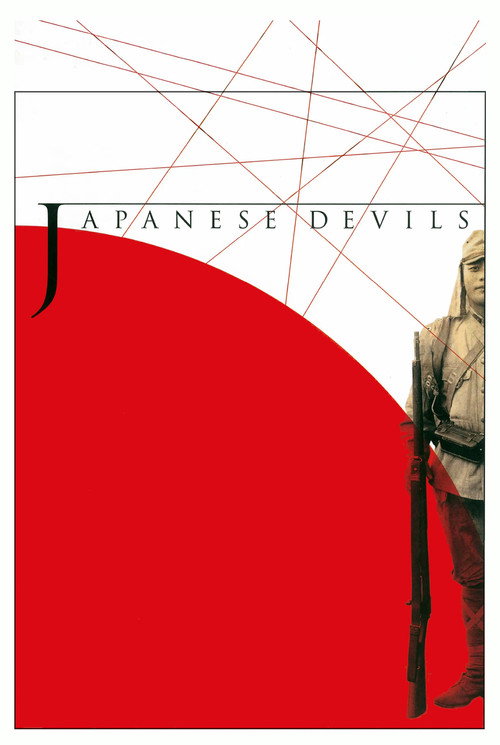
Japanese Devils
2001
No user ratings available yet
Representation score: 5.0 out of 10
Representation Score
Fair
1987
Not RatedDirector
Kazuo Hara
Runtime
122 minutes
Average Rating
No ratings yetNew Showbiz Analysis
Kazuo Hara’s documentary is a confrontational study of wartime accountability that prioritizes systemic critique over broad demographic representation. Its low scores in gender and LGBTQ+ representation stem from its narrow focus on the male-dominated military history of the New Guinea campaign. However, the film finds its strength in cultural representation. It functions as a powerful deconstruction of state-sanctioned history, challenging sanitized myths of Japanese nationalism through a raw, disruptive lens. While it lacks diverse racial or gender representation, the work succeeds as a moral inquiry into how institutions suppress truth. It trades traditional demographic variety for a deep, unsettling examination of institutional corruption.
Category Breakdown
The film focuses solely on the experiences of male Imperial Japanese Army veterans and does not include any LGBTQ+ characters or narratives addressing non-straight identities.
The narrative centers almost entirely on male characters, reflecting the historical military context. It explores male-to-male interactions without subverting traditional gender roles or providing much women's ability to drive the story.
The cast is ethnically uniform due to the specific historical context of the New Guinea campaign. It avoids whitewashing by presenting an unfiltered reality of Japanese military actions.
The film excels in deconstructing nationalistic myths and the Japanese state's official historical record. It critiques institutional structures that suppress truth and facilitate wartime atrocities.
The documentary addresses the psychological trauma and mental health of war survivors. These issues serve as a backdrop to the protagonist's pursuit of accountability.
Present on Screen
Limited or Absent
Official Synopsis
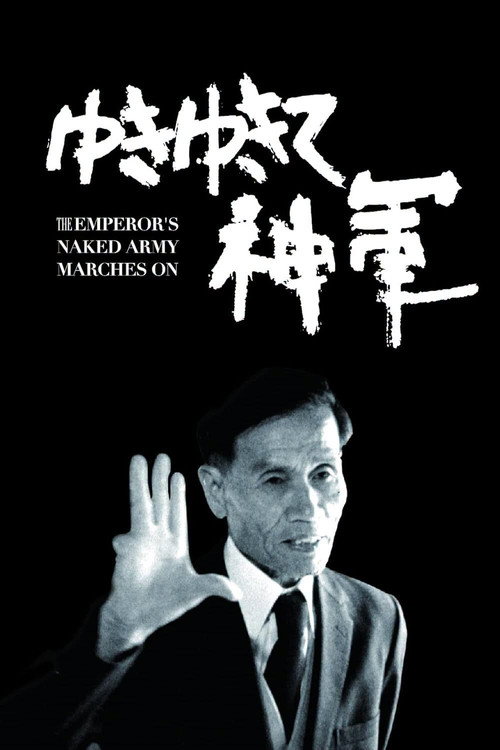
Kenzo Okuzaki, a 62-year-old veteran of the New Guinea campaign in World War II, sets out to conduct interviews with survivors and relatives to find the truth behind atrocities committed by Japanese military, in particular the unexplained killing of two Japanese privates in his unit.
2001
1998

1988
1985
2007

2008
2016

1996
No reviews yet. Be the first to share your thoughts on this movie!
Use the rating form above to leave a star rating and optional review.