
Save My Seoul
2017
No user ratings available yet
Diversity score: 7.7 out of 10
2012
Director
Gabriel Mascaro
Runtime
76 minutes
Average Rating
No ratings yetSynopsis
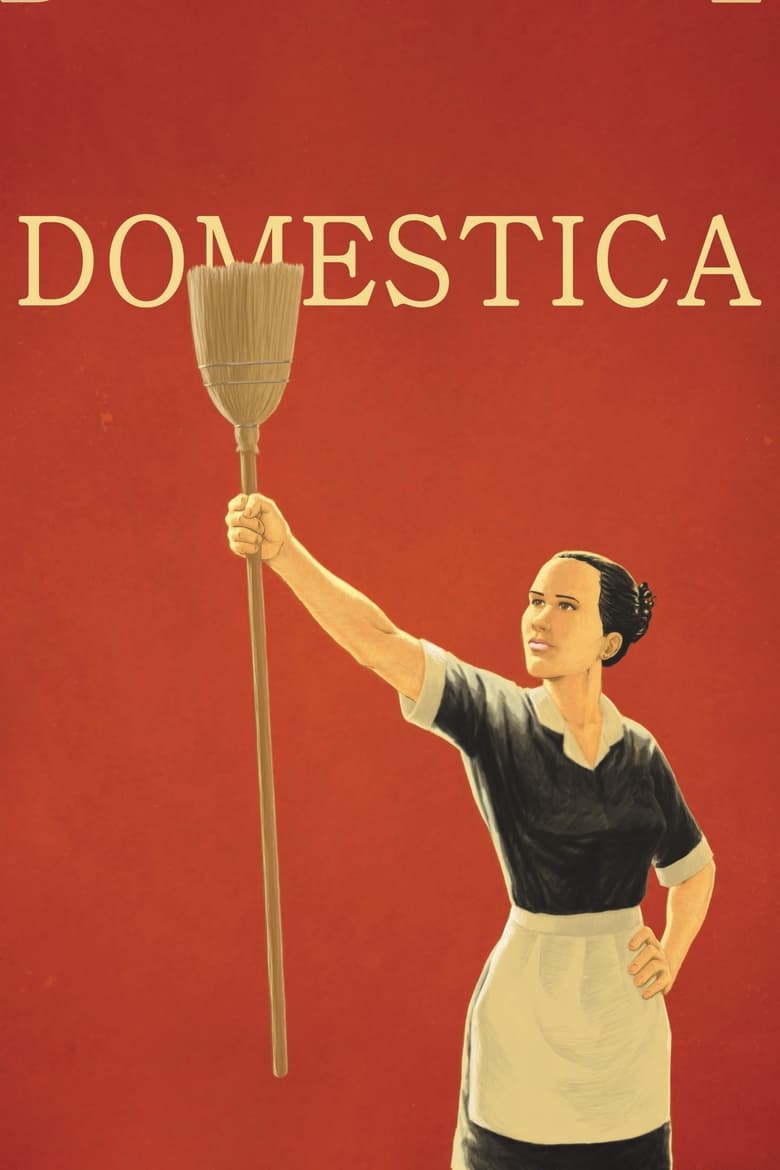
Seven adolescents take on the mission of filming, for one week, their family's housemaids and hand over the footage to the director to make a film. The images that confront us uncover the complex relationship that exists between housemaids and their employers, a relationship that confuses intimacy and power in the workplace and provides us with an insight into the echoes of a colonial past that linger in contemporary Brazil.
Overall Score
Excellent
Category Breakdown
LGBTQ+ Representation
The film does not center on explicit LGBTQ+ identities or romantic narratives. The focus remains primarily on class and racial dynamics rather than queer-coded subtext.
Gender Representation
The narrative disrupts traditional hierarchies by centering the invisible, repetitive labor of women. It critiques patriarchal structures that rely on female subservience to maintain upper-class comfort.
Racial & Ethnic Diversity
The film provides a profound analysis of racialized power dynamics. It examines how Brazil’s colonial past manifests in the relationship between white employers and Black domestic staff.
Religious & Cultural Diversity
The work serves as a rigorous critique of capitalist structures and the traditional colonial family unit. It deconstructs the sanctity of the private household through a post-colonial lens.
Disability Representation
There is no significant evidence regarding the portrayal of visible or invisible disabilities. The film's primary lens is socioeconomic rather than focused on physical or neurodivergent impairment.
Strengths
Areas for Improvement
AI Analysis
Gabriel Mascaro’s documentary uses a participatory method to expose the friction between private intimacy and systemic labor exploitation. By tasking adolescents with filming their housemaids, the film uncovers the complex power dynamics within the Brazilian domestic sphere. The film excels at deconstructing colonial and capitalist hierarchies. It prioritizes the agency of marginalized workers, offering a sophisticated critique of how systemic power operates within the modern household. While the film is a powerful tool for social interrogation, it lacks specific focus on LGBTQ+ identities or disability representation, keeping its scope strictly on class and race.
2017
2019

1983
2019

2017

2026
2010

2024

2006

2013
2006

2010
No reviews yet. Be the first to share your thoughts on this movie!
Use the rating form above to leave a star rating and optional review.