Crabbin' in the Cabin
1948
No user ratings available yet
Representation score: 0.4 out of 10
Representation Score
Minimal
1944
ApprovedDirector
Jules White
Runtime
18 minutes
Average Rating
No ratings yetNew Showbiz Analysis
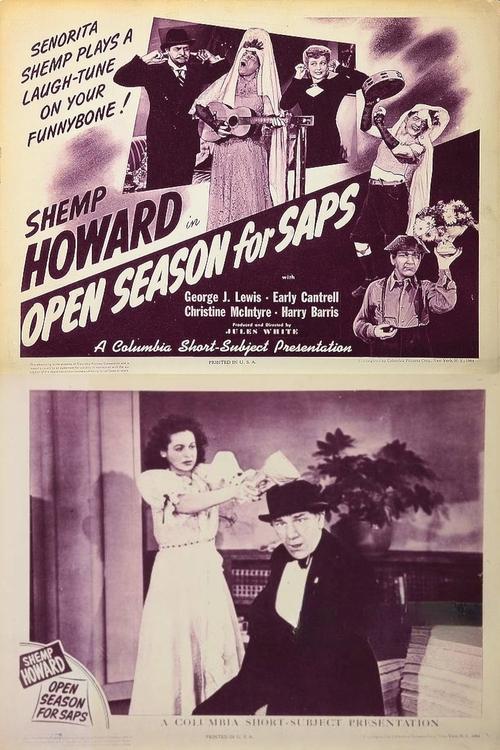
Open Season for Saps is a product of the 1940s studio system, prioritizing high-energy slapstick over social nuance. The comedy is derived from interpersonal friction within a very standard, traditional social framework. The film relies heavily on established archetypes and cultural stereotypes. While it includes ethnic characterization through Ricardo, it lacks the depth required to move beyond mid-century clichés. Ultimately, the narrative reinforces conventional hierarchies and straight-centered structures, offering little disruption to the social norms of its era.
Category Breakdown
The film centers on heterosexual relationships, such as honeymoons and fiancé/fiancée dynamics. It does not include any non-binary gender identities or critiques of the assumption that everyone is straight or cisgender.
The movie relies on traditional gender stereotypes, featuring a jealous wife and a temperamental male. These archetypes drive the plot without giving women much control over their own lives.
The character Ricardo is portrayed with a 'Latin temperament,' which leans into period-specific stereotypes of the passionate ethnic outsider rather than providing nuanced identity.
The story follows mid-century Western social norms, emphasizing marriage and domestic stability. It reinforces traditional family structures through its comedic themes.
There is no mention of visible or invisible disabilities being depicted in the film.
Present on Screen
Limited or Absent
Official Synopsis
After his wife complains about the number of nights Woodcock (Shemp Howard) spends at the Hoot Owl Lodge, he takes her on a belated honeymoon. The first person they meet is lodge member Joe Wilson, who asks Woodcock to help him retrieve some ill-advised letters to lovely hotel guest Irene (Christine McIntyre). Woodcock soon finds himself caught between his jealous wife, and Irene's Latin-tempered fiancee Ricardo.
1948
1941
1945
1945
1947
1958
1943
1953
No reviews yet. Be the first to share your thoughts on this movie!
Use the rating form above to leave a star rating and optional review.