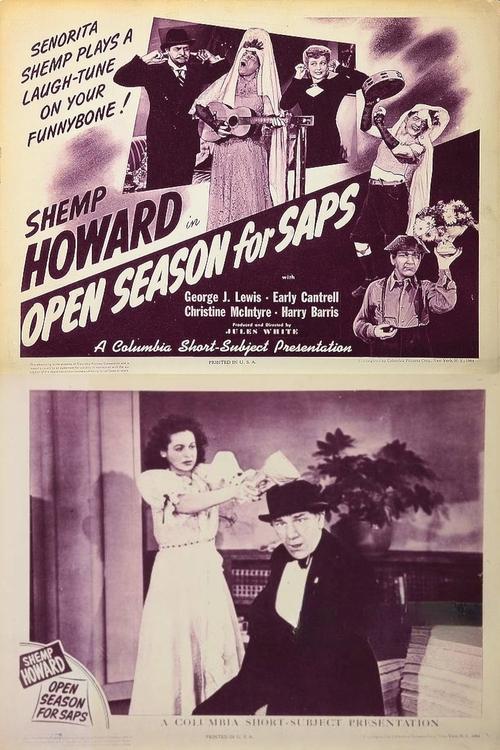
Open Season for Saps
1944
No user ratings available yet
Diversity score: 2.6 out of 10
1944
NRDirector
Jules White
Runtime
18 minutes
Average Rating
No ratings yetSynopsis
Its suspected that a society matron, Mrs. Van Bustle, will marry the exotic Prince Shaam. To get the story, reporters Curly, Larry and Moe take jobs in her mansion as a cook and two butlers. The parrot climbing into the turkey scene is a Stooge classic. This was the last of many Stooge appearances by supporting actor Bud Jamison, who passed away in September, 1944, at the age of 50. First appearance by Stooge supporting actress Judy Malcolm.
Overall Score
Limited
Category Breakdown
LGBTQ+ Representation
The film lacks LGBTQ+ characters or narratives. The plot focuses on a traditional marriage prospect between a socialite and a prince, adhering to conventional 1940s romantic structures.
Gender Representation
Gender roles follow mid-century tropes, with the female lead defined by her social status and marriageability. The male protagonists occupy service roles, driving comedy through slapstick rather than subverting hierarchies.
Racial & Ethnic Diversity
The inclusion of Prince Shaam relies on 'exotic' descriptors, suggesting a use of Orientalist tropes. The character's agency is tied to his role as a romantic interest for a socialite.
Religious & Cultural Diversity
The setting reinforces traditional Western social hierarchies and domestic spheres. The narrative focuses on social status and journalistic pursuits rather than critiquing Western institutions or values.
Disability Representation
There is no mention of characters with visible or invisible disabilities. The film does not provide information to support a meaningful score in this category.
Strengths
Areas for Improvement
AI Analysis
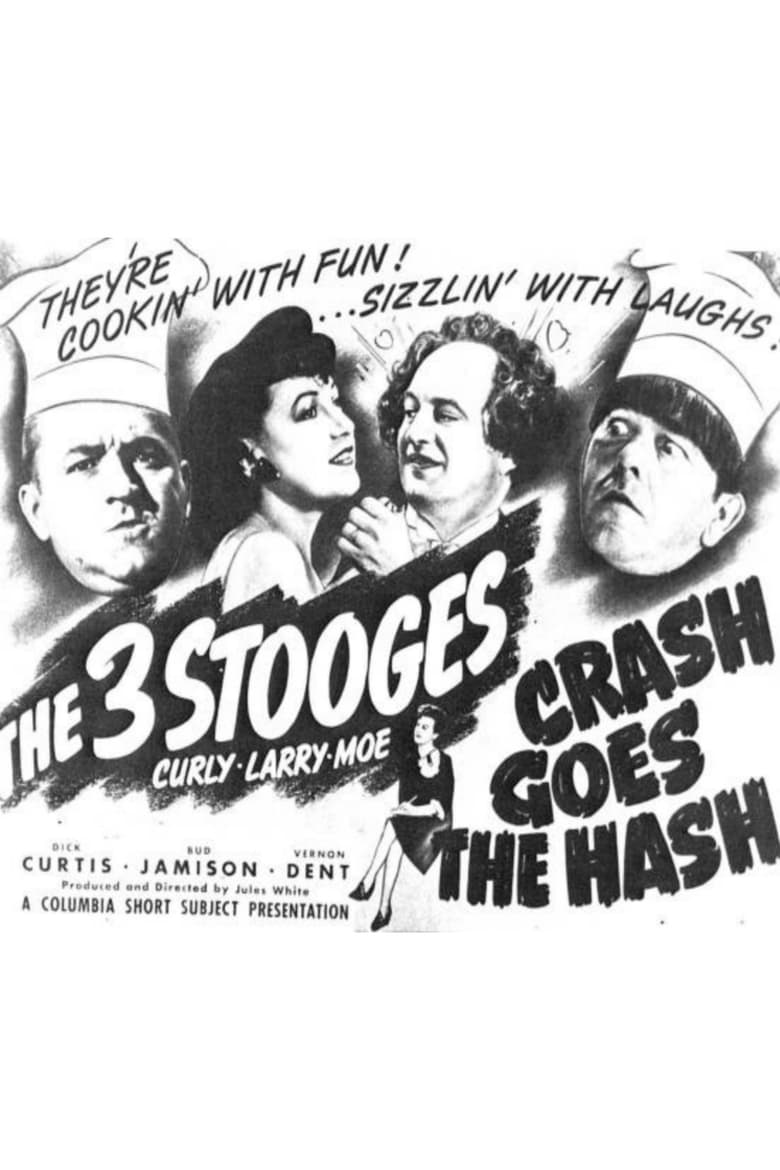
Crash Goes the Hash is a standard mid-century slapstick comedy that prioritizes physical gags over social depth. The narrative relies heavily on the era's established social structures and comedic conventions. While the film introduces non-Western elements through Prince Shaam, it does so using period-typical tropes rather than nuanced characterization. The gender dynamics and social hierarchies remain firmly within the traditional frameworks of 1944. Ultimately, the film functions as a product of its time, lacking intentionality regarding intersectional representation or the subversion of systemic norms.
1944
1942
1948
1950
1952
1946
1956
1944
1939
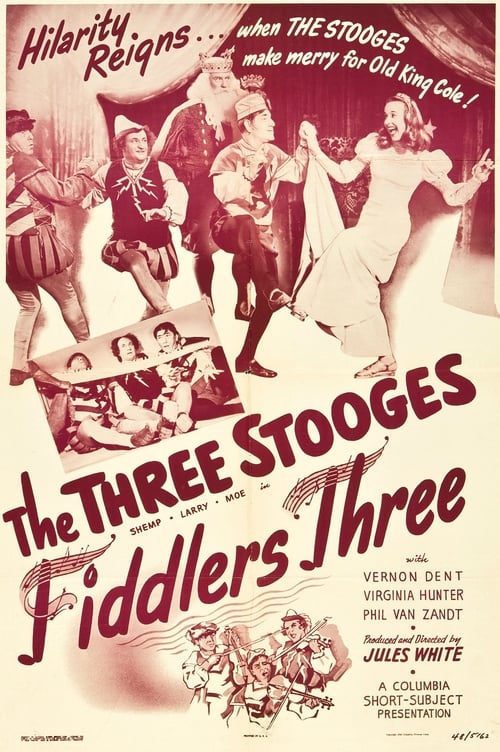
1948
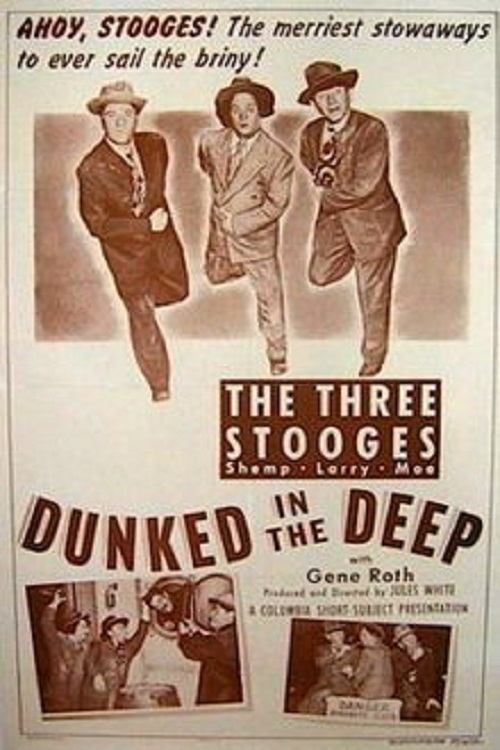
1949
1952
No reviews yet. Be the first to share your thoughts on this movie!
Use the rating form above to leave a star rating and optional review.