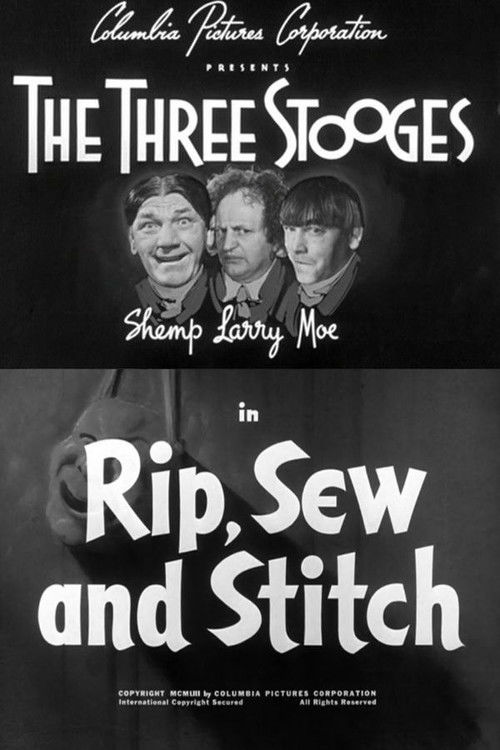
Rip, Sew and Stitch
1953
No user ratings available yet
Representation score: 2.7 out of 10
Representation Score
Minimal
1953
NRDirector
Jules White
Runtime
16 minutes
Average Rating
No ratings yetNew Showbiz Analysis
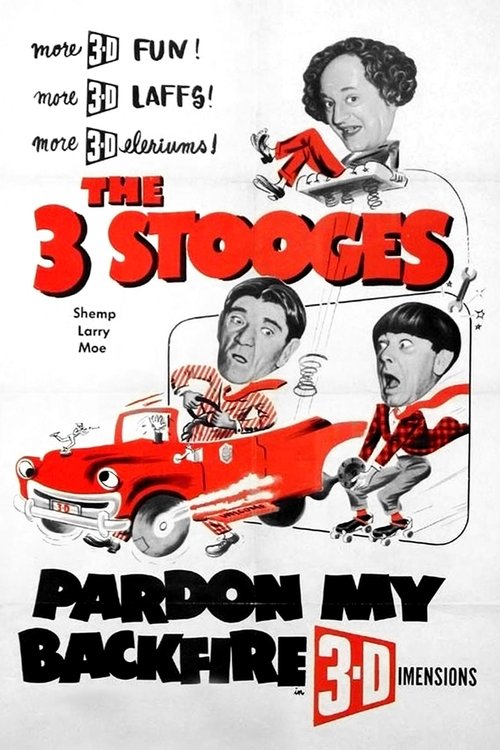
Pardon My Backfire is a classic mid-century slapstick comedy that prioritizes physical humor over social commentary. The narrative structure relies heavily on traditional masculinity, with the Three Stooges driving the action to achieve domestic milestones. The film operates within a very narrow social framework. It reinforces the era's gender roles and assumptions about heterosexual relationships, positioning women as passive motivations rather than active participants in the story. Ultimately, the work reflects the demographic and cultural homogeneity of 1950s American cinema. It lacks intentionality regarding diverse representation, focusing instead on formulaic physical comedy and conventional social hierarchies.
Category Breakdown
The film follows the heterosexual norms of the 1950s. The story centers on the protagonists' desire to marry women, with no suggestion of same-sex relationships.
Men drive the plot through their pursuit of financial security. Women play supporting roles as sweethearts waiting for the men's success.
The film likely mirrors the demographic norms of 1950s studio comedies. There is no indication of intentional diverse casting.
The story highlights traditional Western values such as law enforcement and achieving social milestones. It follows a standard heroic comedy formula centered on social achievements.
There is no evidence of characters with physical or neurodivergent disabilities being central to the plot or used for mockery.
Present on Screen
Limited or Absent
Official Synopsis
The stooges are auto mechanics who need money so they can marry their girls. When some escaped convicts pull into their garage, the boys manage to capture them and use the reward money to marry their sweethearts. It appears to be an early attempt at 3D with the closeups and effects used.
1953
1952
1944
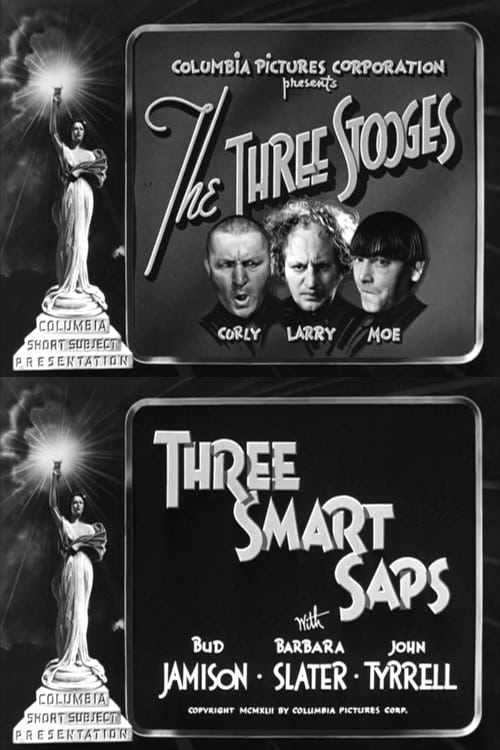
1942

1957
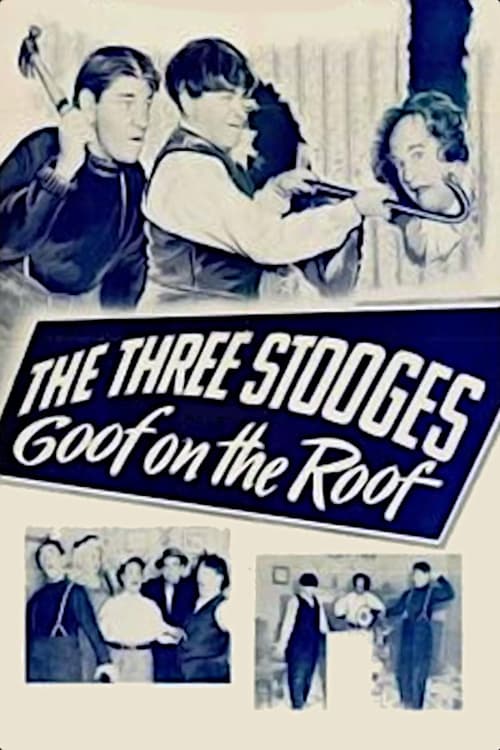
1953
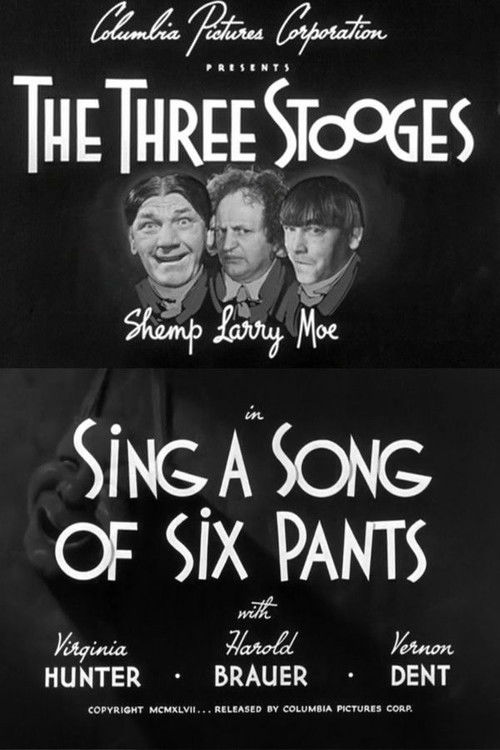
1947
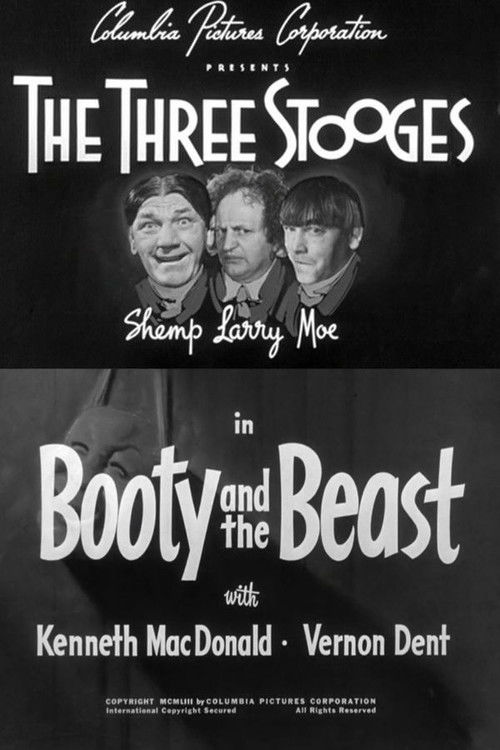
1953
No reviews yet. Be the first to share your thoughts on this movie!
Use the rating form above to leave a star rating and optional review.