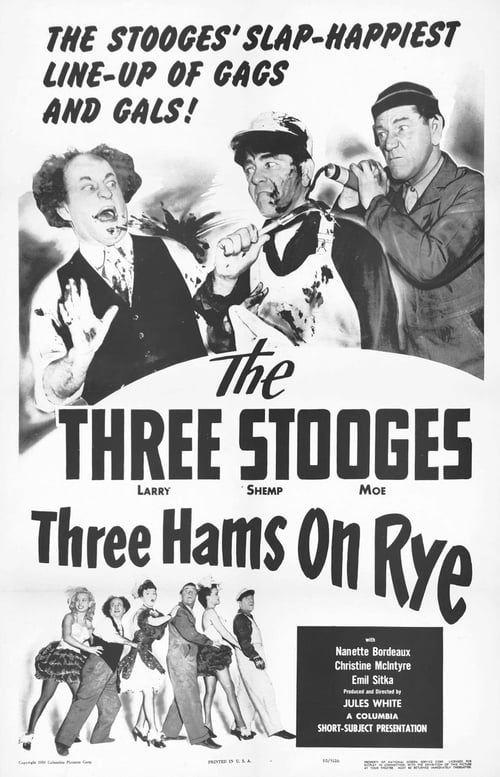
Three Hams on Rye
1950
No user ratings available yet
Diversity score: 2.6 out of 10
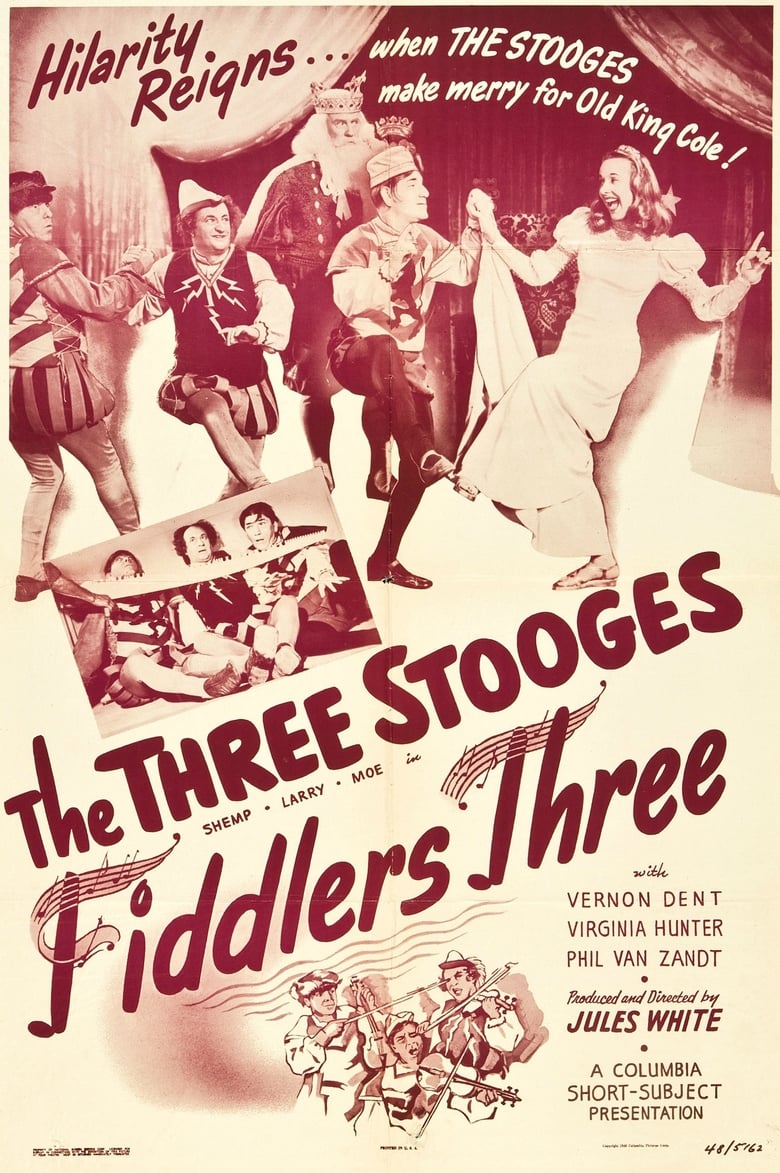
1948
Director
Jules White
Runtime
17 minutes
Average Rating
No ratings yetSynopsis
The stooges are musicians at the court of King Cole. When they ask the king's permission to marry their sweethearts, the King agrees, but only after Princess Alicia has married Prince Valiant. This news upsets Mergatroyd, an evil magician who plans to marry the Princess himself and rule the Kingdom. Mergatroyd abducts the Princess, and it's up to the stooges to foil his plans and expose his evil doings.
Overall Score
Limited
Category Breakdown
LGBTQ+ Representation
The film follows a conventional romantic structure centered on heterosexual marriage. There is no evidence of non-cisnormative identities or narratives that challenge heteronormativity.
Gender Representation
Female characters like Princess Alicia function primarily as plot catalysts or prizes to be won. They occupy passive roles within a traditional hierarchy rather than acting as agents of their own destiny.
Racial & Ethnic Diversity
The Western-centric fairy tale setting defaults to a homogeneous cast. The film adheres to the standard demographic norms and casting practices of 1948 Hollywood.
Religious & Cultural Diversity
The narrative reinforces traditional Western institutions like monarchy and the nuclear family. It presents a binary morality that supports the preservation of the existing social order.
Disability Representation
While the Stooges utilize physical clumsiness for slapstick, there is no evidence of characters with specific disabilities portrayed with agency or as central narrative elements.
Strengths
Areas for Improvement
AI Analysis
Fiddlers Three is a product of its era, relying on established mid-century comedic structures and archetypes. The plot is driven by physical slapstick and traditional fairy tale tropes rather than social commentary or complex character development. The film reinforces a singular, traditional morality and standard Western social hierarchies. It lacks intersectional complexity, focusing instead on a binary struggle between good and evil within a monarchical setting. Ultimately, the production adheres to the demographic and narrative norms of 1948, offering little in the way of diverse representation or nuanced worldview.
1950
1946
1939
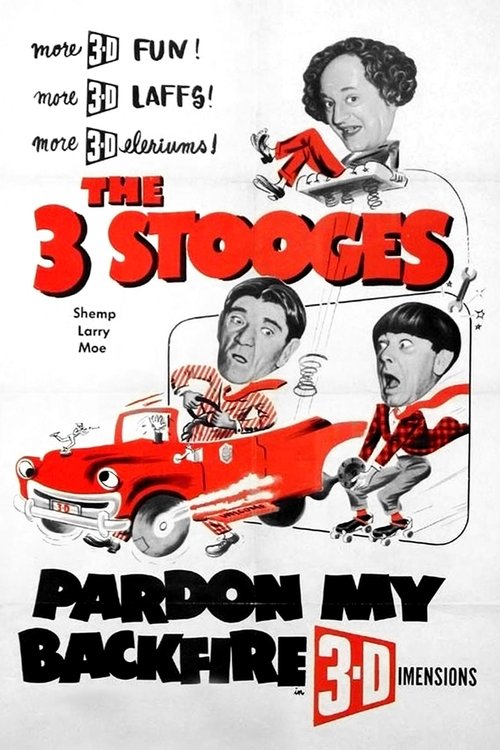
1953
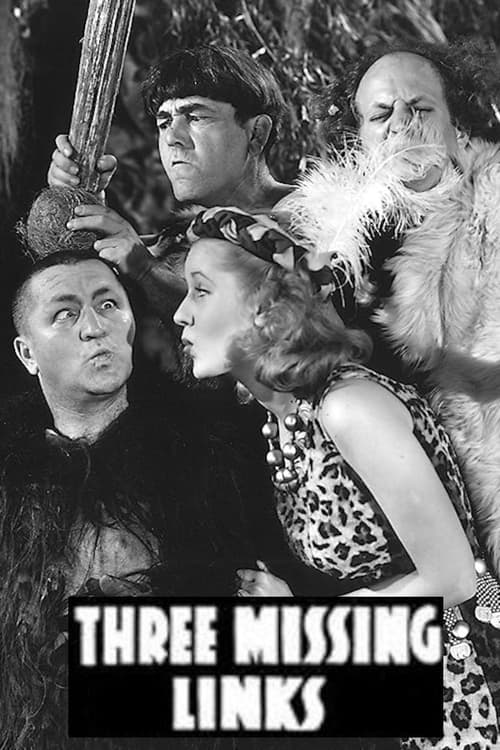
1938
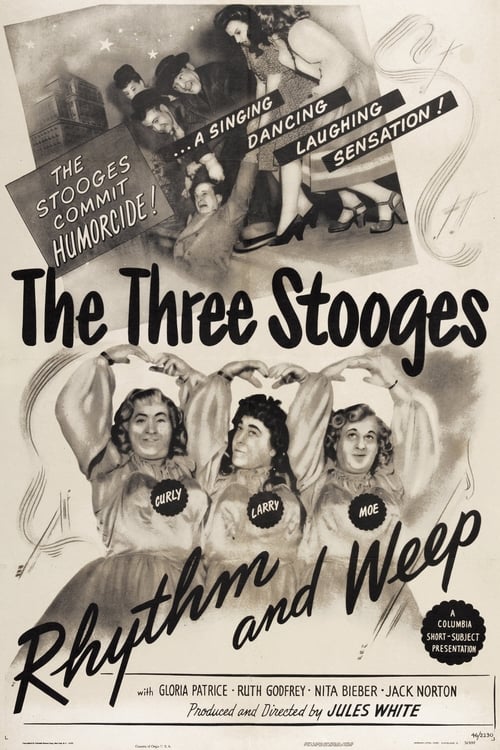
1946
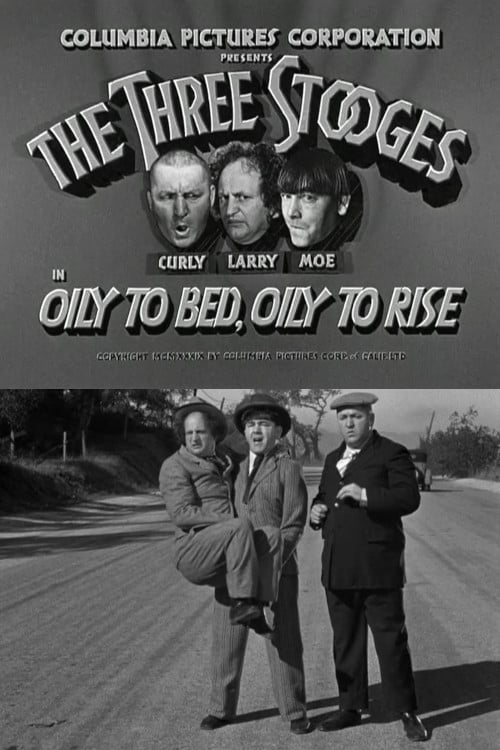
1939
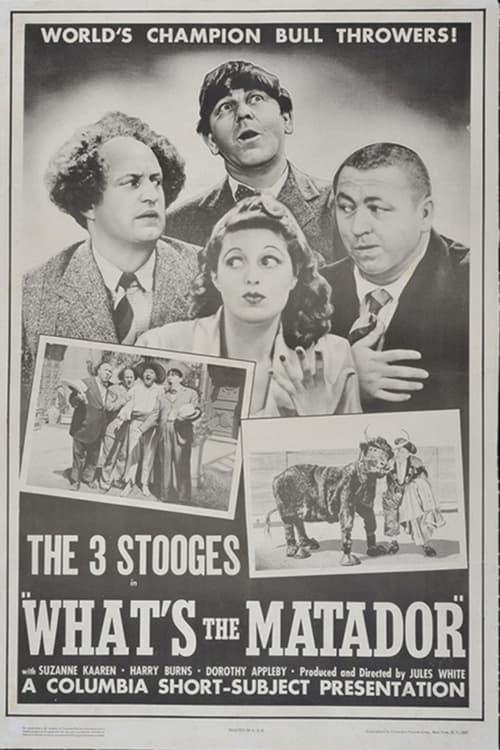
1942
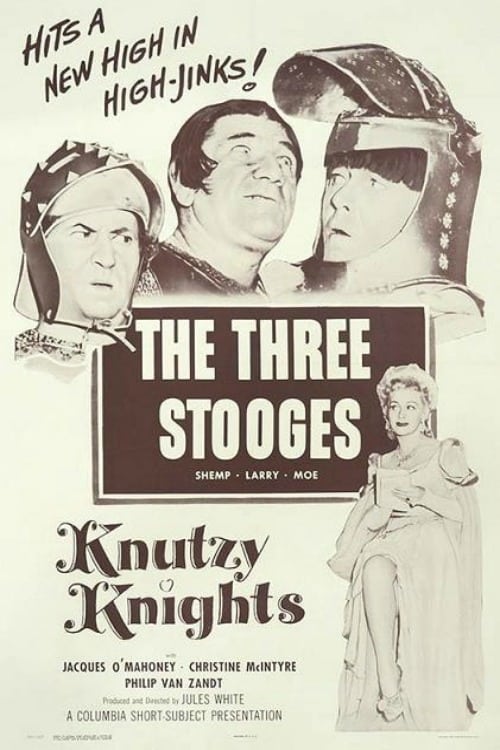
1954
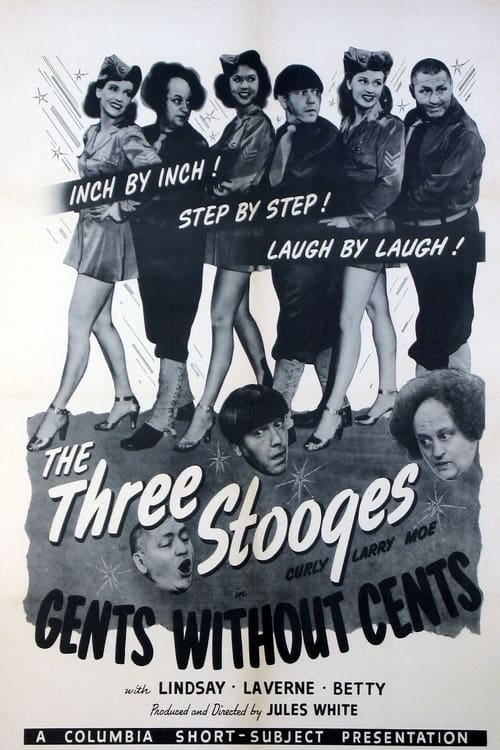
1944
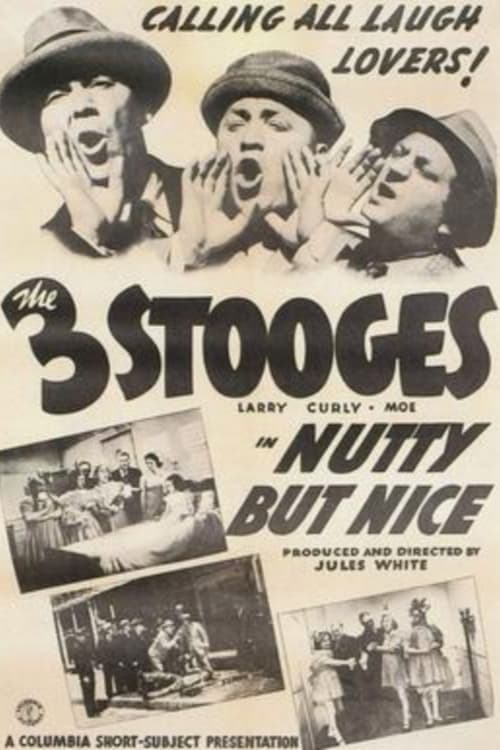
1940
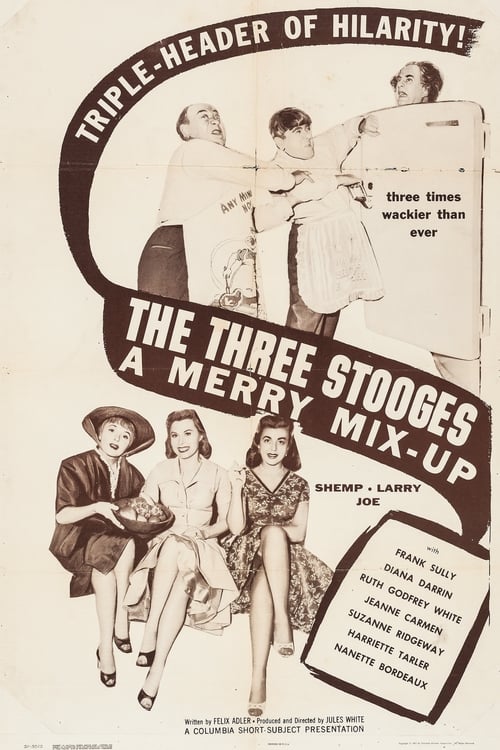
1957
No reviews yet. Be the first to share your thoughts on this movie!
Use the rating form above to leave a star rating and optional review.