The Eroticist
1972
No user ratings available yet
Representation score: 1.7 out of 10
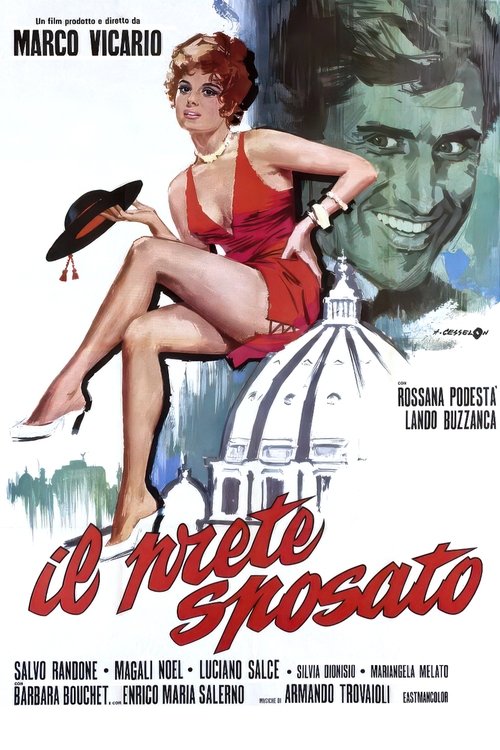
Representation Score
Limited
1970
RDirector
Marco Vicario
Runtime
98 minutes
Average Rating
No ratings yetNew Showbiz Analysis
The film operates as a period-specific social comedy that prioritizes the deconstruction of clerical stability. It finds its strength in challenging religious institutionalism through the lens of individual influence and humanistic impulses. However, the work lacks modern markers of diversity. The narrative is limited by a lack of LGBTQ+ and racial diversity, adhering to the demographic constraints of its era. Ultimately, the film achieves a moderate score by embracing situational ethics and subverting traditional religious authority, even while relying on conventional romantic formulas.
Category Breakdown
The film focuses on the tension between religious vows and heterosexual desire. There is no evidence of queer narratives or non-assuming gender matches what was assigned at birth identities present.
Women in the high bourgeoisie exert significant social and sexual influence over the priest. However, female characters remain largely tied to traditional clichés of sexual attraction.
The story centers on a culturally specific, white Mediterranean setting. It reflects the demographic homogeneity of 1970s Italy without presenting a multi-ethnic cast.
The narrative deconstructs the absolute authority of the Catholic Church by framing human desire against religious dogma. It uses moral relativism to critique institutional rigidity.
There is no discernible evidence regarding the portrayal of physical or neurodivergent disabilities in this work.
Present on Screen
Limited or Absent
Official Synopsis
A young Sicilian priest who moved to Rome comes into contact with the high bourgeoisie and receives a lot of sexual attention.
1972
1969
1975
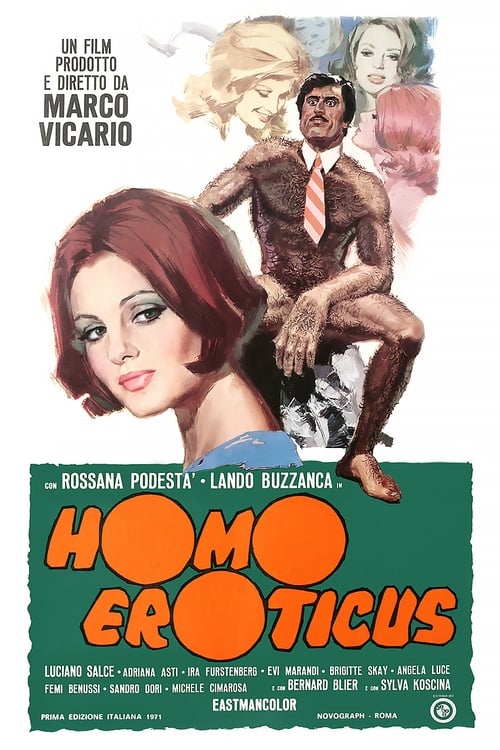
1971
1976
1975

1974
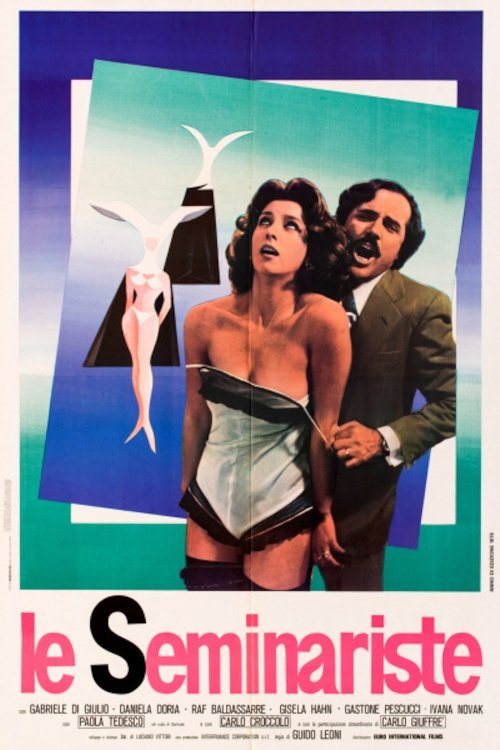
1976
No reviews yet. Be the first to share your thoughts on this movie!
Use the rating form above to leave a star rating and optional review.