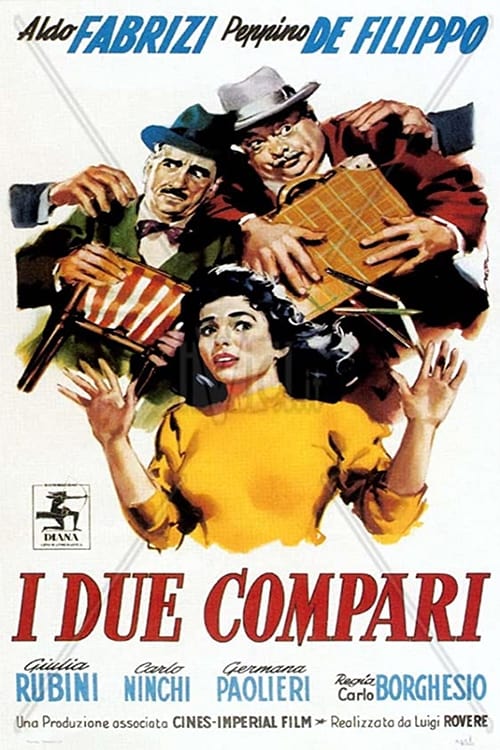
I due compari
1955
No user ratings available yet
Representation score: 1.3 out of 10
Representation Score
Limited
1949
Director
Luigi Comencini
Runtime
82 minutes
Average Rating
No ratings yetNew Showbiz Analysis
The film functions as a social satire using a comedy of errors to critique the superficiality of class distinctions. By focusing on a waiter's accidental rise to aristocracy, it questions the permanence of social hierarchies. While the film introduces non-European elements through an Arab Prince, these are used primarily as plot devices rather than deep cultural studies. Gender dynamics rely on traditional clichés, particularly the gold-digger archetype, which confines female characters to roles of economic opportunism.
Category Breakdown
The film does not include any LGBTQ+ characters or non-straight identities. The story revolves around a conventional romantic misunderstanding between a husband and a woman.
Female characters are portrayed through the gold-digger archetype, limiting their roles to economic opportunism. However, the main female character's mistake drives the plot forward.
The story features an exoticized Arab Prince, serving mainly as a plot device for mistaken identity rather than a detailed cultural exploration.
The film examines social mobility by showing a working-class waiter rise to princely status. This challenges traditional Italian class structures and suggests social roles are fluid.
The narrative does not depict any visible or invisible disabilities. The story focuses on class mobility and mistaken identity.
Present on Screen
Limited or Absent
Official Synopsis
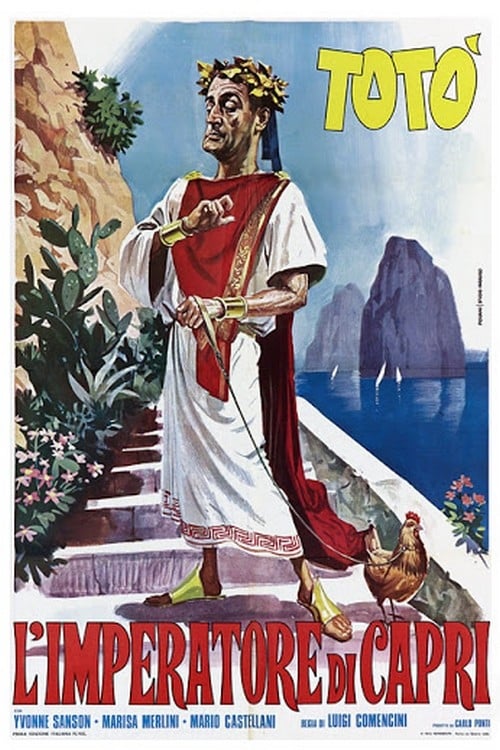
Beautiful gold-digger Sonia mistakes Antonio, a waiter in a Neapolitan hotel, for Arab Prince Bey of Agapur and makes an appointment with him for the following day in Capri, and Antonio goes there behind the backs of his wife and mother-in-law. A lucky series of circumstances actually does transform him into the prince of the island.
1955

1952

1958
1955
1953
1964
1958
1957
No reviews yet. Be the first to share your thoughts on this movie!
Use the rating form above to leave a star rating and optional review.