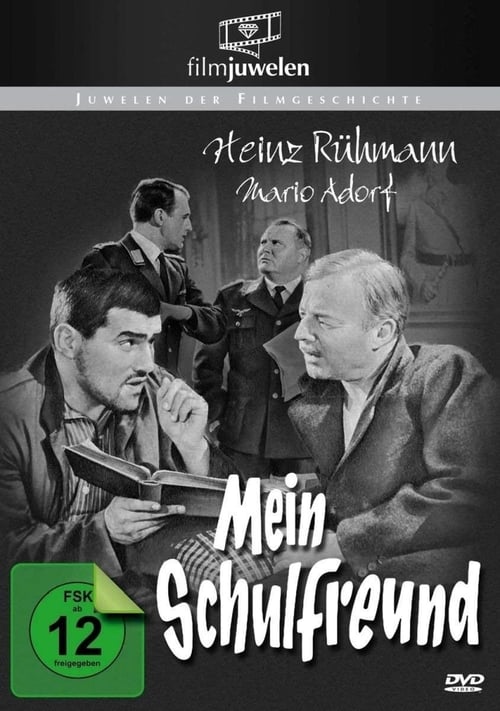
Mein Schulfreund
1960
No user ratings available yet
Representation score: 4.8 out of 10
Representation Score
Fair
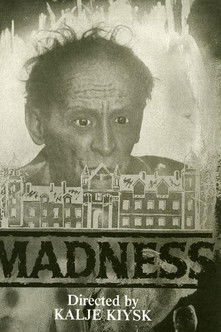
1969
Director
Kaljo Kiisk
Runtime
79 minutes
Average Rating
No ratings yetNew Showbiz Analysis
Madness (1969) is a period-specific suspense drama that prioritizes wartime espionage over social deconstruction. The narrative architecture relies on the tension between state authority and individual identity within a clinical environment. The film's focus remains on traditional conflict and military structures. While it engages with the concept of mental disability through its setting, it lacks the complexity needed to challenge modern social hierarchies. Ultimately, the production reflects the constraints of its era, favoring a suspense-driven plot over the exploration of diverse identities or postmodern moral relativism.
Category Breakdown
The film does not include any characters or stories related to LGBTQ+ identities. The plot centers around wartime espionage and clinical settings, without addressing gender or sexual orientation.
The story is driven by a male-dominated military and investigative team. The main roles are played by male characters, emphasizing traditional masculine leadership.
The cast likely reflects a homogeneous European population typical of the Estonian film industry and the WWII setting. There is no indication of diverse casting or metaphorical species.
The story examines institutional authority versus individual morality during wartime. It functions as a suspense drama focused on wartime ethics rather than critiquing systemic social structures.
Mental health is central to the plot, focusing on a mental hospital. However, it is unclear if patients have significant roles or merely serve as plot devices.
Present on Screen
Limited or Absent
Official Synopsis
Before the end of the Second World War, a special commando marches into a mental hospital located in a beautiful manor house to eliminate the patients. But the Gestapo has received an anonymous letter saying that an enemy agent is hiding among the madmen. Officer Windisch is tasked with finding a simulant among several hundred mental patients in a matter of days.
1960
1971

1999
1942

1997

1975
1960
1963
No reviews yet. Be the first to share your thoughts on this movie!
Use the rating form above to leave a star rating and optional review.