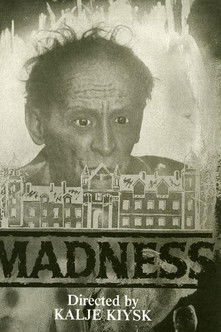
Madness
1969
No user ratings available yet
Representation score: 4.8 out of 10

Representation Score
Fair
1960
Director
Robert Siodmak
Runtime
94 minutes
Average Rating
No ratings yetNew Showbiz Analysis
Robert Siodmak’s drama is a focused character study that prioritizes psychological and institutional critique over demographic variety. It succeeds by centering on the individual's fight against systemic labels, particularly regarding mental health and state authority. However, the film's scope is narrow. It lacks representation for LGBTQ+ identities and racial diversity, reflecting the historical and geographic limitations of its WWII-era German setting. The narrative is heavily centered on male-driven political and social struggles. Ultimately, the film's strength lies in its ability to deconstruct the morality of established social structures. It uses the protagonist's struggle to question the stability of institutional justice and the definition of sanity.
Category Breakdown
The film does not include any LGBTQ+ characters or narratives. The story focuses on the protagonist's political history and his struggle against state institutions.
The narrative centers on male-driven political structures and the consequences of male-dominated political systems. It does not significantly challenge traditional gender hierarchies or feature women in non-traditional roles.
The setting reflects the demographic homogeneity of WWII-era Germany. The plot prioritizes internal German social and political dynamics over diverse racial or ethnic backgrounds.
The film offers a sophisticated critique of institutional authority and moral relativism. It challenges how the state defines sanity and justice within a corrupt political climate.
The story provides a nuanced look at mental health and the stigma of being declared incompetent. It explores how society sidelines individuals through systemic labels.
Present on Screen
Limited or Absent
Official Synopsis
In the midst of World War II, postman Ludwig Fuchs writes a letter to his former school friend Field Marshal Hermann Göring, urging him to work for peace. He is declared mentally incompetent. After the war, he struggles to shake off the stigma of alleged mental illness. Göring is executed. Fuchs forces the court to examine him: he vandalizes the lobby of Post Office 122 in Munich and is rehabilitated (with full salary compensation for lost years).
1969

1975
1954
1953

1961

1999

1960
1945
No reviews yet. Be the first to share your thoughts on this movie!
Use the rating form above to leave a star rating and optional review.