
The Glorious Team Batista
2008
No user ratings available yet
Representation score: 7.4 out of 10
Representation Score
Good
1971
PG-13Director
Arthur Hiller
Runtime
103 minutes
Average Rating
No ratings yetNew Showbiz Analysis
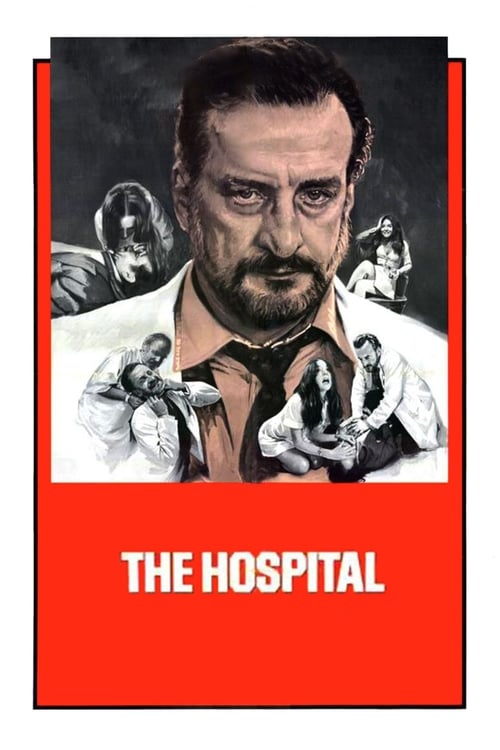
The Hospital serves as a sophisticated critique of institutions, using a metropolitan medical setting to explore the tension between personal morality and bureaucratic systems. It moves away from idealized, uniform environments to depict a fragmented, dehumanizing machine. While the film does not feature extensive demographic diversity, it gains progressive value through its thematic complexity. The narrative's skepticism towards established authority structures and its focus on systemic deconstruction offer intellectual depth. Ultimately, the film prioritizes the exploration of masculine crisis and institutional failure over the representation of diverse identities or the subversion of traditional gender hierarchies.
Category Breakdown
The film does not include explicit LGBTQ+ characters or stories that challenge traditional relationships. Instead, interpersonal dynamics focus on conventional family structures and workplace hierarchies.
The story centers on the mental breakdown of its male protagonist. Women appear in the hospital setting but mostly fulfill traditional social roles.
The film showcases a diverse urban medical staff and patient base. This offers a realistic, varied picture of a major city institution.
The film effectively questions Western institutional stability by criticizing the medical-industrial complex. It portrays the hospital as a corrupt and inefficient bureaucracy.
Illness plays a central role in the plot, but characters often act as catalysts for the protagonist's crisis. These characters frequently lack independent ability to act within the story.
Present on Screen
Limited or Absent
Official Synopsis
Dr. Bock, the chief of medicine at a Manhattan hospital, is suicidal after the collapse of his personal life. When an intern is found dead in a hospital bed, it appears to Bock to be a case of unforgivable malpractice. Hours later, another doctor, who happens to be responsible for another case of malpractice, is found dead. Despondent, Bock finds himself drawn to Barbara, the daughter of a comatose missionary.
2008
1977
1972
1978

1980
1996
1984

1955
No reviews yet. Be the first to share your thoughts on this movie!
Use the rating form above to leave a star rating and optional review.