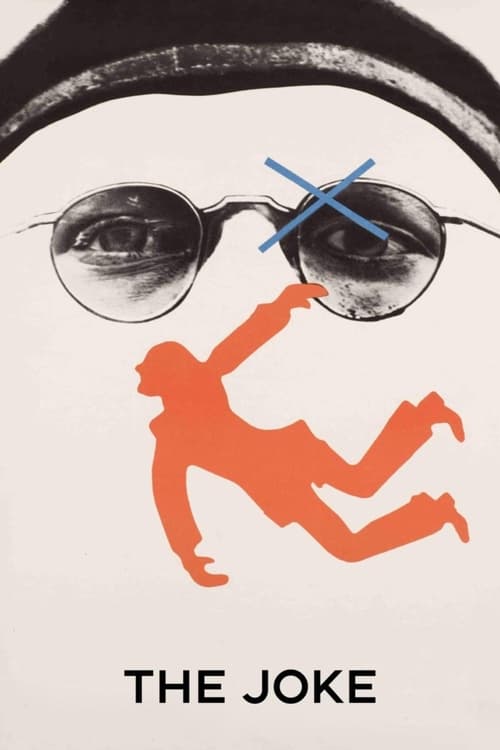
The Joke
1969
No user ratings available yet
Representation score: 2.1 out of 10

Representation Score
Good
1999
Not RatedDirector
Aleksei German
Runtime
147 minutes
Average Rating
No ratings yetNew Showbiz Analysis
Aleksei German’s work subverts traditional cinematic clichés through a fragmented, sensory-driven approach. The film rejects cohesive historical truths, opting instead for a postmodern, non-linear narrative that challenges standard storytelling structures. While the film lacks representation in several traditional categories, it finds strength in its narrative structure. It deconstructs the concept of a heroic history, replacing it with a complex, morally relative worldview. The film's value lies in its refusal to provide simplistic binaries of justice, instead focusing on the breakdown of law and the fragility of social norms during geopolitical transition.
Category Breakdown
The film focuses on the visceral, survivalist realities of post-war occupation. There is no documented evidence of LGBTQ+ characters or identities that challenge the assumption that everyone is straight or cisgender.
Women are shown in states of profound vulnerability and exhaustion, reflecting systemic trauma. Gender roles are subsumed by the chaos of a collapsing social order.
The narrative explores ethnic and national tensions between Soviet occupiers and the German populace. It highlights complex power dynamics within a displaced, multi-ethnic landscape.
The film excels in critiquing traditional institutions and religious structures. It presents a world where social order is rendered ineffective by the exigencies of war.
Characters with disabilities appear primarily as markers of pervasive trauma and physical devastation. They lack independent control over their situations, serving instead as indicators of environmental and social decay.
Present on Screen
Limited or Absent
Official Synopsis
Military doctor General Klenski is arrested in Stalin's Russia in 1953 during an anti-Semitic political campaign accused of being a participant in so-called "doctors' plot".
1969
2011
2002
1985
1985
1989
1990
1991
No reviews yet. Be the first to share your thoughts on this movie!
Use the rating form above to leave a star rating and optional review.