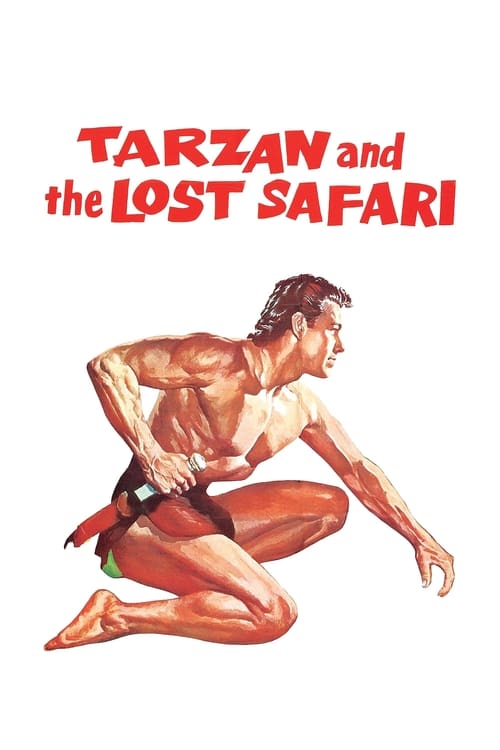
Tarzan and the Lost Safari
1957
No user ratings available yet
Representation score: 0.6 out of 10
Representation Score
Minimal
1947
ApprovedDirector
Kurt Neumann
Runtime
72 minutes
Average Rating
No ratings yetNew Showbiz Analysis
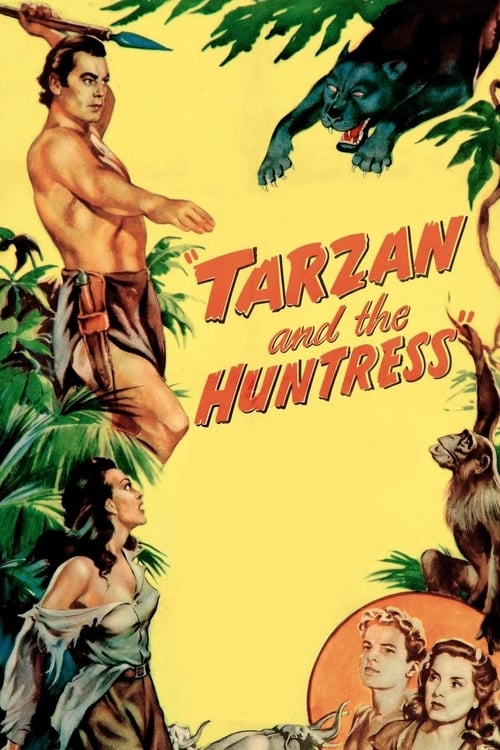
Tarzan and the Huntress is a typical mid-century adventure film that adheres closely to colonialist and gendered clichés of its time. While it offers a slight evolution in female characterization through Tanya, it fails to engage with broader social complexities. The film functions primarily as a Western-centric narrative where the African landscape is treated as a resource to be managed. This perspective limits the ability to act of indigenous characters and reinforces established power hierarchies. Ultimately, the work lacks depth in representing multiple aspects of diversity, providing a traditional viewing experience that avoids challenging systemic social structures.
Category Breakdown
There are no identifiable LGBTQ+ characters or non-cisgender identities in the film. The social dynamics follow the traditional gender binary of the 1940s.
Tanya provides a moderate departure from passive female roles by being a capable participant in the jungle. However, she remains tied to aesthetic requirements and does not challenge masculine leadership.
The cast is predominantly white, reflecting colonial perspectives of the era. The African setting is used as a backdrop for Western protagonists rather than a place for indigenous people to have ability to act.
The narrative upholds traditional Western structures and focuses on the goals of Western explorers. It lacks any critique of Western institutions or secular priorities.
There are no characters with visible or invisible disabilities in the story. There are also no depictions of neurodivergence or physical impairments.
Present on Screen
Limited or Absent
Official Synopsis
A shortage of zoo animals after World War II brings beautiful animal trainer Tanya, her financial backer and her cruel trail boss to the jungle. After negotiating a quota with the native king, they take more animals than allowed. Tarzan intervenes.
1957
1936
1946
1939
1945

1954
1953

1949
No reviews yet. Be the first to share your thoughts on this movie!
Use the rating form above to leave a star rating and optional review.