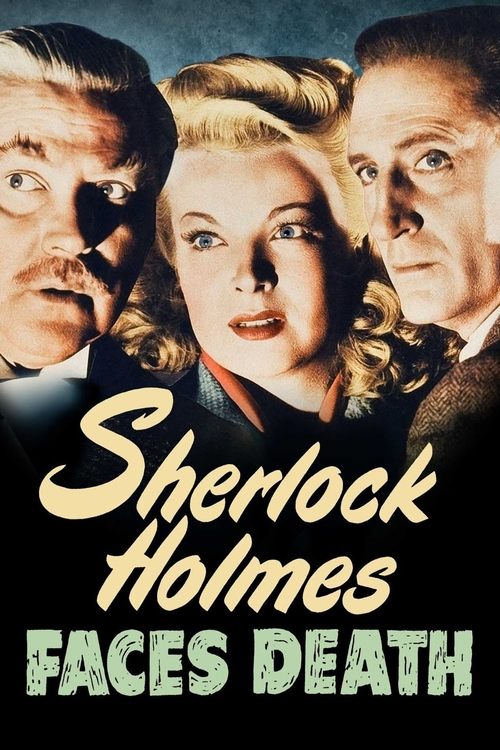
Sherlock Holmes Faces Death
1943
No user ratings available yet
Representation score: 2.7 out of 10
Representation Score
Minimal
1943
ApprovedDirector
Roy William Neill
Runtime
63 minutes
Average Rating
No ratings yetNew Showbiz Analysis
The film follows a traditional mystery format that supports the social and moral norms of the 1940s. While it includes a smart and capable female antagonist, she remains within the confines of the femme fatale archetype. The setting is a homogeneous, Anglo-centric environment that prioritizes the restoration of order through male authority, with little space for diverse viewpoints or critical examination of societal structures. Overall, the film reinforces existing norms rather than challenging them, aligning with the era's approach to detective storytelling.
Category Breakdown
The film does not include any LGBTQ+ characters or representations of non-straight relationships. It adheres strictly to the conventions of its time.
A strong female character challenges the protagonists but fits the traditional femme fatale archetype rather than subverting it.
The film features a predominantly white cast set in period-appropriate London. There is no indication of racial diversity or inclusion of various ethnic backgrounds.
The story upholds traditional Western values and moral clarity. It emphasizes restoring order through existing social structures without questioning them.
The film does not feature any meaningful representation of physical, neurodivergent, or mental health disabilities. Characters mainly serve functional roles in the mystery plot.
Present on Screen
Limited or Absent
Official Synopsis
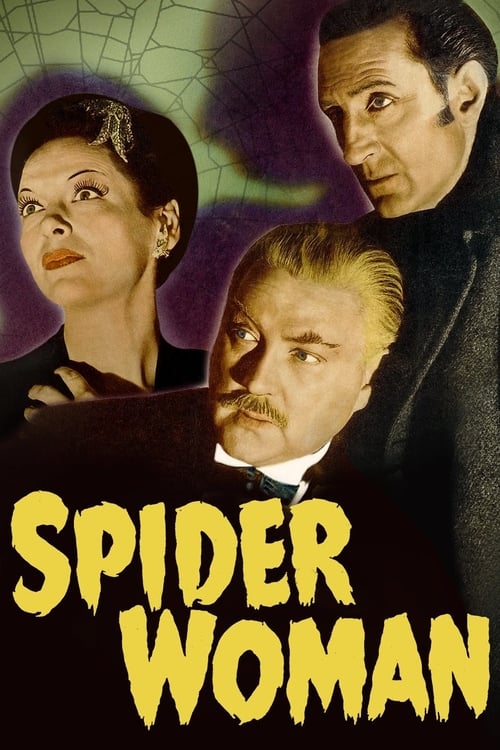
Sherlock Holmes investigates a series of so-called "pajama suicides". He knows the female villain behind them is as cunning as Moriarty and as venomous as a spider.
1943
1944
1946
1945
1945

1944

1982
1939
No reviews yet. Be the first to share your thoughts on this movie!
Use the rating form above to leave a star rating and optional review.