Serena
1962
No user ratings available yet
Representation score: 1.8 out of 10
Representation Score
Limited
1962
Not RatedDirector
Val Guest
Runtime
107 minutes
Average Rating
No ratings yetNew Showbiz Analysis
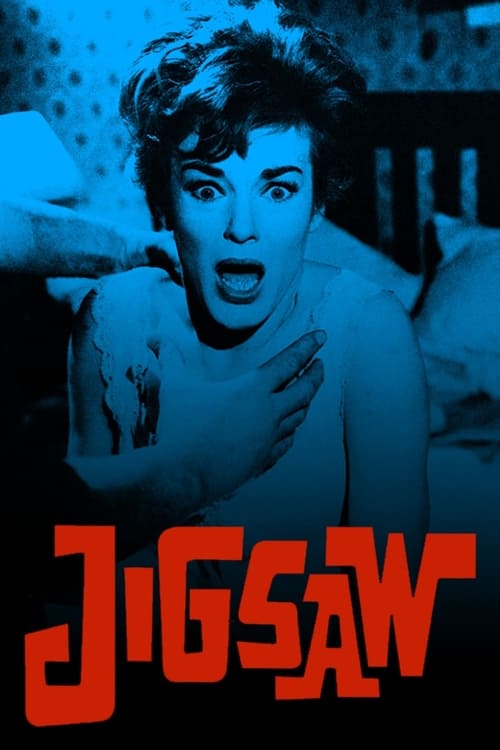
Jigsaw is a typical crime thriller from the 1960s that emphasizes procedural suspense over social commentary. The story structure relies on established hierarchies, giving primary control to male authority figures. Reflecting the demographic and social norms of early 1960s British cinema, the film maintains a homogeneous social environment and adheres to traditional gender roles, offering limited opportunities for characters with diverse identities. Ultimately, the film serves as a conventional mystery that upholds the effectiveness of the legal system without challenging conventional social or identity-based norms.
Category Breakdown
The film follows a traditional 1962 procedural format and does not include any characters with non-binary gender identities or challenge the assumption that everyone is straight.
Male characters like D.I. Fred Fellows take the lead in the story, while women are mostly portrayed as victims or passive subjects rather than active drivers of the plot.
The setting reflects the demographic uniformity of early 1960s British cinema, showing a predominantly Anglo-Saxon social environment in East Sussex.
The story centers on restoring order through Western legal institutions and upholds traditional social structures without addressing religious or anti-capitalist critiques.
The film does not focus on neurodivergence or physical disabilities, and characters with disabilities are not used as central narrative drivers.
Present on Screen
Limited or Absent
Official Synopsis
A woman is found murdered in a seaside house along the coast from Brighton in the county of East Sussex, England. Local D.I. Fred Fellows and D.S. Jim Wilks lead an investigation methodically following up leads and clues mostly in Brighton and Hove but also further afield. _-= Based on the novel "Sleep Long My Love" by Hillary Waugh and Inspired by the Brighton Trunk Murders of the late 1930's =-_
1962
1948
1957
1940
1965
1946
1948
1964
No reviews yet. Be the first to share your thoughts on this movie!
Use the rating form above to leave a star rating and optional review.