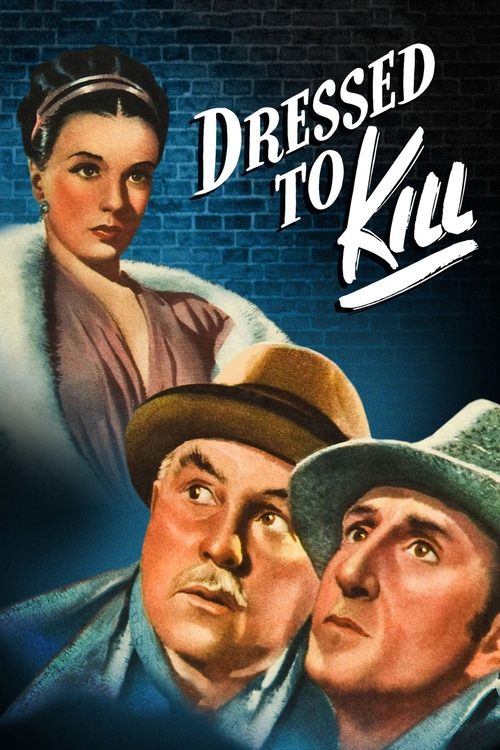
Dressed to Kill
1946
No user ratings available yet
Diversity score: 2.1 out of 10
1939
NRDirector
Norman Foster
Runtime
71 minutes
Average Rating
No ratings yetSynopsis
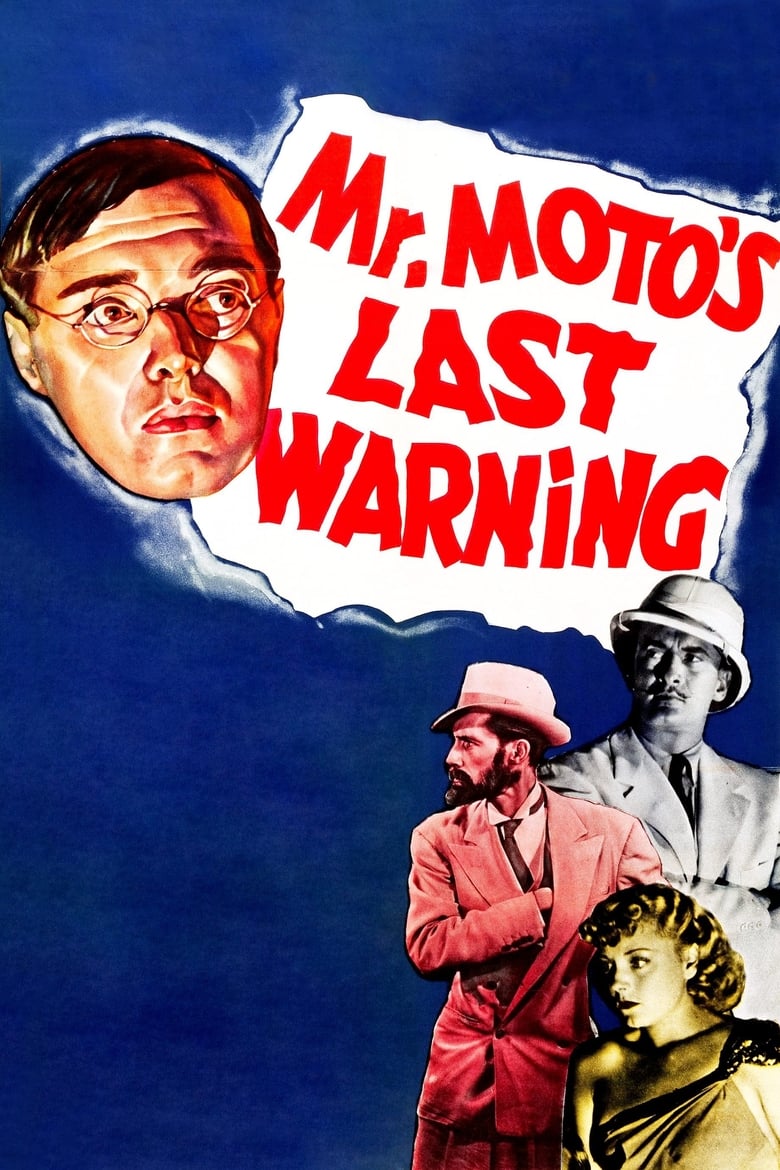
A Japanese man claiming to be Mr. Moto, of the International Police, is abducted and murdered soon after disembarking from a ship at Port Said in Egypt. The real Mr. Moto is already in Port Said, investigating a conspiracy against the British and French governments.
Overall Score
Minimal
Category Breakdown
LGBTQ+ Representation
The film contains no discernible presence of non-heteronormative identities. The social framework remains strictly aligned with the conventional romantic structures of the 1930s.
Gender Representation
Female characters primarily serve as catalysts for the male protagonist or as figures requiring protection. While present in high-society settings, they function as romantic interests rather than plot drivers.
Racial & Ethnic Diversity
The production relies on 'yellowface' casting, using a European actor to portray an East Asian protagonist. This reinforces a colonialist perspective and prevents authentic representation of non-Western identities.
Religious & Cultural Diversity
The narrative reinforces Western institutional interests, specifically protecting British and French governments. The setting upholds traditional capitalist hierarchies and class distinctions without critiquing Western hegemony.
Disability Representation
There is no evidence of characters with visible or invisible disabilities being portrayed with agency. The cast adheres to standard physical archetypes for 1930s adventure cinema.
Strengths
Areas for Improvement
AI Analysis
Mr. Moto's Last Warning is a product of its era, heavily reliant on colonial-era mystery tropes and Western-centric perspectives. The film fails to provide authentic representation, most notably through the use of yellowface casting for the lead role. The narrative structure prioritizes the protection of Western institutional authority and maintains rigid social hierarchies. This approach limits the agency of both non-Western characters and female figures, who are relegated to secondary or reactionary roles. Ultimately, the film functions as a reinforcement of the status quo, utilizing Orientalist tropes and traditional gender roles rather than offering nuanced or diverse characterizations.
1946
1943
1944

1946
1943
1940
1945
1937

1939

1938
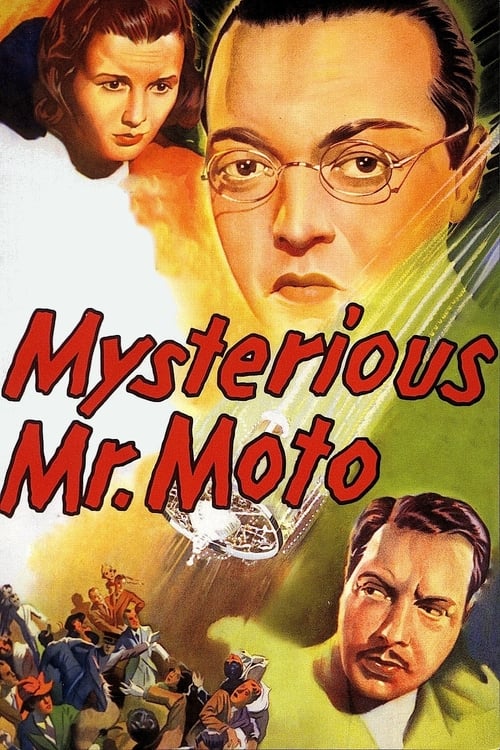
1938
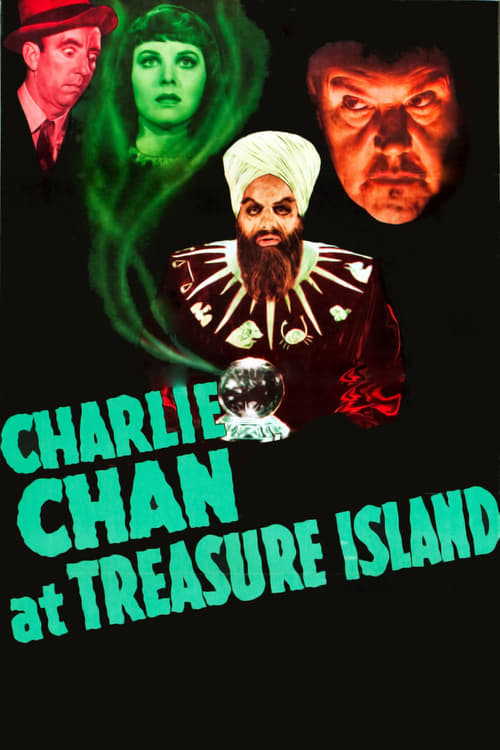
1939
No reviews yet. Be the first to share your thoughts on this movie!
Use the rating form above to leave a star rating and optional review.