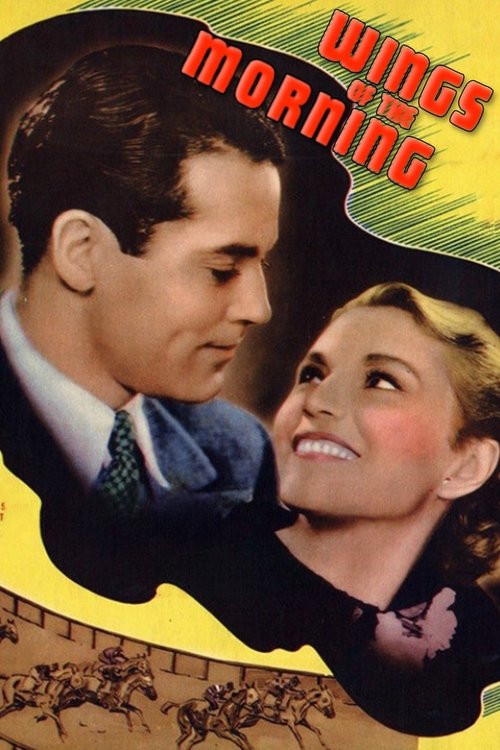
Wings of the Morning
1937
No user ratings available yet
Diversity score: 3.0 out of 10
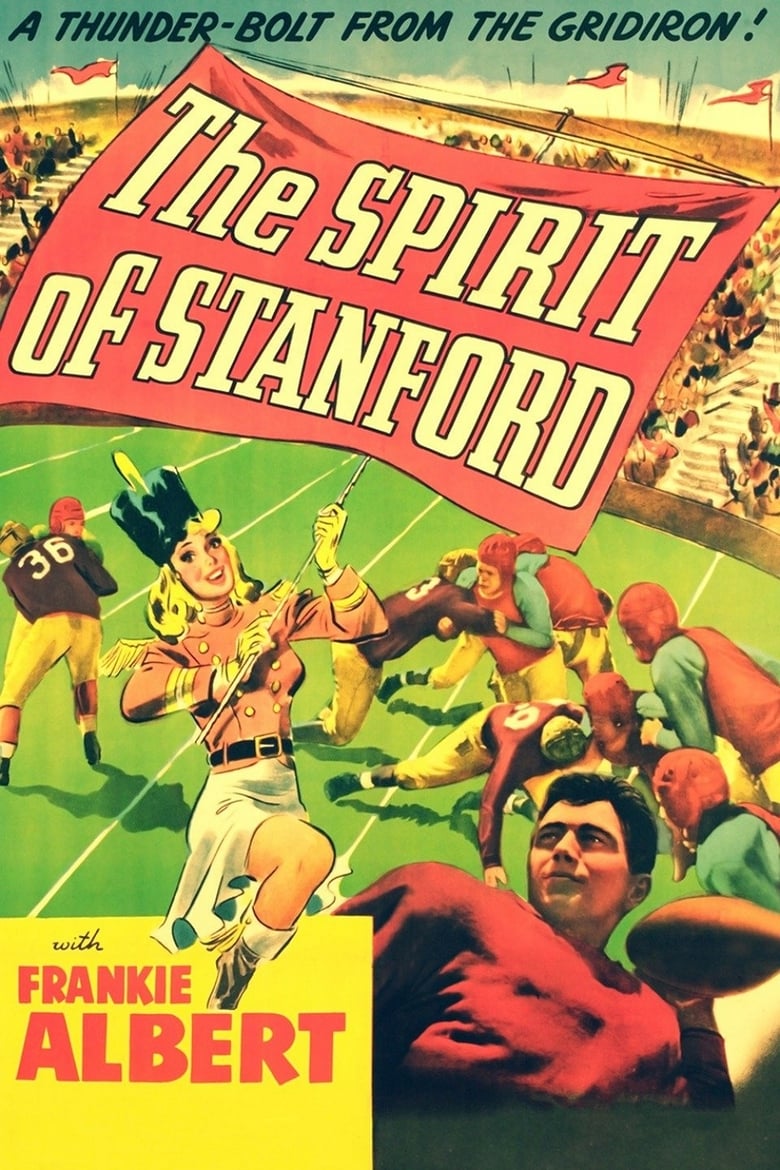
1942
ApprovedDirector
Charles Barton
Runtime
73 minutes
Average Rating
No ratings yetSynopsis
Columbia's Spirit of Stanford is built around the talents of a real-life college football star, in this instance all-American quarterback Frankie Albert.
Overall Score
Limited
Category Breakdown
LGBTQ+ Representation
The film lacks any evidence of non-cisnormative identities or same-sex narratives. It relies on the heteronormative archetypes typical of 1942 studio productions.
Gender Representation
The story centers on the athletic leadership of a male protagonist. Female characters likely serve as romantic motivators rather than independent agents of strength.
Racial & Ethnic Diversity
The casting reflects the demographic homogeneity of the early 1940s. The narrative focuses on a conventional, likely Anglo-Saxon depiction of mid-century collegiate life.
Religious & Cultural Diversity
The film promotes traditional Western ideals and patriotism through its 'All-American' hero. It celebrates established institutional hierarchies rather than critiquing systemic power.
Disability Representation
There is no information regarding the inclusion of characters with physical or neurodivergent disabilities.
Strengths
Areas for Improvement
AI Analysis
The Spirit of Stanford is a product of the Golden Age of Hollywood, designed to reinforce the social hierarchies of its time. By centering on an All-American football star, the film prioritizes traditional masculine archetypes and institutional stability. Its narrative structure follows the era's standard conventions, offering little room for diverse identities or systemic critique. The focus remains on individual merit within a highly homogeneous social framework. Ultimately, the film serves as a snapshot of 1940s American ideals, emphasizing patriotism and conventional gender roles over inclusive representation.
1937
1947
1951
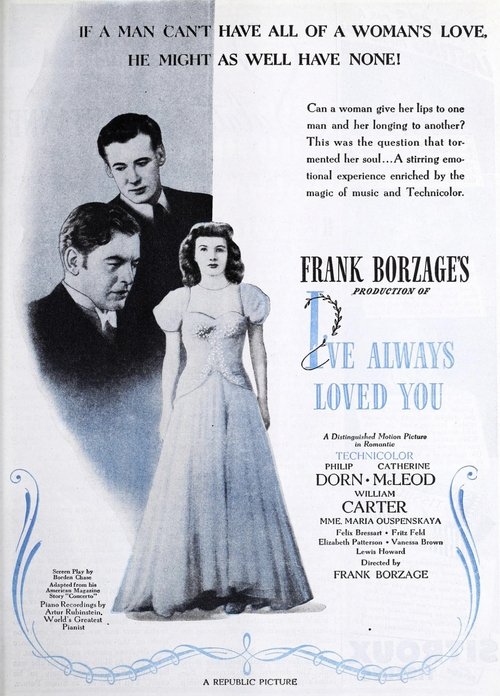
1946
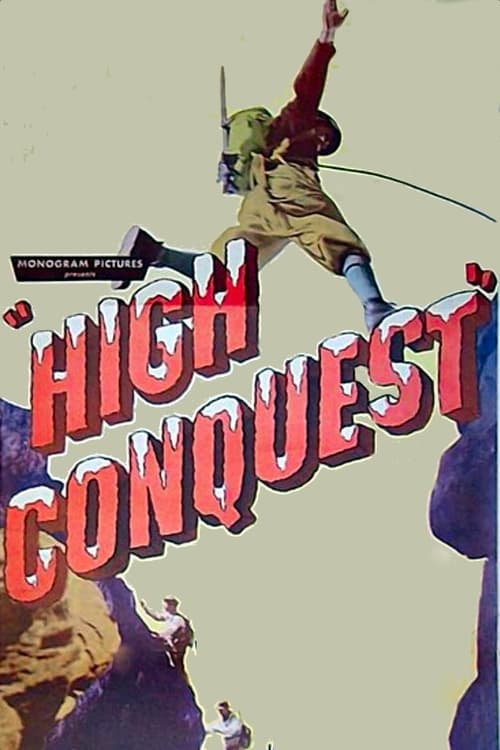
1947
1937
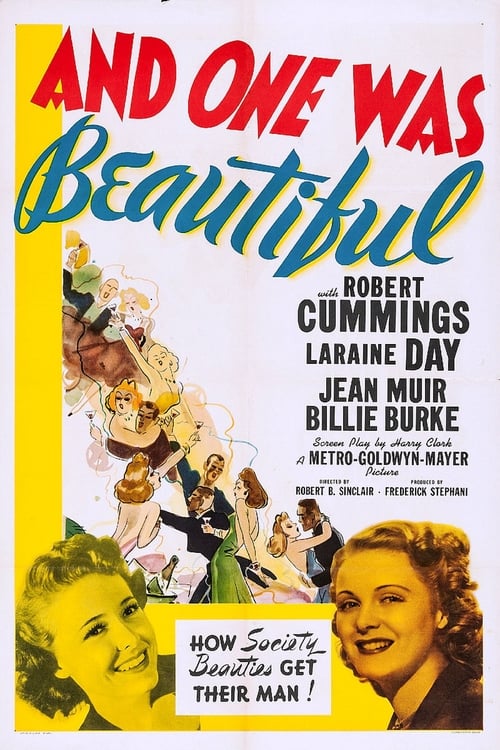
1940
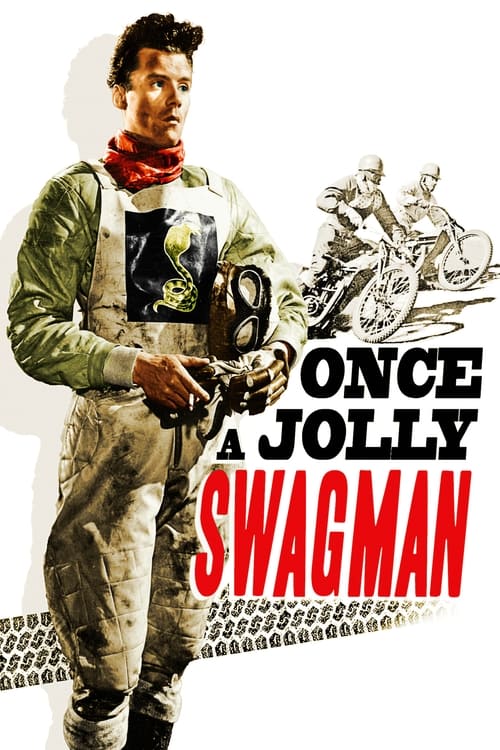
1949
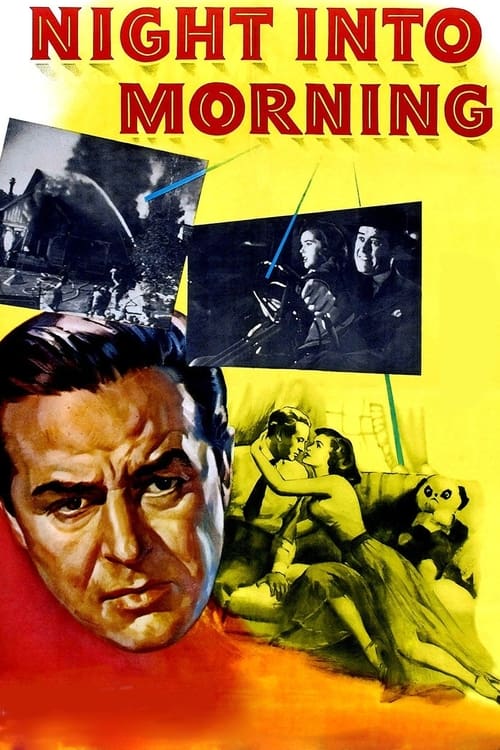
1951
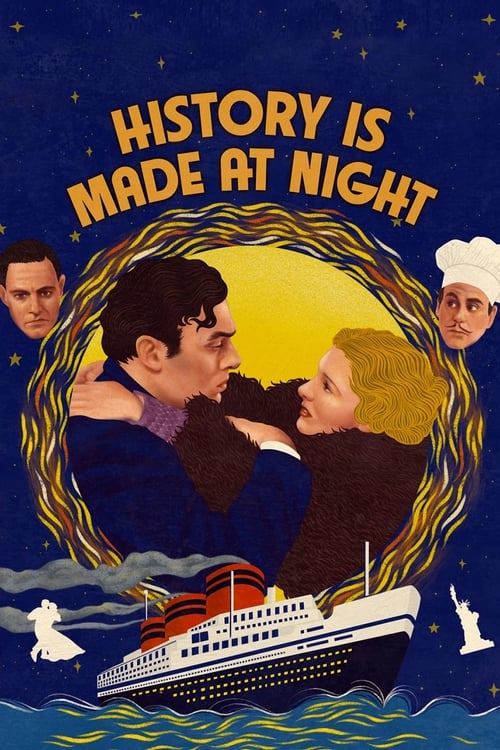
1937
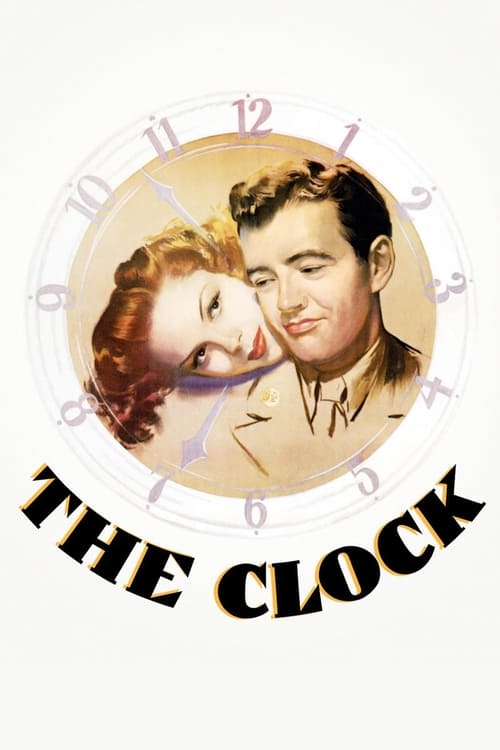
1945

2018
No reviews yet. Be the first to share your thoughts on this movie!
Use the rating form above to leave a star rating and optional review.