
King of the Lumberjacks
1940
No user ratings available yet
Representation score: 0.7 out of 10
Representation Score
Limited
1949
ApprovedDirector
Jack Lee
Runtime
100 minutes
Average Rating
No ratings yetNew Showbiz Analysis
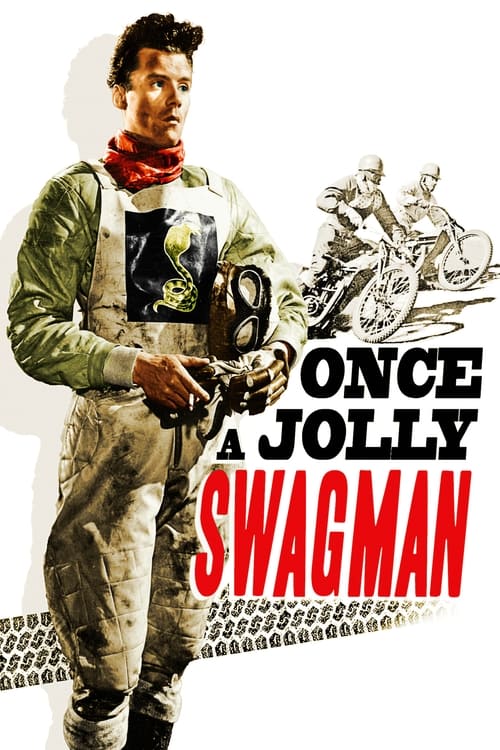
Once a Jolly Swagman is a product of its time, focusing on a single male protagonist's journey from factory work to motorcycle racing. The narrative structure prioritizes individualistic pursuit and traditional Western values over systemic critiques or social complexities. The film lacks markers of storytelling that reflects multiple aspects of identity. It relies on conventional character archetypes and standard social hierarchies that were the industry norm in 1949. Without evidence of diverse casting or queer representation, the film remains a straightforward mid-century romance-drama centered on personal passion.
Category Breakdown
The film does not include any representation of LGBTQ+ identities or same-sex relationships. It adheres to the heterosexual relationship norms typical of 1949 cinema.
The story centers around a male protagonist's personal journey and career change. It follows a traditional path of male-driven ambition without challenging established gender roles.
There is no indication of a diverse cast or actors from non-Anglo-Saxon backgrounds. The film likely sticks to the homogeneous casting practices common in mid-century films.
The story emphasizes Western themes of individual achievement and personal aspirations. It uses the classic 'pursuit of a dream' theme common in mid-century dramas.
No information is available regarding the inclusion or portrayal of characters with physical or neurodevelopmental disabilities.
Present on Screen
Limited or Absent
Official Synopsis
A factory worker quits his job to become a motorcycle racer.
1940
1963
1941
1963
1967
1960
1960
1956
No reviews yet. Be the first to share your thoughts on this movie!
Use the rating form above to leave a star rating and optional review.