
The Country Beyond
1936
No user ratings available yet
Diversity score: 2.3 out of 10
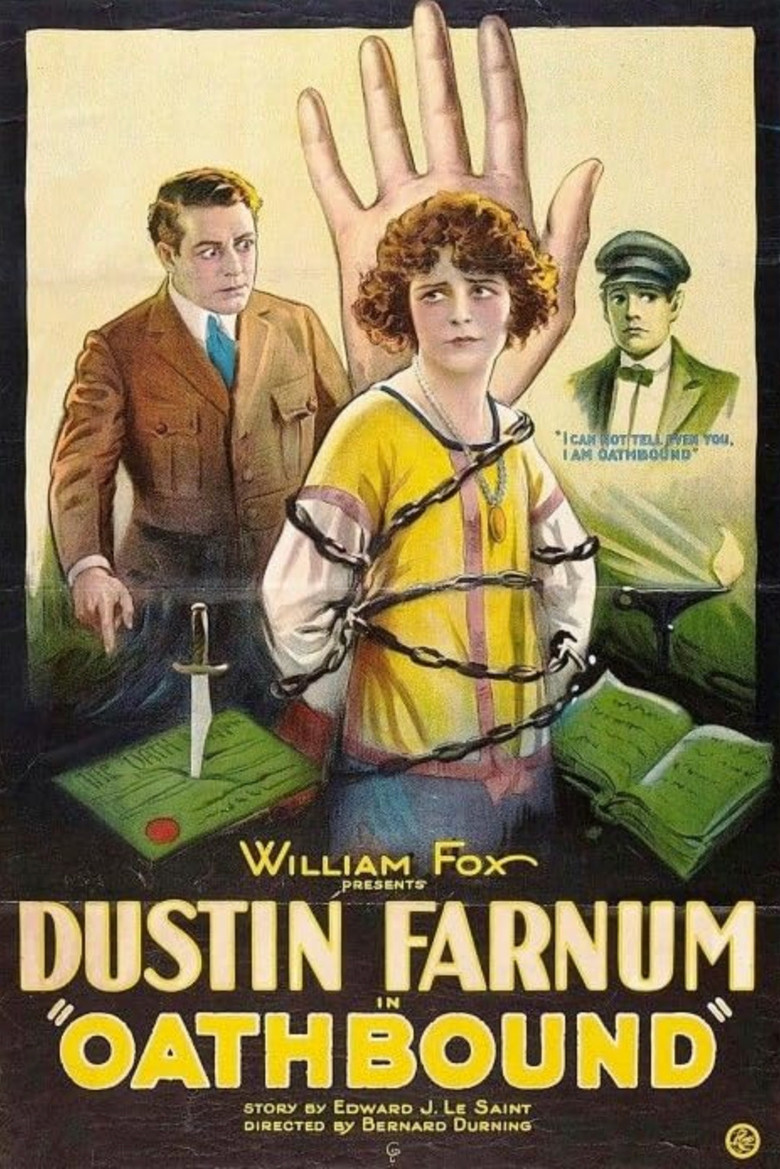
1922
PassedDirector
Bernard J. Durning
Runtime
50 minutes
Average Rating
No ratings yetSynopsis
Wealthy shipowner Lawrence Bradbury is determined to catch silk thieves who operate by means of his ships. His brother Jim, the ringleader, hoodwinks Lawrence into thinking he is a revenue officer. The skipper and a friend are suspected, but the friend proves to be the revenue man and the crooked brother is caught.
Overall Score
Limited
Category Breakdown
LGBTQ+ Representation
The film lacks any evidence of non-cisnormative identities or same-sex intimacy. The story follows a heteronormative framework typical of the era's cinematic standards.
Gender Representation
Agency is almost exclusively held by male characters, specifically the brothers Lawrence and Jim. The narrative focuses on male-driven conflicts regarding maritime commerce and deception.
Racial & Ethnic Diversity
The plot centers on a homogeneous social group within a Western maritime setting. There is no indication of a multi-ethnic cast or non-Anglo-Saxon characters.
Religious & Cultural Diversity
The story reinforces traditional moral frameworks and the sanctity of the family unit. It prioritizes the restoration of order and the protection of property through legal structures.
Disability Representation
There is no evidence of characters with physical or neurodivergent disabilities within the narrative.
Strengths
Areas for Improvement
AI Analysis
Oath-Bound is a traditional silent-era melodrama that prioritizes established social hierarchies and conventional moral resolutions. The plot is driven by a central conflict between two brothers, centering the narrative on male agency and familial betrayal. The film adheres to the standard production norms of 1922, focusing on a homogeneous Western maritime context. It lacks representation of diverse racial, ethnic, or LGBTQ+ identities, instead reinforcing the period's conservative social values. Ultimately, the film functions as a vehicle for validating existing legal and familial institutions, offering a narrow view of social interaction and identity.
1936

1928
1931
1927
1926
1923
1923
1931
1924
1912

1926

1936
No reviews yet. Be the first to share your thoughts on this movie!
Use the rating form above to leave a star rating and optional review.