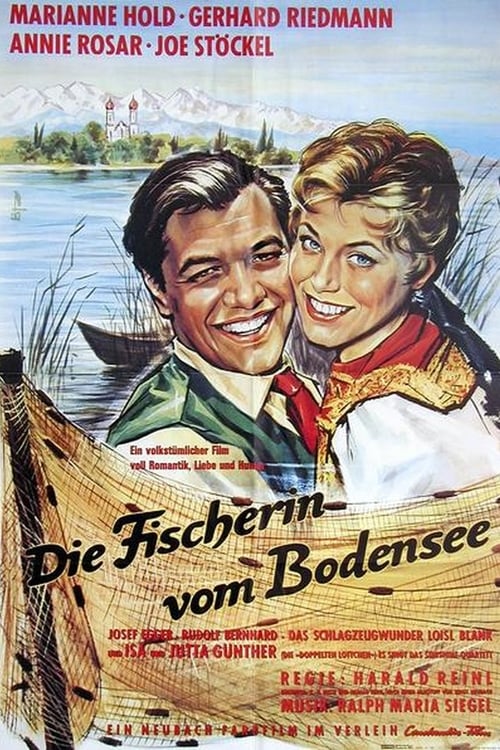
Die Fischerin vom Bodensee
1956
No user ratings available yet
Diversity score: 2.5 out of 10
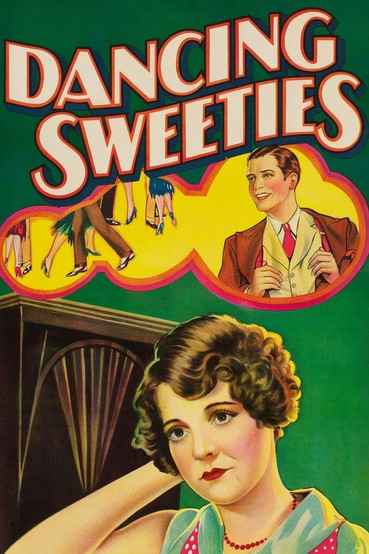
1930
PassedDirector
Ray Enright
Runtime
62 minutes
Average Rating
No ratings yetSynopsis
Bill is a hot shot dancer who partners with Jazzbo, until he sees Molly at the dance. He enters the Waltz with Molly and wins first prize - and they wind up being married that same night. Now they are free of their parents nagging and their own bosses. 24 hours - no dancing as in-laws are visiting. 24 days - the Apartment is finished so off to the Hoffman's Parisian Dance Palace. Molly can only dance the Waltz and not the hot new jazz dance so she leaves and Bill follows. They are both unhappy, Bill has two left feet when it comes to romance.
Overall Score
Limited
Category Breakdown
LGBTQ+ Representation
The film lacks any queer narratives or non-heteronormative identities. The central romantic arc is strictly heteronormative, focusing entirely on the partnership between Bill and Molly.
Gender Representation
Gender roles follow traditional 1930s patterns. While Molly's dancing style drives conflict, her agency is largely tied to her compatibility with Bill within a domestic framework.
Racial & Ethnic Diversity
The narrative shows no evidence of racial or ethnic diversity. It focuses on a standard romantic pairing that reflects the homogeneous casting norms of the early sound era.
Religious & Cultural Diversity
The story reinforces traditional Western social institutions, specifically the rapid establishment of the nuclear family. It treats marriage and in-laws as standard social hurdles.
Disability Representation
There is no information regarding characters with visible or invisible disabilities within the narrative.
Strengths
Areas for Improvement
AI Analysis
Dancing Sweeties is a quintessential example of early 1930s studio-era storytelling. It prioritizes escapism and conventional romantic resolutions over any meaningful social critique or diverse representation. The plot relies heavily on established social hierarchies and traditional domestic structures. The narrative arc moves quickly from professional competition to marriage, reinforcing the era's preference for structured, optimistic social outcomes. Ultimately, the film functions as a baseline period piece. It lacks the intentionality required to disrupt the status quo, instead leaning into the homogeneous norms of its time.
1956

1933

1936
1911
1935

1934
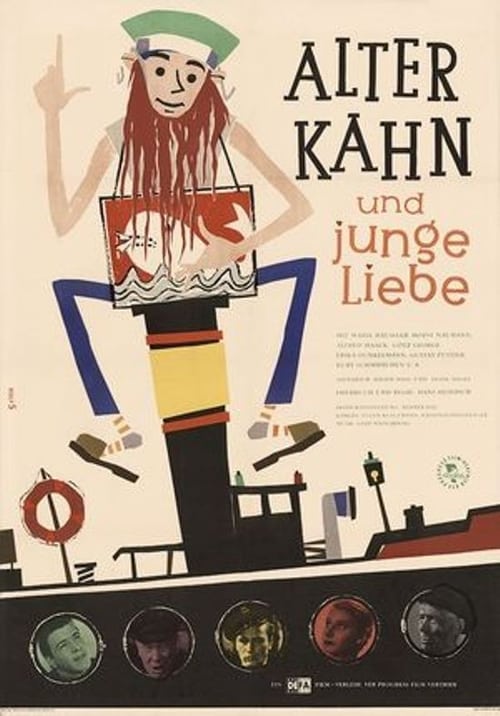
1957
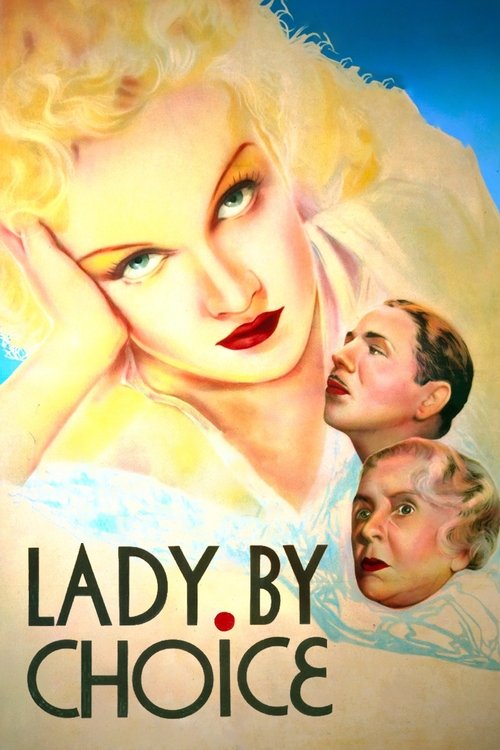
1934
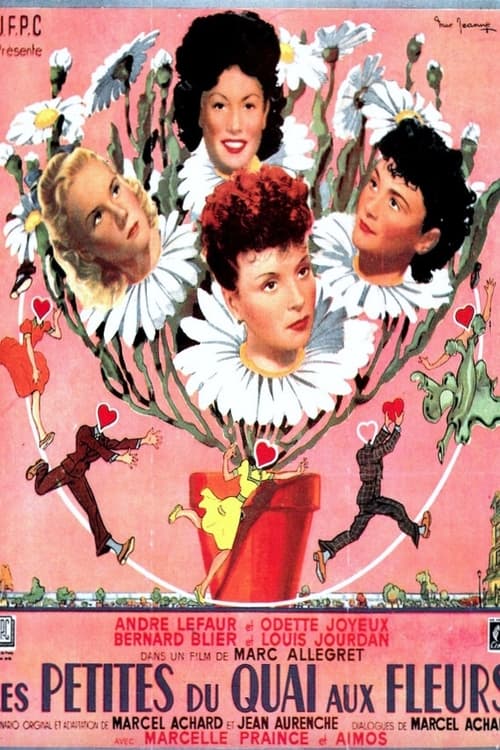
1944

1939
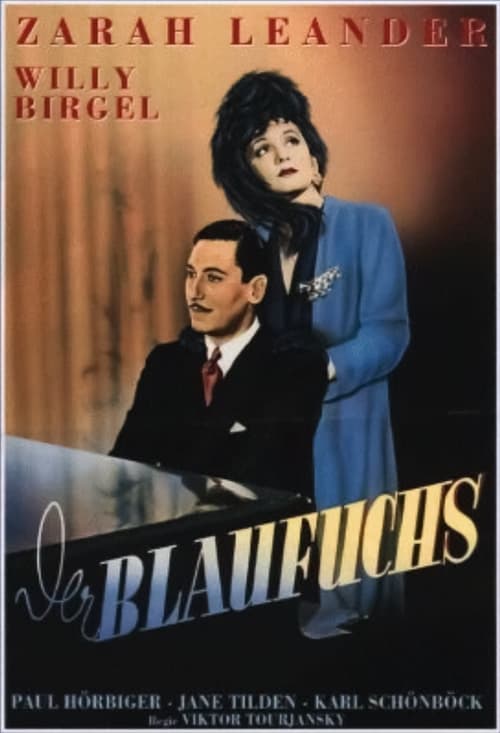
1938

2015
No reviews yet. Be the first to share your thoughts on this movie!
Use the rating form above to leave a star rating and optional review.