Man Wanted
1932
No user ratings available yet
Representation score: 2.4 out of 10
Representation Score
Minimal
1939
ApprovedDirector
Charles Reisner
Runtime
91 minutes
Average Rating
No ratings yetNew Showbiz Analysis
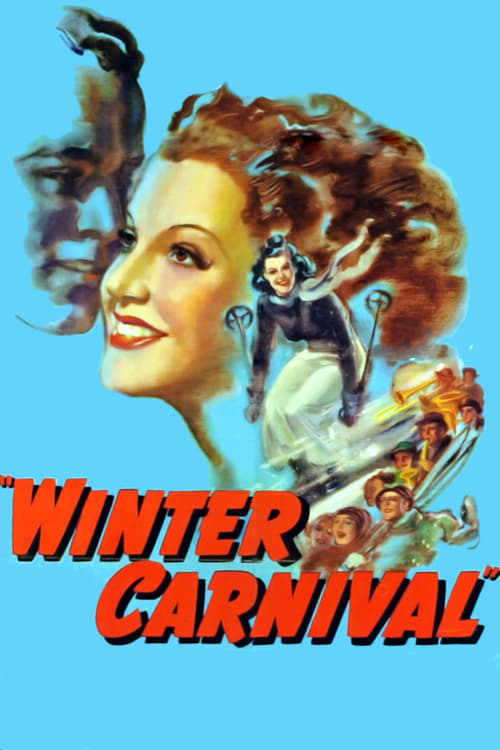
Winter Carnival is a product of the 1939 studio system, functioning as a traditional period piece. It adheres to the social and demographic constraints of its era, prioritizing escapist romance over identity exploration. The film lacks intentionality in disrupting conventional power dynamics. Instead, it reinforces established cultural norms, focusing on traditional courtship and collegiate social rituals. Overall, the production reflects the demographic homogeneity and straight-centered standards typical of late 1930s Hollywood cinema.
Category Breakdown
The film operates within a strictly straight-centered framework. There is no evidence of non-assuming gender matches what was assigned at birth identities or same-sex intimacy.
The story centers on a glamour girl and a professor, likely relying on established gender clichés. While the protagonist is a divorcee, her role remains tied to romantic desirability.
Set at Dartmouth College, the film reflects the demographic homogeneity of the late 1930s. It appears to prioritize white, Anglo-Saxon protagonists without evidence of diverse casting.
The narrative celebrates collegiate traditions and social cohesion through a Winter Carnival setting. It reinforces the stability of traditional social institutions and romantic ideals.
There is no mention of characters with visible or invisible disabilities. Disability is not a component of this narrative.
Present on Screen
Limited or Absent
Official Synopsis
A divorced glamour girl keeps warm with a professor amid sports and romance at Dartmouth College's Winter Carnival.
1932
1927
1935
1940
1932
1934
1938
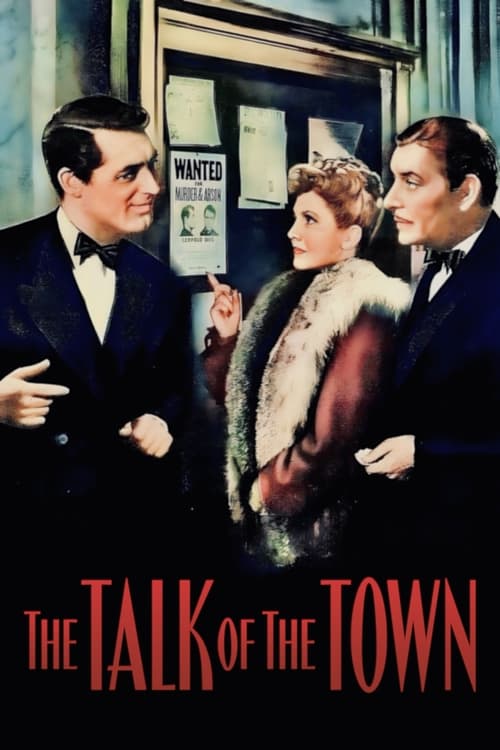
1942
No reviews yet. Be the first to share your thoughts on this movie!
Use the rating form above to leave a star rating and optional review.