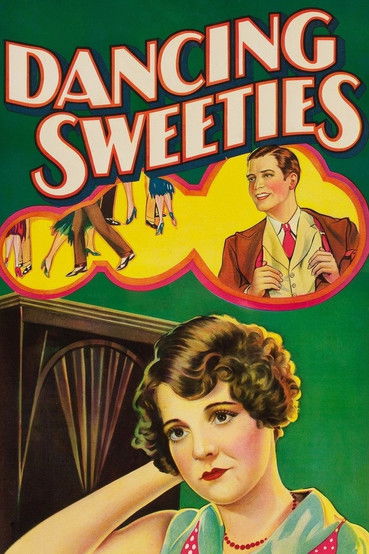
Dancing Sweeties
1930
No user ratings available yet
Diversity score: 2.2 out of 10
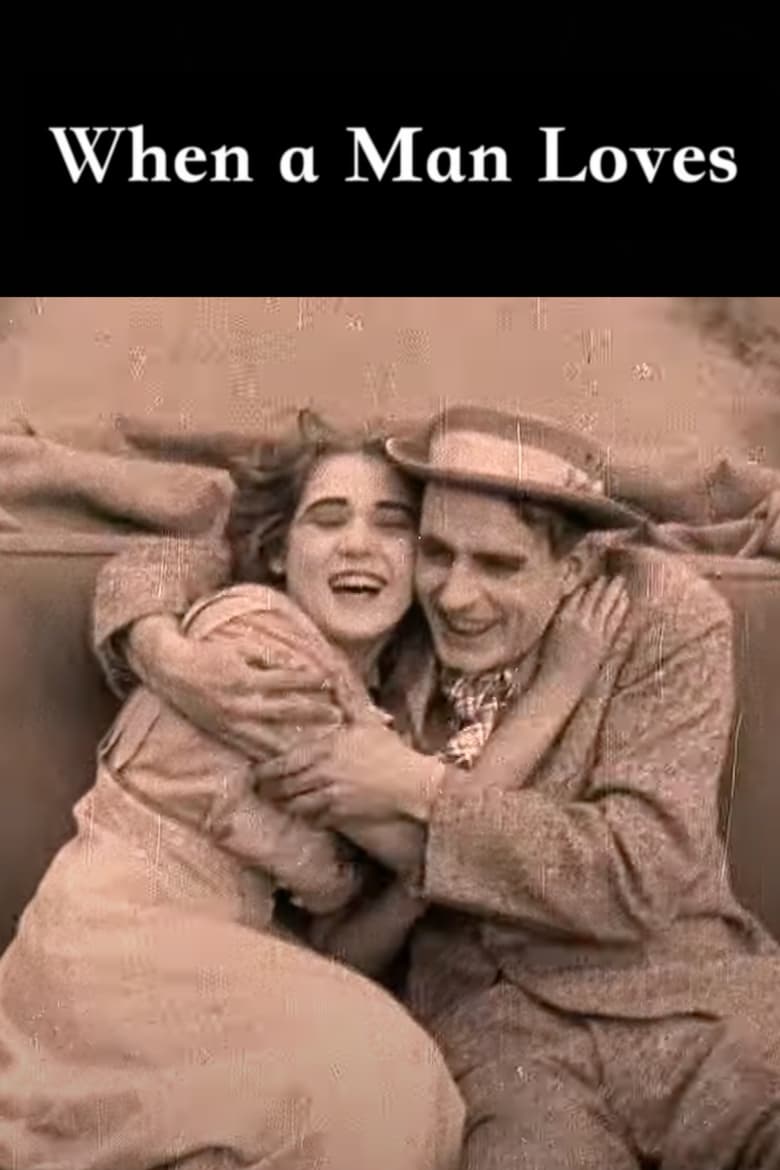
1911
Director
D.W. Griffith
Runtime
15 minutes
Average Rating
No ratings yetSynopsis
Mr. Bach, a wealthy man, visits the scenes of his boyhood days in his auto and meets farmer Brown, his boyhood friend. Brown is the father of a very pretty daughter named Tessie. Bach becomes deeply smitten with the artless little country lass, and secretly hopes to win her. Tessie, however, has a host of admirers in the little village, the favored one being John Watson.
Overall Score
Limited
Category Breakdown
LGBTQ+ Representation
The film adheres to conventional romantic structures of the early 20th century. It lacks any depiction of non-cisnormative identities or critiques of heteronormativity.
Gender Representation
Tessie is framed through the 'artless little country lass' trope. Her role is primarily that of an object of desire, possessing limited agency compared to the male protagonists.
Racial & Ethnic Diversity
The narrative depicts a homogeneous social environment focused on class distinctions. There is no indication of racial blending or diverse ethnic perspectives within the village setting.
Religious & Cultural Diversity
The story reinforces traditional Western social structures and class stability. It emphasizes standard romantic ideals rather than deconstructing established institutions or social hierarchies.
Disability Representation
The film provides no information or depiction regarding physical or neurodivergent disabilities.
Strengths
Areas for Improvement
AI Analysis
D.W. Griffith’s work in this period relies heavily on established social archetypes and conventional melodrama. The narrative architecture prioritizes classical romantic tropes over the subversion of systemic norms, reinforcing the social hierarchies of the era. The film centers on a traditional romantic pursuit between a wealthy man and a rural woman. This focus results in a narrow scope that lacks intersectionality or diverse identity representation. Ultimately, the film functions as a period piece that upholds the status quo of its time, offering little in the way of modern social complexity or diverse perspectives.
1930
1934
1932
1932

1998

1936
1935

1934
1956

1933
1938
1957
No reviews yet. Be the first to share your thoughts on this movie!
Use the rating form above to leave a star rating and optional review.