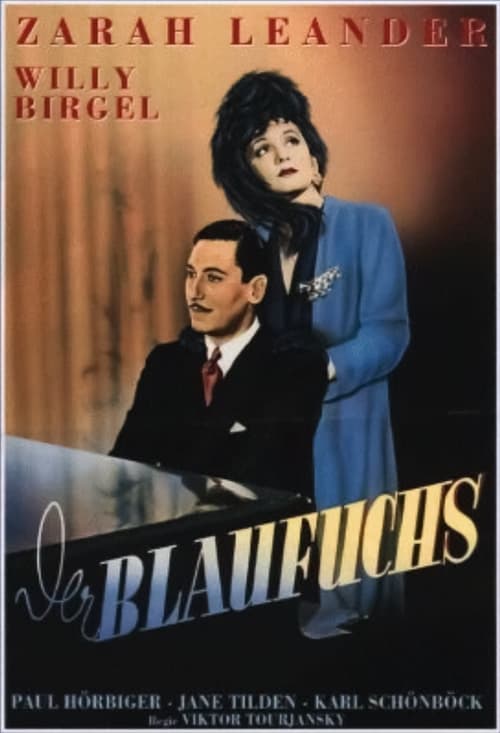
Der Blaufuchs
1938
No user ratings available yet
Diversity score: 2.7 out of 10

1934
PassedDirector
Ralph Murphy
Runtime
71 minutes
Average Rating
No ratings yetSynopsis
"Duke" Gordon (Robert Armstrong), a circus lion-tamer, tries to tames his wife, Laura (Sally Eilers), just as he does his lions. But she is a one-man woman, married to the wrong man, and refuses to cheat on her cheating husband even though her happiness depends on doing so.
Overall Score
Limited
Category Breakdown
LGBTQ+ Representation
The film focuses on a heterosexual marital conflict. There is no evidence of queer subtext or non-cisnormative identities within the narrative.
Gender Representation
The story centers on a power struggle where the male lead attempts to 'tame' his wife. While the female lead shows moral agency, the dynamic reinforces traditional gender hierarchies.
Racial & Ethnic Diversity
The production lacks evidence of a diverse cast. It appears to follow the homogeneous casting standards typical of 1934 Western cinema.
Religious & Cultural Diversity
The narrative explores themes of marital fidelity and personal integrity. It operates within the traditional moral frameworks of the era without challenging Western domestic institutions.
Disability Representation
There is no indication of characters with physical or neurodivergent disabilities in this production.
Strengths
Areas for Improvement
AI Analysis
She Made Her Bed is a product of its time, functioning as a standard genre piece that reinforces the social and domestic hierarchies of the early 1930s. The narrative relies on conventional tropes, particularly regarding the power dynamics between men and women. The film lacks intersectional complexity, offering a homogeneous view of society that excludes diverse racial, ethnic, or LGBTQ+ perspectives. It focuses strictly on a traditional Western domestic drama. Ultimately, the film serves as a window into the era's standard filmmaking, prioritizing traditional morality and heteronormative structures over progressive or diverse storytelling.
1938

1933

1932
1934
1934
No reviews yet. Be the first to share your thoughts on this movie!
Use the rating form above to leave a star rating and optional review.